
The transformation of manufacturing through digital technologies represents one of the most significant industrial shifts since the steam engine revolutionized production centuries ago. This evolution touches every aspect of how we create products, from the smallest components to the most complex assemblies, fundamentally altering the relationship between human workers, machines, and the manufacturing process itself.
Smart factories emerge as sophisticated ecosystems where traditional manufacturing meets cutting-edge technology, creating environments that can think, adapt, and optimize themselves in real-time. These facilities represent more than just automated production lines; they embody a complete reimagining of how manufacturing can operate when every component, process, and decision is interconnected through intelligent systems.
Throughout this exploration, you'll discover how digitalized production systems function, the technologies that make smart factories possible, and the profound implications these changes hold for workers, businesses, and society. We'll examine real-world applications, address common challenges, and provide insights into what the future holds for manufacturing in an increasingly connected world.
Understanding Smart Factory Fundamentals
Smart factories represent a paradigm shift from traditional manufacturing approaches to highly integrated, data-driven production environments. These facilities leverage interconnected technologies to create self-optimizing systems that can adapt to changing conditions, predict maintenance needs, and continuously improve their own performance.
The foundation of smart factory operations rests on the seamless integration of physical and digital systems. Every machine, sensor, and process generates data that flows through sophisticated networks, creating a comprehensive digital twin of the entire production environment. This digital representation allows for real-time monitoring, analysis, and optimization of all manufacturing activities.
Connectivity forms the backbone of smart factory functionality, enabling communication between machines, systems, and human operators. This interconnectedness facilitates coordination across different production stages, ensuring that each component of the manufacturing process operates in harmony with others to achieve optimal efficiency and quality outcomes.
Core Technologies Driving Smart Manufacturing
The technological ecosystem supporting smart factories encompasses several key innovations working in concert. Internet of Things (IoT) sensors collect vast amounts of data from every aspect of the production process, monitoring everything from temperature and vibration to product quality and machine performance.
Artificial intelligence and machine learning algorithms process this continuous stream of information, identifying patterns, predicting potential issues, and recommending optimizations. These systems learn from historical data and current conditions to make increasingly sophisticated decisions about production scheduling, quality control, and resource allocation.
Cloud computing platforms provide the computational power and storage capacity necessary to handle the enormous volumes of data generated by smart factory operations. These platforms enable real-time analytics, facilitate collaboration between different locations, and support the scalability required for growing manufacturing operations.
"The convergence of physical and digital systems creates unprecedented opportunities for manufacturing optimization, transforming how we think about production efficiency and quality control."
Digital Twin Technology and Virtual Manufacturing
Digital twin technology creates virtual replicas of physical manufacturing systems, enabling unprecedented levels of insight and control over production processes. These digital representations mirror real-world operations in real-time, providing manufacturers with powerful tools for simulation, analysis, and optimization.
The creation of digital twins begins with comprehensive data collection from every aspect of the physical manufacturing environment. Sensors capture information about machine performance, environmental conditions, product quality, and workflow patterns, feeding this data into sophisticated modeling systems that maintain accurate virtual representations.
Benefits of Digital Twin Implementation
Digital twins offer manufacturers the ability to test changes and optimizations in virtual environments before implementing them in actual production. This capability significantly reduces risks associated with process modifications while enabling continuous improvement initiatives that might otherwise be too costly or disruptive to attempt.
Predictive maintenance becomes highly sophisticated when supported by digital twin technology. Virtual models can simulate wear patterns, predict component failures, and recommend optimal maintenance schedules based on actual usage data rather than predetermined time intervals.
Quality control processes benefit enormously from digital twin implementation. Virtual models can identify potential quality issues before they manifest in physical products, enabling proactive adjustments that prevent defects and reduce waste throughout the production process.
| Digital Twin Application | Primary Benefits | Implementation Complexity |
|---|---|---|
| Production Line Optimization | Increased efficiency, reduced downtime | Medium |
| Predictive Maintenance | Lower maintenance costs, fewer failures | High |
| Quality Control | Reduced defects, improved consistency | Medium |
| Process Simulation | Risk reduction, faster innovation | High |
| Energy Management | Lower costs, improved sustainability | Low |
Artificial Intelligence in Manufacturing Operations
Artificial intelligence transforms manufacturing by enabling systems to learn, adapt, and make autonomous decisions based on complex data analysis. These capabilities extend far beyond simple automation, creating intelligent manufacturing environments that continuously improve their own performance.
Machine learning algorithms analyze production data to identify optimization opportunities that human operators might miss. These systems can detect subtle patterns in quality variations, equipment performance, or workflow efficiency, suggesting improvements that enhance overall manufacturing effectiveness.
Computer vision systems powered by AI enable sophisticated quality inspection capabilities. These systems can identify defects, measure tolerances, and assess product quality with greater speed and accuracy than traditional inspection methods, while maintaining consistent standards across all production runs.
Autonomous Decision-Making Systems
Smart factories increasingly rely on autonomous systems that can make real-time decisions about production scheduling, resource allocation, and quality control. These systems process multiple variables simultaneously, considering factors like demand fluctuations, equipment availability, and material supplies to optimize production outcomes.
Predictive analytics powered by AI help manufacturers anticipate market demands, equipment failures, and supply chain disruptions. This foresight enables proactive responses that minimize production interruptions and maintain optimal inventory levels.
Natural language processing capabilities allow workers to interact with manufacturing systems using conversational interfaces. This technology makes complex systems more accessible to operators while enabling more intuitive control and monitoring of production processes.
"Intelligent manufacturing systems learn from every operation, continuously refining their decision-making capabilities to achieve higher levels of efficiency and quality."
Internet of Things (IoT) Integration
The Internet of Things creates the sensory network that enables smart factories to perceive and respond to their environment. IoT devices collect data from every aspect of manufacturing operations, creating comprehensive awareness of production conditions and performance metrics.
Sensor networks monitor equipment health, environmental conditions, and product quality throughout the manufacturing process. These devices generate continuous streams of data that feed into analytics systems, enabling real-time optimization and predictive maintenance capabilities.
Edge computing processes IoT data locally, reducing latency and enabling immediate responses to changing conditions. This distributed processing approach ensures that critical decisions can be made quickly without relying on distant cloud resources.
Connectivity and Communication Protocols
Smart factories require robust communication infrastructure to support the massive data flows generated by IoT devices. Advanced networking technologies ensure reliable, high-speed connections between sensors, machines, and control systems throughout the manufacturing environment.
Wireless communication protocols enable flexible sensor deployment and easy reconfiguration of monitoring systems as production requirements change. These technologies support the dynamic nature of smart manufacturing while maintaining reliable data transmission.
Security protocols protect IoT communications from cyber threats while ensuring data integrity throughout the manufacturing network. These measures become increasingly important as factories become more connected and potentially vulnerable to external attacks.
Automation and Robotics Evolution
Modern manufacturing robotics extends far beyond traditional industrial automation, incorporating advanced sensors, AI capabilities, and collaborative features that enable more flexible and intelligent production systems. These robots work alongside human operators, adapting to changing requirements and learning from their experiences.
Collaborative robots (cobots) represent a significant advancement in manufacturing automation. These systems can safely work in close proximity to human operators, combining the precision and consistency of robotic systems with the creativity and problem-solving abilities of human workers.
Adaptive robotics systems adjust their behavior based on real-time feedback from sensors and AI analysis. These robots can handle variations in materials, adjust to different product specifications, and optimize their movements for maximum efficiency while maintaining safety standards.
Flexible Manufacturing Systems
Smart factories implement flexible automation systems that can quickly reconfigure for different products or production volumes. This adaptability enables manufacturers to respond rapidly to market changes while maintaining efficient operations across diverse product lines.
Modular robotic systems allow manufacturers to easily modify production capabilities by adding, removing, or reconfiguring robotic components. This flexibility supports lean manufacturing principles while enabling rapid adaptation to new production requirements.
Advanced programming interfaces make robotic systems more accessible to operators without extensive technical training. These user-friendly systems enable faster setup, easier maintenance, and more efficient utilization of robotic capabilities throughout the manufacturing environment.
| Automation Technology | Flexibility Level | Human Interaction | Implementation Cost |
|---|---|---|---|
| Traditional Robots | Low | Minimal | Medium |
| Collaborative Robots | Medium | High | Medium |
| Adaptive Systems | High | Variable | High |
| Modular Platforms | Very High | Customizable | Very High |
Data Analytics and Real-Time Monitoring
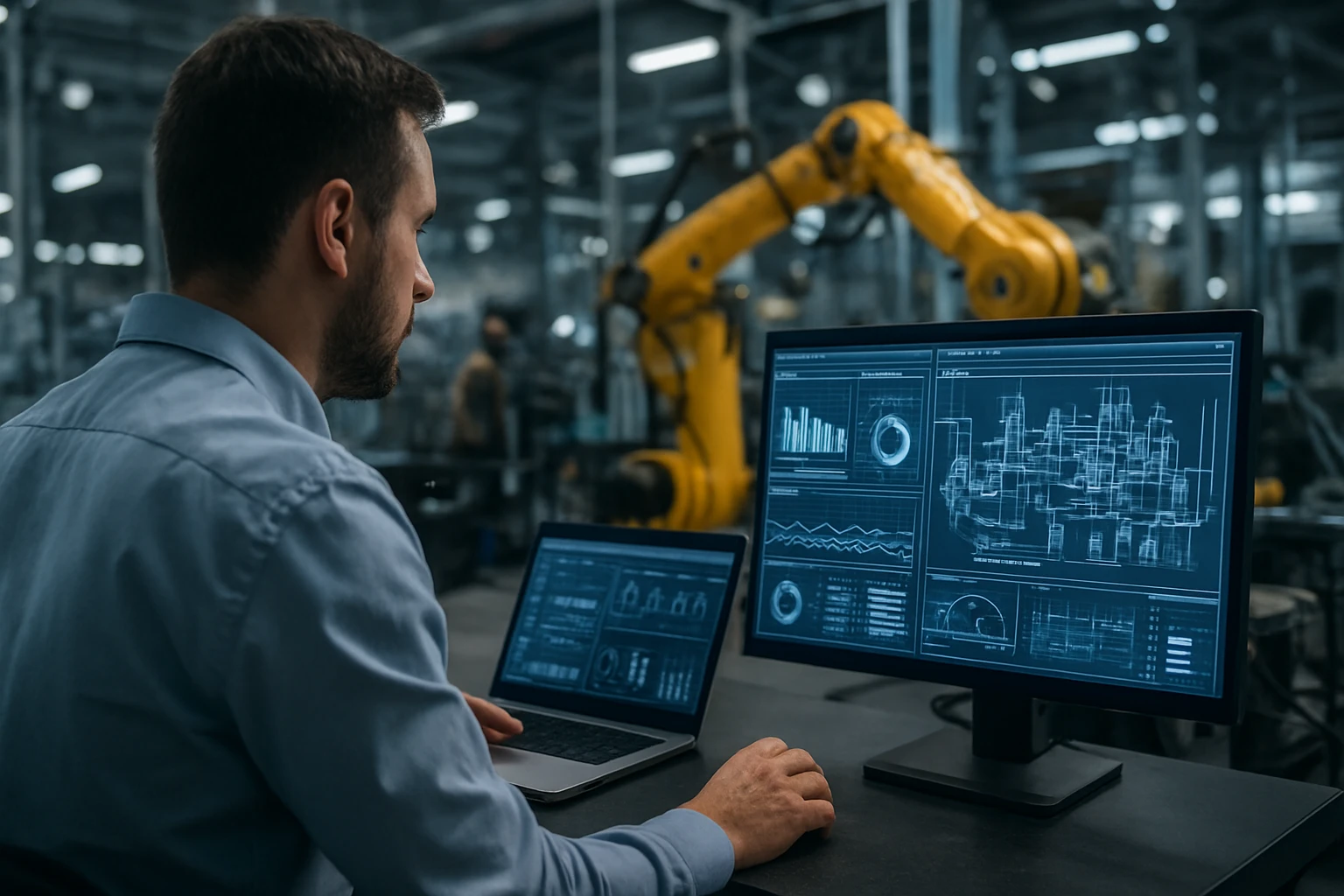
Smart factories generate enormous volumes of data that require sophisticated analytics capabilities to extract meaningful insights and drive operational improvements. Real-time monitoring systems process this information continuously, enabling immediate responses to changing conditions and emerging opportunities.
Advanced analytics platforms combine data from multiple sources throughout the manufacturing environment, creating comprehensive views of production performance, quality metrics, and operational efficiency. These systems identify trends, correlations, and anomalies that inform decision-making at every level of the organization.
Predictive analytics capabilities enable manufacturers to anticipate future conditions and proactively adjust operations accordingly. These systems analyze historical patterns, current trends, and external factors to forecast demand, equipment performance, and potential disruptions.
Performance Optimization Through Data
Real-time optimization systems continuously adjust production parameters based on current conditions and performance data. These systems can modify machine settings, adjust workflow patterns, and reallocate resources to maintain optimal efficiency throughout changing circumstances.
Quality analytics systems monitor product characteristics and production processes to identify potential issues before they result in defects. These capabilities enable proactive quality control that reduces waste and ensures consistent product standards.
Energy management systems analyze power consumption patterns and optimize energy usage throughout the manufacturing facility. These systems can reduce costs while supporting sustainability initiatives through more efficient resource utilization.
"Data-driven manufacturing transforms raw information into actionable insights that drive continuous improvement and operational excellence."
Cybersecurity in Smart Manufacturing
The increased connectivity and digitalization of smart factories create new cybersecurity challenges that require comprehensive protection strategies. Manufacturing systems become potential targets for cyber attacks that could disrupt production, compromise sensitive data, or damage equipment.
Network segmentation isolates critical manufacturing systems from external networks while maintaining necessary connectivity for data sharing and remote monitoring. This approach limits potential attack vectors while preserving operational functionality.
Intrusion detection systems monitor network traffic and system behavior to identify potential security threats. These systems can automatically respond to suspicious activities while alerting security personnel to investigate and address emerging risks.
Security Framework Implementation
Multi-layered security approaches protect smart factories through combinations of physical security, network protection, and system monitoring. These comprehensive frameworks address vulnerabilities at every level of the manufacturing technology stack.
Regular security assessments and updates ensure that protection measures remain effective against evolving cyber threats. These ongoing efforts include software updates, security training, and penetration testing to identify and address potential weaknesses.
Employee training programs educate workers about cybersecurity best practices and their role in maintaining secure manufacturing environments. These initiatives help create security-aware cultures that support technical protection measures through informed human behavior.
Supply Chain Integration and Transparency
Smart factories extend their digital capabilities beyond facility boundaries to create integrated supply chain networks that enhance visibility, coordination, and responsiveness throughout the entire production ecosystem. These connections enable more efficient resource management and better customer service.
Blockchain technology provides secure, transparent tracking of materials and products throughout the supply chain. This capability enhances traceability, reduces fraud, and enables more accurate inventory management across multiple organizations and locations.
Real-time supply chain visibility allows manufacturers to monitor supplier performance, track material movements, and anticipate potential disruptions. This awareness enables proactive responses that minimize production interruptions and maintain delivery commitments.
Supplier Collaboration Platforms
Digital platforms facilitate closer collaboration between manufacturers and their suppliers, enabling shared planning, coordinated production schedules, and integrated quality management. These systems improve communication while reducing administrative overhead.
Automated procurement systems use AI and analytics to optimize purchasing decisions, manage inventory levels, and identify alternative suppliers when needed. These capabilities reduce costs while maintaining reliable material supplies for production operations.
Quality management systems extend throughout the supply chain, enabling shared standards, coordinated inspections, and collaborative improvement initiatives. These integrated approaches ensure consistent quality from raw materials through finished products.
"Integrated supply chains create seamless flows of materials, information, and coordination that optimize efficiency across entire production networks."
Workforce Transformation and Skills Development
The evolution toward smart manufacturing fundamentally changes workforce requirements, creating new roles while transforming existing positions. Workers increasingly need digital literacy, analytical thinking skills, and the ability to collaborate effectively with intelligent systems.
Upskilling programs help existing workers develop capabilities needed for smart factory operations. These initiatives focus on digital technologies, data analysis, and system integration skills that complement traditional manufacturing expertise.
New job categories emerge in smart manufacturing environments, including data analysts, digital system specialists, and human-robot collaboration coordinators. These positions require combinations of technical knowledge and manufacturing experience.
Training and Development Strategies
Continuous learning programs ensure that workers can adapt to evolving technologies and changing job requirements. These initiatives provide ongoing education that keeps pace with rapid technological advancement in manufacturing environments.
Simulation-based training allows workers to develop skills using virtual representations of smart factory systems. This approach provides safe, cost-effective learning opportunities that prepare employees for real-world operations.
Cross-functional training programs help workers understand how different systems and processes interact within smart factories. This broader knowledge enables more effective collaboration and better decision-making throughout the manufacturing organization.
Sustainability and Environmental Impact
Smart factories offer significant opportunities to reduce environmental impact through more efficient resource utilization, waste reduction, and energy optimization. Digital technologies enable precise monitoring and control of environmental factors throughout manufacturing operations.
Energy management systems optimize power consumption by analyzing usage patterns, adjusting equipment operation, and coordinating energy-intensive processes. These capabilities can significantly reduce manufacturing facilities' carbon footprints while lowering operational costs.
Waste reduction initiatives leverage data analytics to identify opportunities for material optimization, recycling, and process improvement. Smart factories can minimize waste generation while maximizing the utilization of raw materials and energy resources.
Circular Economy Integration
Smart manufacturing supports circular economy principles through enhanced product lifecycle tracking, design for recyclability, and closed-loop material flows. These capabilities enable more sustainable production models that minimize environmental impact.
Predictive maintenance systems extend equipment lifecycles while reducing the environmental impact of premature replacements. These approaches conserve resources while maintaining reliable production capabilities.
Real-time environmental monitoring ensures compliance with regulations while identifying opportunities for further improvement. These systems track emissions, waste generation, and resource consumption to support sustainability initiatives.
"Sustainable manufacturing becomes achievable through intelligent systems that optimize resource utilization while minimizing environmental impact."
Implementation Challenges and Solutions
Transitioning to smart factory operations presents numerous challenges that organizations must address through careful planning, strategic investments, and change management initiatives. These obstacles include technological complexity, workforce adaptation, and financial considerations.
Legacy system integration often represents one of the most significant challenges in smart factory implementation. Existing equipment and systems may require substantial modifications or replacement to achieve full integration with new digital technologies.
Cultural resistance to change can impede smart factory adoption as workers and managers adapt to new ways of operating. Successful implementations require comprehensive change management strategies that address concerns and demonstrate benefits.
Strategic Implementation Approaches
Phased implementation strategies allow organizations to gradually introduce smart factory technologies while minimizing disruption to ongoing operations. These approaches enable learning and adjustment throughout the transformation process.
Pilot projects provide opportunities to test smart factory concepts on a smaller scale before full implementation. These initiatives help identify potential issues, refine processes, and build organizational confidence in new technologies.
Partnership strategies with technology providers, consultants, and other manufacturers can accelerate smart factory implementation while reducing risks. These collaborations provide access to expertise and resources that may not be available internally.
Future Trends and Developments
The evolution of smart manufacturing continues to accelerate, with emerging technologies promising even greater capabilities and opportunities. These developments will further transform how products are designed, manufactured, and delivered to customers.
Quantum computing may eventually provide unprecedented computational power for optimization, simulation, and analysis in manufacturing environments. This technology could enable entirely new approaches to production planning and quality control.
Advanced materials and additive manufacturing technologies will expand the possibilities for customization and on-demand production. These capabilities may fundamentally change how products are designed and manufactured.
Emerging Technology Integration
5G and future communication technologies will enable even faster, more reliable connectivity throughout smart factories. These advances will support more sophisticated real-time applications and enable new forms of remote operation and collaboration.
Augmented and virtual reality technologies will enhance training, maintenance, and operation of smart factory systems. These tools will make complex systems more accessible while improving worker capabilities and safety.
Brain-computer interfaces may eventually enable more intuitive interaction with manufacturing systems, allowing operators to control and monitor processes through thought-based commands. This technology represents the ultimate convergence of human and machine intelligence.
"The future of manufacturing lies in the seamless integration of human creativity with machine intelligence, creating production capabilities that exceed what either could achieve alone."
What is a smart factory?
A smart factory is a highly digitized and connected production facility that uses advanced technologies like IoT, AI, and automation to optimize manufacturing processes. These facilities can self-monitor, analyze data in real-time, and make autonomous adjustments to improve efficiency, quality, and productivity.
How do smart factories differ from traditional manufacturing?
Smart factories differ from traditional manufacturing through their use of interconnected digital systems, real-time data analytics, and autonomous decision-making capabilities. While traditional factories rely on manual processes and scheduled maintenance, smart factories use predictive analytics, continuous monitoring, and adaptive automation to optimize operations.
What technologies are essential for smart factory operations?
Essential technologies include Internet of Things (IoT) sensors, artificial intelligence and machine learning, cloud computing platforms, robotics and automation systems, digital twin technology, and advanced analytics software. These technologies work together to create integrated, intelligent manufacturing environments.
What are the main benefits of implementing smart factory systems?
Key benefits include increased operational efficiency, improved product quality, reduced downtime through predictive maintenance, lower production costs, enhanced flexibility to adapt to market changes, better resource utilization, and improved worker safety through automation of dangerous tasks.
How do smart factories impact employment?
Smart factories transform rather than simply eliminate jobs. While some routine tasks become automated, new roles emerge requiring digital skills, data analysis capabilities, and human-robot collaboration. Workers need upskilling to adapt to these changes, but opportunities often increase for those with appropriate training.
What are digital twins and how are they used in manufacturing?
Digital twins are virtual replicas of physical manufacturing systems that mirror real-world operations in real-time. They're used for simulation, testing changes before implementation, predictive maintenance, quality control, and process optimization without disrupting actual production.
What cybersecurity challenges do smart factories face?
Smart factories face increased cybersecurity risks due to their connectivity and digitalization. Challenges include protecting against cyber attacks, securing IoT devices, maintaining data integrity, preventing industrial espionage, and ensuring system availability. Comprehensive security frameworks with multiple protection layers are essential.
How do smart factories contribute to sustainability?
Smart factories contribute to sustainability through optimized energy consumption, reduced waste generation, improved resource utilization, predictive maintenance that extends equipment life, and better environmental monitoring. Digital technologies enable precise control and optimization of environmental factors throughout manufacturing operations.