
The modern shopping landscape has undergone a dramatic transformation, blending the convenience of digital browsing with the immediacy of physical retail. This shift reflects our collective desire for flexibility in how we shop, driven by busy lifestyles and the need for greater control over our purchasing experience. The emergence of hybrid shopping models represents one of the most significant retail innovations of the past decade.
Buy Online, Pick Up In-Store (BOPIS) represents a revolutionary retail fulfillment strategy that bridges the gap between e-commerce and traditional brick-and-mortar shopping. This model allows customers to browse, select, and purchase products through digital channels while collecting their items from a physical store location. The approach combines the convenience of online shopping with the speed and personal touch of in-store service.
Through exploring this comprehensive guide, you'll discover how BOPIS transforms the retail experience for both businesses and consumers. We'll examine the operational mechanics, technological requirements, benefits, challenges, and future trends that define this increasingly popular shopping method. Whether you're a retailer considering implementation or a consumer curious about the process, this exploration will provide valuable insights into the BOPIS ecosystem.
Understanding the BOPIS Foundation
The BOPIS model fundamentally reshapes traditional retail boundaries by creating a seamless connection between digital and physical shopping environments. This approach emerged as retailers recognized the need to meet evolving consumer expectations while maximizing their existing infrastructure investments.
Core Components of BOPIS
The foundation of any successful BOPIS operation rests on several critical elements working in harmony. Inventory management systems serve as the backbone, providing real-time visibility into product availability across multiple locations. These systems must accurately track stock levels, reserve items for pickup, and prevent overselling.
Customer-facing technology plays an equally vital role in the BOPIS experience. User-friendly interfaces allow shoppers to easily browse products, check local availability, and select convenient pickup times. Mobile optimization has become essential, as many customers initiate BOPIS transactions through smartphones while on the go.
The physical infrastructure within stores requires careful planning and design. Dedicated pickup areas, secure storage solutions, and efficient workflows ensure smooth operations. Staff training becomes crucial, as employees must navigate both traditional retail tasks and fulfillment responsibilities.
Historical Development and Market Growth
The BOPIS concept gained significant traction during the early 2010s, initially driven by large retailers seeking competitive advantages. However, the model experienced explosive growth during the COVID-19 pandemic, when health concerns and social distancing measures made contactless shopping essential.
Market research indicates that BOPIS adoption has increased by over 300% since 2020, with projections showing continued growth through the next decade. This expansion reflects changing consumer behaviors and expectations, particularly among younger demographics who value convenience and flexibility.
"The integration of online and offline retail channels has become not just a competitive advantage, but a necessity for survival in today's market environment."
Operational Mechanics and Workflow
Successfully implementing BOPIS requires a sophisticated understanding of operational workflows that span digital platforms and physical locations. The process involves multiple touchpoints, each requiring careful coordination to deliver a seamless customer experience.
Customer Journey Mapping
The BOPIS customer journey begins with online product discovery and extends through post-pickup follow-up. Initial browsing typically occurs across various digital channels, including websites, mobile apps, and social media platforms. Customers evaluate products, compare options, and check local availability before making purchasing decisions.
The ordering process involves several critical steps that must function flawlessly. Customers select products, verify local inventory, choose pickup locations, and complete payment transactions. Clear communication about pickup procedures, required identification, and time windows sets proper expectations.
Order confirmation and preparation represent the behind-the-scenes operations that determine success. Inventory systems automatically reserve products, generate picking lists, and trigger notification workflows. Store associates receive orders through integrated systems and begin fulfillment processes.
Technology Integration Requirements
Effective BOPIS implementation demands robust technological infrastructure connecting multiple systems and platforms. Enterprise Resource Planning (ERP) systems coordinate inventory, orders, and customer data across all channels. Point-of-sale integration ensures consistent pricing and promotional offers.
Real-time inventory synchronization prevents the frustration of ordering unavailable products. API connections between e-commerce platforms and store systems enable instant stock updates and automatic order routing to appropriate locations.
Customer communication systems manage notifications throughout the pickup process. Automated emails and text messages keep shoppers informed about order status, pickup readiness, and any potential delays or issues.
Store-Level Execution
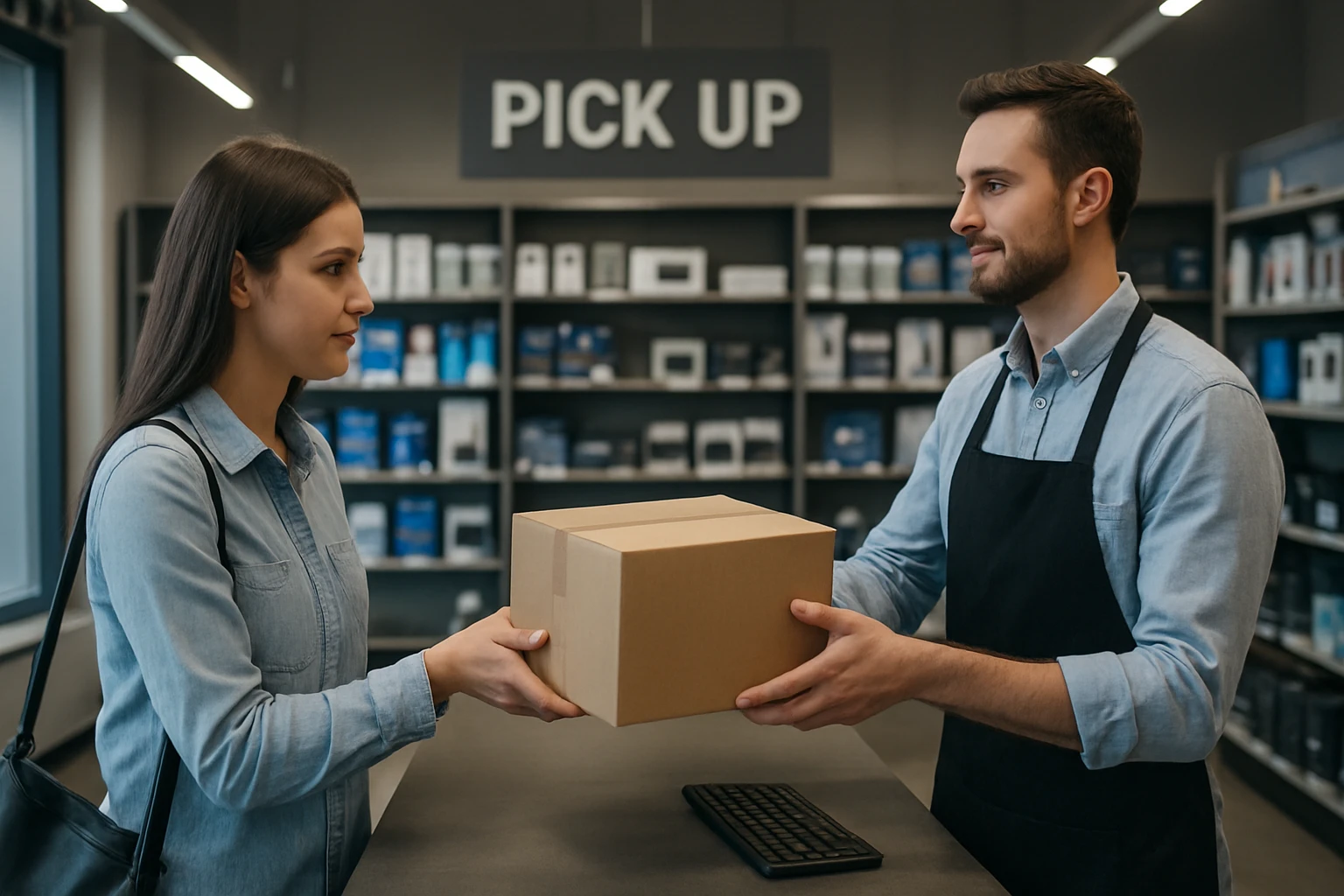
Physical stores must adapt their operations to accommodate BOPIS fulfillment alongside traditional retail activities. Dedicated pickup areas provide organized spaces for customer service and order retrieval. These zones require adequate staffing, comfortable waiting areas, and clear signage.
Inventory organization becomes more complex when serving both in-store shoppers and online orders. Strategic product placement ensures efficient picking while maintaining attractive retail displays. Some retailers create separate fulfillment areas to streamline operations.
Staff scheduling and training require careful attention to balance traditional retail duties with BOPIS responsibilities. Cross-trained employees can handle multiple functions, providing flexibility during peak periods and ensuring consistent service quality.
Benefits for Retailers and Consumers
The BOPIS model creates value propositions for both retailers and consumers, establishing a mutually beneficial relationship that drives adoption and loyalty. Understanding these advantages helps explain the model's rapid growth and widespread acceptance.
Retailer Advantages
Cost efficiency represents one of the most significant benefits for retailers implementing BOPIS. By leveraging existing store infrastructure for fulfillment, businesses avoid expensive last-mile delivery costs while maintaining competitive service levels. Store associates handle order preparation during slower periods, maximizing labor productivity.
Inventory optimization becomes more effective when stores serve as mini-fulfillment centers. Reduced shipping costs and faster inventory turnover improve overall profitability. Retailers can also redirect potential returns to stores, reducing shipping expenses and enabling immediate exchanges or store credit processing.
"Retailers who successfully integrate BOPIS operations typically see a 20-30% increase in customer lifetime value compared to single-channel shoppers."
The model drives increased foot traffic to physical locations, creating opportunities for additional purchases and customer engagement. Studies show that approximately 35% of BOPIS customers make additional purchases during pickup visits, boosting average transaction values.
Consumer Benefits
Time savings rank among the top reasons consumers choose BOPIS over traditional shopping methods. Customers avoid lengthy store navigation, checkout lines, and parking challenges while still receiving immediate product access. The ability to shop during off-hours and pick up at convenient times provides unprecedented flexibility.
Product assurance eliminates concerns about shipping delays, package theft, or delivery complications. Customers know exactly when and where to collect their purchases, reducing anxiety and uncertainty associated with home delivery services.
The model offers cost advantages through eliminated shipping fees and access to in-store promotions. Many retailers provide exclusive BOPIS discounts or combine online deals with in-store offers, creating additional value for customers.
Enhanced Shopping Experience
BOPIS creates opportunities for personalized service that pure e-commerce cannot match. Store associates can provide product demonstrations, answer questions, and offer additional recommendations during pickup interactions. This human element strengthens brand relationships and customer satisfaction.
Immediate gratification appeals to consumers who want products quickly without paying premium shipping costs. The ability to inspect items before leaving the store provides confidence and reduces return rates.
Implementation Strategies and Best Practices
Successful BOPIS implementation requires careful planning, strategic thinking, and attention to operational details. Retailers must consider multiple factors when developing their approach to ensure smooth launches and sustainable operations.
Technology Infrastructure Planning
System integration forms the foundation of effective BOPIS operations. Retailers must evaluate existing technology stacks and identify gaps that require addressing. E-commerce platforms need seamless connections to inventory management systems, ensuring real-time stock visibility across all channels.
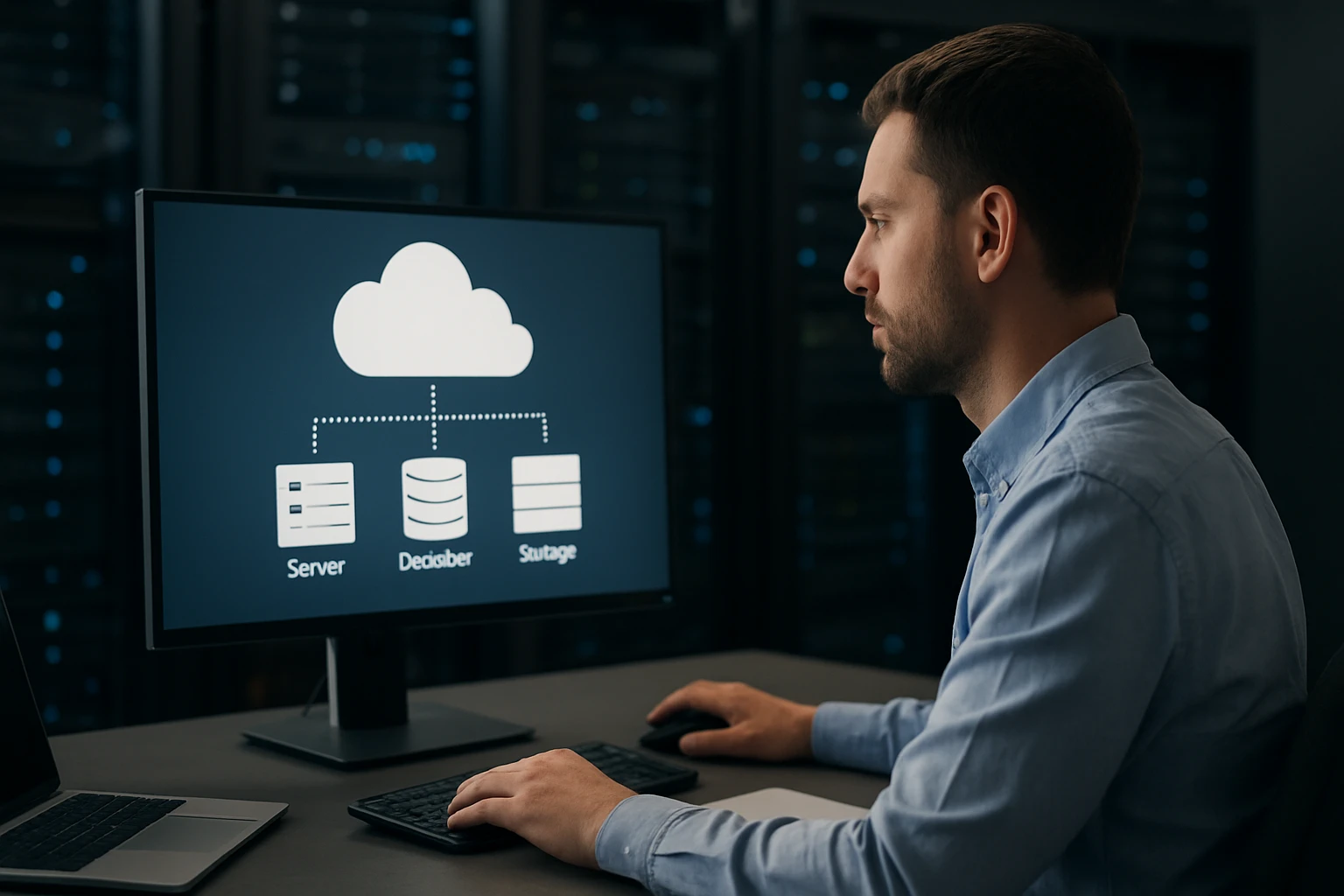
Database architecture must support high transaction volumes and rapid updates. Cloud-based solutions often provide the scalability and reliability necessary for BOPIS success. API development enables smooth data flow between systems while maintaining security and performance standards.
Mobile optimization cannot be overlooked, as many BOPIS transactions originate from smartphones. Responsive design and intuitive user interfaces encourage adoption and reduce abandonment rates during the ordering process.
Operational Workflow Design
Process mapping helps retailers identify optimal workflows for order fulfillment and customer service. Clear procedures for order receipt, picking, packaging, and customer notification ensure consistency and efficiency. Documentation and training materials support staff understanding and execution.
Quality control checkpoints prevent errors that could damage customer relationships. Verification procedures confirm order accuracy before customer notification and pickup completion. Return and exchange policies specific to BOPIS transactions require clear communication and staff training.
Performance metrics and monitoring systems enable continuous improvement. Key performance indicators such as order accuracy, pickup times, and customer satisfaction scores provide insights for operational optimization.
| Implementation Phase | Key Activities | Timeline |
|---|---|---|
| Planning & Assessment | Technology audit, process mapping, staff evaluation | 2-3 months |
| System Integration | Platform connections, testing, security validation | 3-4 months |
| Pilot Launch | Limited store rollout, feedback collection, refinement | 1-2 months |
| Full Deployment | Company-wide launch, training completion, monitoring | 2-3 months |
Staff Training and Development
Comprehensive training programs prepare employees for BOPIS responsibilities while maintaining traditional retail excellence. Training modules should cover technology usage, customer service protocols, and troubleshooting procedures. Role-playing exercises help staff practice common scenarios and challenging situations.
Cross-training initiatives create operational flexibility by enabling multiple employees to handle BOPIS duties. This approach prevents service disruptions during staff absences and peak demand periods. Regular refresher training keeps skills sharp and introduces new procedures or technologies.
Performance recognition and incentive programs encourage staff engagement with BOPIS operations. Metrics-based rewards for accuracy, speed, and customer satisfaction motivate excellence while building team accountability.
Challenges and Solutions
While BOPIS offers significant advantages, implementation and operation present various challenges that retailers must address proactively. Understanding common obstacles and proven solutions helps ensure successful program development and sustainability.
Inventory Management Complexities
Real-time synchronization between online and offline inventory systems poses technical and operational challenges. Delays or inaccuracies in stock updates can lead to customer disappointment and operational inefficiencies. Advanced inventory management systems with automated updates and alert mechanisms help minimize these issues.
Allocation conflicts arise when popular items face demand from both in-store shoppers and online customers. Retailers must develop fair allocation strategies that prevent overselling while maximizing sales opportunities. Some businesses reserve specific quantities for BOPIS orders or implement dynamic pricing to balance demand.
"Effective inventory management in a BOPIS environment requires treating each store as both a retail location and a fulfillment center, demanding new approaches to stock planning and allocation."
Seasonal fluctuations and promotional periods can strain inventory systems and create fulfillment challenges. Advance planning, flexible staffing models, and temporary storage solutions help manage peak demand periods successfully.
Operational Efficiency Concerns
Staff workload balance becomes complex when employees must serve in-store customers while fulfilling online orders. Poor planning can lead to longer wait times, reduced service quality, and employee frustration. Strategic scheduling and task prioritization help maintain service standards across all functions.
Space utilization challenges emerge as stores accommodate pickup areas, storage zones, and traditional retail displays. Creative layout solutions and flexible fixtures enable efficient space usage while maintaining attractive shopping environments.
Technology failures or system downtime can disrupt BOPIS operations and damage customer relationships. Backup procedures and manual processes ensure continued service during technical difficulties, while redundant systems minimize downtime risks.
Customer Experience Optimization
Communication gaps can create confusion about pickup procedures, timing, or requirements. Clear, consistent messaging across all touchpoints helps set proper expectations and reduces customer service issues. Automated notification systems keep customers informed throughout the process.
Wait times during pickup can frustrate customers and reduce satisfaction levels. Efficient workflows, adequate staffing, and appointment scheduling systems help minimize delays. Some retailers implement express pickup options for premium customers or simple orders.
Product availability disappointments occur when inventory systems fail to update promptly or items become damaged before pickup. Proactive communication about delays or substitutions, combined with compensation policies, helps maintain customer relationships despite occasional issues.
Technology Requirements and Integration
The technological foundation of BOPIS operations determines program success and scalability. Retailers must carefully evaluate and implement various systems to create seamless experiences for customers and efficient workflows for staff.
Core System Components
E-commerce platforms serve as the primary customer interface for BOPIS transactions. These systems must support location-based inventory displays, pickup scheduling, and integration with payment processors. Mobile-responsive design ensures accessibility across devices and platforms.
Inventory management systems provide real-time stock visibility and automatic reservation capabilities. Advanced features include predictive analytics, automated reordering, and integration with supplier systems. Cloud-based solutions offer scalability and reliability advantages over traditional on-premise installations.
Point-of-sale integration enables consistent pricing, promotions, and customer data across all channels. Unified customer profiles support personalized experiences and targeted marketing efforts while simplifying staff interactions during pickup.
Advanced Technology Features
Artificial intelligence and machine learning capabilities enhance BOPIS operations through demand forecasting, optimal inventory placement, and personalized product recommendations. Predictive analytics help retailers anticipate customer needs and optimize stock levels accordingly.
Geolocation services enable proximity-based notifications and streamlined pickup experiences. Customers receive automatic alerts when approaching stores, while staff can prepare orders for immediate retrieval. Beacon technology further enhances location-aware services.
Automated communication systems manage customer notifications throughout the order lifecycle. Customizable messaging templates ensure brand consistency while enabling personalized touches. Integration with CRM systems supports targeted follow-up campaigns and feedback collection.
| Technology Component | Primary Function | Integration Requirements |
|---|---|---|
| E-commerce Platform | Customer ordering interface | POS, Inventory, Payment systems |
| Inventory Management | Real-time stock tracking | ERP, Supplier systems, Analytics |
| Communication System | Customer notifications | CRM, Marketing automation, Mobile |
| Analytics Platform | Performance monitoring | All systems, External data sources |
Security and Compliance Considerations
Data protection requirements become more complex when customer information flows between online and offline systems. Encryption protocols and secure API connections protect sensitive data during transmission and storage. Regular security audits ensure ongoing compliance with industry standards.
Payment processing security demands particular attention in BOPIS environments. PCI compliance requirements apply to all systems handling payment data, while fraud detection systems monitor transactions for suspicious activity. Tokenization technologies reduce security risks by eliminating stored payment information.
Customer privacy regulations such as GDPR and CCPA impose additional requirements for data handling and customer consent. Transparent privacy policies and consent management systems ensure compliance while building customer trust.
Future Trends and Innovations
The BOPIS landscape continues evolving rapidly, driven by technological advances, changing consumer behaviors, and competitive pressures. Understanding emerging trends helps retailers prepare for future opportunities and challenges.
Emerging Technologies
Augmented reality applications enable customers to visualize products in their intended environments before ordering. Virtual try-on capabilities for clothing, accessories, and cosmetics reduce return rates while enhancing online shopping confidence. AR-powered store navigation helps customers locate pickup areas efficiently.
Internet of Things (IoT) sensors provide granular inventory tracking and environmental monitoring. Smart shelving systems automatically detect stock levels and trigger reorder processes. Temperature and humidity sensors ensure product quality during storage periods.
Blockchain technology offers potential solutions for supply chain transparency and authentication. Smart contracts could automate various BOPIS processes while ensuring compliance and reducing disputes. Digital identity verification enhances security during pickup transactions.
Service Model Evolution
Curbside pickup expansion reflects growing demand for contactless shopping experiences. Drive-through fulfillment centers and dedicated parking areas streamline the pickup process while reducing store congestion. Appointment scheduling systems optimize staff allocation and customer wait times.
Subscription-based BOPIS services provide ongoing convenience for regular customers. Automated reordering based on purchase history and predictive analytics creates seamless replenishment experiences. Loyalty program integration rewards frequent BOPIS users with exclusive benefits and discounts.
"The future of retail lies not in choosing between online and offline channels, but in creating seamless experiences that leverage the strengths of both environments."
Same-day fulfillment capabilities continue expanding as retailers optimize operations and leverage local inventory. Real-time order tracking provides customers with precise timing information and enables dynamic scheduling adjustments.
Market Expansion Opportunities
Small and medium retailers increasingly adopt BOPIS as technology costs decrease and implementation complexity reduces. Third-party platforms provide turnkey solutions that enable rapid deployment without significant infrastructure investments. Marketplace integration allows smaller retailers to compete with larger competitors.
International expansion of BOPIS models adapts to local preferences and regulatory requirements. Cultural customization ensures service models align with regional shopping behaviors and expectations. Multi-language support and localized payment options facilitate global adoption.
Industry diversification extends BOPIS beyond traditional retail into services, food delivery, and professional services. Healthcare applications enable prescription pickup and medical supply distribution. Automotive services integrate BOPIS for parts ordering and maintenance scheduling.
Sustainability and Environmental Impact
Environmental consciousness drives interest in BOPIS as a sustainable shopping alternative. Reduced packaging requirements and eliminated delivery vehicles decrease environmental impact. Carbon footprint calculations help retailers and customers make environmentally conscious choices.
Circular economy principles integrate with BOPIS through return and recycling programs. Product refurbishment services and component harvesting create additional value streams while supporting sustainability goals. Green logistics optimization minimizes environmental impact throughout the fulfillment process.
"Sustainable retail practices are no longer optional features but essential components of successful business strategies in an environmentally conscious marketplace."
What is BOPIS and how does it work?
BOPIS (Buy Online, Pick Up In-Store) is a retail fulfillment model where customers purchase products online and collect them from physical store locations. The process involves browsing products digitally, placing orders through e-commerce platforms, and retrieving items from designated pickup areas during convenient time windows.
What are the main benefits of using BOPIS?
Key benefits include time savings through avoiding shipping delays, cost savings from eliminated delivery fees, immediate product access, and the ability to inspect items before leaving the store. Customers also enjoy flexible pickup timing and the convenience of combining online shopping with in-store service.
How do retailers manage inventory for BOPIS orders?
Retailers use integrated inventory management systems that provide real-time stock visibility across all locations. These systems automatically reserve products for BOPIS orders, prevent overselling, and update availability information instantly across online and offline channels.
What technology infrastructure is required for BOPIS?
Essential components include e-commerce platforms with pickup capabilities, inventory management systems, point-of-sale integration, customer communication tools, and mobile-optimized interfaces. Advanced features may include AI-powered analytics, geolocation services, and automated notification systems.
How long does the BOPIS pickup process typically take?
Most BOPIS pickups take 2-5 minutes once customers arrive at the store. Factors affecting timing include order complexity, store traffic, staff availability, and verification procedures. Many retailers offer appointment scheduling to minimize wait times.
Can customers return BOPIS purchases?
Yes, most retailers accept returns for BOPIS purchases following their standard return policies. In-store returns are often more convenient than shipping returns, enabling immediate exchanges or refunds. Some retailers offer extended return windows for BOPIS customers.
What happens if an item is unavailable after ordering?
When items become unavailable after ordering, retailers typically notify customers immediately and offer alternatives such as substitutions, rain checks, or full refunds. Advanced inventory systems minimize these occurrences through real-time stock monitoring and automatic reservation processes.
Is BOPIS available for all product categories?
BOPIS availability varies by retailer and product type. Most retailers offer the service for standard merchandise, while restrictions may apply to oversized items, hazardous materials, or products requiring special handling. Perishable goods and prescription items often have modified pickup procedures.
How do retailers handle peak demand periods?
During busy periods, retailers implement strategies such as extended pickup hours, additional staffing, appointment scheduling, and temporary storage solutions. Some retailers prioritize orders by customer loyalty status or implement queue management systems to maintain service quality.
What security measures protect BOPIS transactions?
Security measures include customer identification verification during pickup, secure payment processing, encrypted data transmission, and order confirmation systems. Many retailers require photo ID matching the order name and may implement additional verification for high-value purchases.