

Edge computing has fundamentally transformed how we think about data processing and network infrastructure, moving computational power closer to where data is generated and consumed. As someone who has witnessed the evolution from centralized cloud architectures to distributed edge systems, I find edge network virtualization particularly fascinating because it represents the next logical step in this technological progression. The ability to create flexible, software-defined networks at the edge opens up possibilities that were simply unthinkable just a few years ago.
Edge network virtualization, at its core, is the process of abstracting physical network resources at the edge of the network topology and creating virtual network instances that can be dynamically managed and allocated. This approach combines the principles of network function virtualization (NFV) with the distributed nature of edge computing, promising to deliver unprecedented flexibility, scalability, and efficiency in network operations. The convergence of these technologies addresses multiple challenges simultaneously: reducing latency, improving bandwidth utilization, and enabling more responsive applications.
Throughout this exploration, you'll discover how edge network virtualization works in practice, understand its key components and architecture, and learn about the tangible benefits it brings to modern computing environments. We'll examine real-world implementation strategies, discuss the challenges organizations face when adopting these technologies, and explore emerging trends that will shape the future of distributed computing. By the end, you'll have a comprehensive understanding of why edge network virtualization is becoming essential for businesses seeking to optimize their digital infrastructure.
Understanding Edge Network Virtualization
Edge network virtualization represents a paradigm shift in how network resources are deployed and managed across distributed computing environments. Unlike traditional networking approaches that rely on fixed, hardware-based configurations, this technology creates abstracted network layers that can be programmatically controlled and dynamically reconfigured based on application needs and traffic patterns.
The fundamental principle behind edge network virtualization involves separating the network control plane from the data plane, enabling centralized management of distributed network resources. This separation allows network administrators to create multiple virtual networks that share the same physical infrastructure while maintaining isolation and security between different services and applications.
Core Components of Edge Network Virtualization
The architecture of edge network virtualization consists of several interconnected components that work together to deliver seamless network services:
• Virtual Network Functions (VNFs): Software implementations of network services traditionally performed by dedicated hardware appliances
• Edge Orchestrators: Management platforms that coordinate the deployment and lifecycle of virtual network functions across edge locations
• Software-Defined Networking (SDN) Controllers: Centralized systems that program network behavior and routing decisions
• Network Function Virtualization Infrastructure (NFVI): The underlying compute, storage, and networking resources that host virtual functions
• Management and Orchestration (MANO) Systems: Platforms that automate the provisioning, scaling, and monitoring of virtualized network services
These components integrate to create a cohesive ecosystem where network services can be instantiated on-demand, scaled dynamically, and managed centrally while operating at the network edge.
Virtualization Technologies at the Edge
Edge network virtualization leverages several key technologies to achieve its objectives. Container orchestration platforms like Kubernetes have become increasingly important for deploying lightweight network functions that can start quickly and consume minimal resources. These platforms enable the rapid deployment of network services across multiple edge locations while maintaining consistency and reliability.
Microservices architecture plays a crucial role in breaking down monolithic network functions into smaller, more manageable components. This approach allows for more granular scaling, easier maintenance, and improved fault isolation. When network demand increases in a specific geographic area, only the relevant microservices need to be scaled rather than entire network function instances.
Network slicing technology enables the creation of multiple logical networks over a shared physical infrastructure. Each slice can be optimized for specific use cases, such as ultra-low latency applications, high-bandwidth video streaming, or massive IoT device connectivity. This capability is particularly valuable at the edge where diverse applications with varying requirements often coexist.
Architecture and Implementation Models
The architectural approach to edge network virtualization varies significantly depending on organizational requirements, existing infrastructure, and specific use cases. Understanding these different models helps in selecting the most appropriate implementation strategy for specific scenarios.
Distributed Edge Architecture
In a distributed edge architecture, network functions are deployed across multiple edge locations, creating a mesh of interconnected virtualized services. This model provides excellent resilience and performance by distributing both computational load and network processing closer to end users.
The distributed approach requires sophisticated coordination mechanisms to ensure consistent service delivery across all edge locations. Service mesh technologies become essential in this context, providing secure communication, load balancing, and observability between distributed network functions.
Edge clustering strategies group nearby edge locations into logical clusters that can share resources and provide backup services for each other. This clustering approach balances the benefits of local processing with the need for redundancy and resource optimization.
Hierarchical Edge Architecture
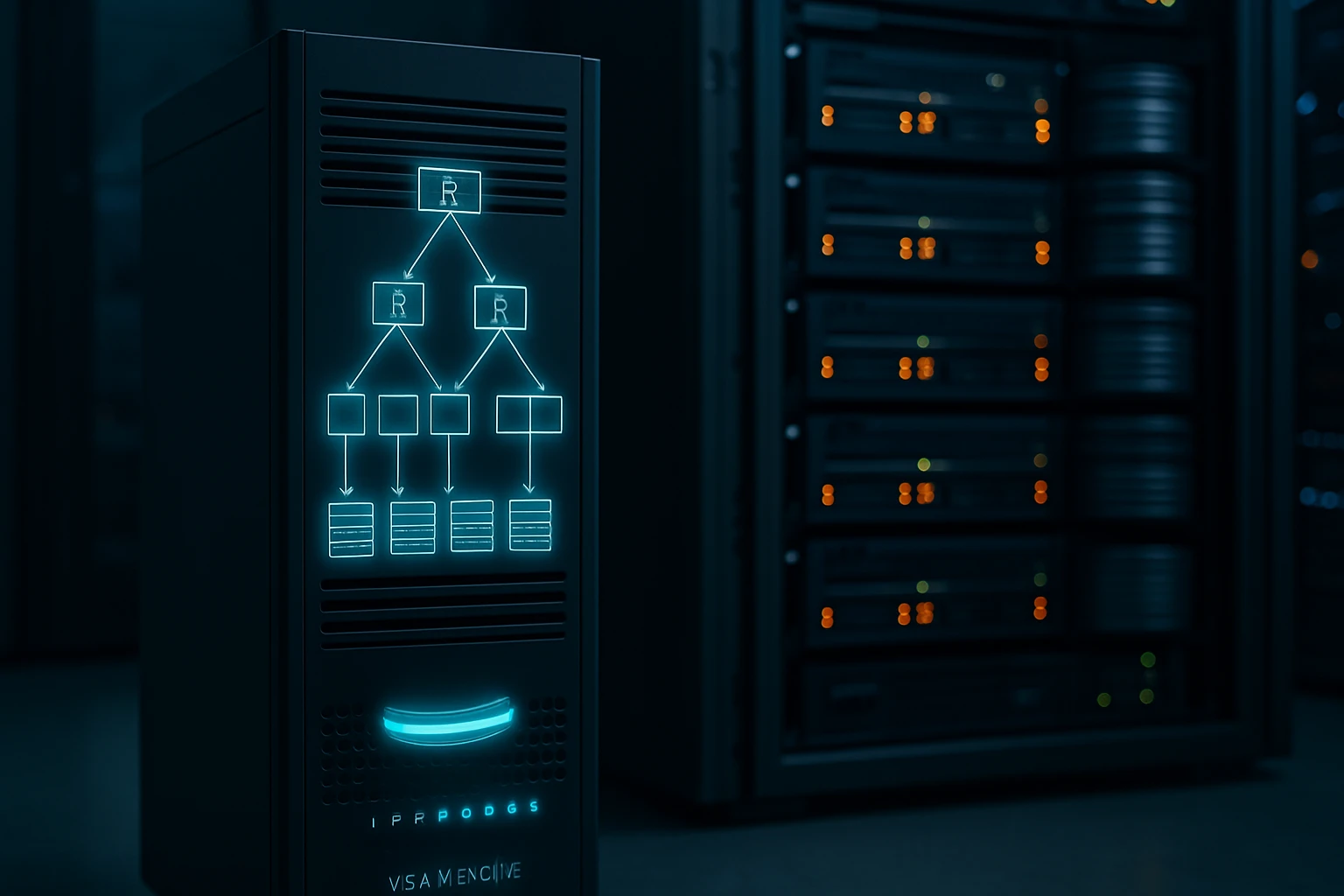
Hierarchical architectures organize edge resources into multiple tiers, typically including regional edge data centers, local edge nodes, and device-level edge computing capabilities. Network virtualization in this model involves creating virtual networks that span multiple hierarchy levels while maintaining optimal routing and resource allocation.
The hierarchical approach enables more sophisticated traffic management strategies, where different types of network functions can be placed at appropriate hierarchy levels based on their latency requirements, computational needs, and geographic scope. Regional coordination becomes crucial for managing resources across different hierarchy levels and ensuring seamless service delivery.
| Architecture Model | Key Advantages | Primary Use Cases |
|---|---|---|
| Distributed Edge | High resilience, uniform performance | Content delivery, IoT processing |
| Hierarchical Edge | Resource optimization, scalable management | Telecommunications, enterprise networks |
| Hybrid Edge | Flexibility, gradual migration | Multi-cloud deployments, legacy integration |
Hybrid Implementation Approaches
Many organizations adopt hybrid approaches that combine elements of both distributed and hierarchical architectures. These implementations often integrate existing network infrastructure with new virtualized components, enabling gradual migration to fully virtualized edge networks.
Legacy integration strategies become particularly important in hybrid implementations, requiring careful consideration of how existing network appliances and services interact with virtualized components. Network abstraction layers help bridge the gap between traditional and virtualized network elements.
Key Benefits and Advantages
The adoption of edge network virtualization delivers numerous benefits that address fundamental challenges in modern network infrastructure. These advantages extend beyond simple cost reduction to encompass improved performance, enhanced flexibility, and better resource utilization.
Enhanced Performance and Reduced Latency
One of the most significant advantages of edge network virtualization is the dramatic reduction in network latency achieved by processing data closer to its source. Traditional centralized architectures often introduce latency penalties as data travels to distant data centers for processing before returning to end users.
By virtualizing network functions at the edge, organizations can implement real-time processing capabilities that respond to user requests within milliseconds rather than hundreds of milliseconds. This improvement is particularly crucial for applications like autonomous vehicles, industrial automation, and interactive gaming where even small delays can have significant consequences.
"The ability to process network traffic at the point where it's generated rather than routing it through centralized systems represents a fundamental shift in how we think about network architecture and application responsiveness."
Dynamic routing optimization becomes possible when network functions can be instantiated and configured based on real-time traffic patterns and application requirements. This capability enables networks to automatically adapt to changing conditions and optimize performance without manual intervention.
Improved Scalability and Resource Utilization
Edge network virtualization enables unprecedented scalability by allowing network resources to be allocated dynamically based on demand. Unlike traditional hardware-based approaches that require over-provisioning to handle peak loads, virtualized networks can scale up and down in real-time.
Elastic scaling mechanisms monitor network performance and automatically adjust resource allocation to maintain optimal service levels. During periods of high demand, additional virtual network functions can be instantiated across multiple edge locations, distributing the load and maintaining performance.
Resource pooling across edge locations creates opportunities for more efficient utilization of computing and networking resources. When one edge location experiences low demand, its resources can be temporarily allocated to support higher demand at other locations, maximizing the return on infrastructure investment.
Cost Optimization and Operational Efficiency
The economic benefits of edge network virtualization extend beyond reduced hardware costs to include significant operational savings. Centralized management of distributed network functions reduces the need for on-site technical personnel at each edge location while enabling more efficient troubleshooting and maintenance procedures.
Automated provisioning and configuration capabilities reduce the time and effort required to deploy new network services. What previously might have taken weeks or months to implement can often be accomplished in hours or days through automated orchestration platforms.
Energy efficiency improvements result from the ability to dynamically adjust resource allocation based on actual demand rather than maintaining fully powered hardware appliances at all times. Virtual network functions can be migrated to more energy-efficient hardware or consolidated during low-demand periods.
Implementation Strategies and Best Practices
Successfully implementing edge network virtualization requires careful planning, appropriate technology selection, and adherence to proven best practices. Organizations that approach implementation strategically are more likely to realize the full benefits while avoiding common pitfalls.
Planning and Assessment Phase
The foundation of successful edge network virtualization implementation lies in thorough planning and assessment of existing infrastructure, application requirements, and organizational objectives. Comprehensive network audits help identify current performance bottlenecks, capacity constraints, and areas where virtualization can provide the greatest benefit.
Application profiling involves analyzing existing applications to understand their network requirements, traffic patterns, and performance characteristics. This analysis informs decisions about which network functions should be virtualized first and where they should be deployed for optimal performance.
Capacity planning for edge locations requires careful consideration of both current and projected future demands. Unlike centralized data centers where additional capacity can be added relatively easily, edge locations often have space, power, and connectivity constraints that must be considered during the planning phase.
Technology Selection and Integration
Choosing appropriate technologies for edge network virtualization involves evaluating multiple factors including performance requirements, scalability needs, integration capabilities, and vendor ecosystem considerations. Open-source solutions often provide greater flexibility and avoid vendor lock-in, but may require more internal expertise for implementation and maintenance.
Container orchestration platforms have become the preferred deployment mechanism for many edge network functions due to their lightweight nature and rapid startup times. However, some network functions may still require virtual machine-based deployment for performance or isolation reasons.
Integration with existing network management systems requires careful consideration of APIs, protocols, and data formats. Seamless integration enables organizations to leverage existing operational procedures and tools while gradually transitioning to virtualized network functions.
| Implementation Phase | Key Activities | Success Criteria |
|---|---|---|
| Planning | Network audit, application profiling, capacity planning | Clear requirements, realistic timelines |
| Pilot Deployment | Limited scope testing, performance validation | Proof of concept success, stakeholder buy-in |
| Production Rollout | Phased deployment, monitoring, optimization | Performance targets met, operational stability |
Monitoring and Optimization Strategies
Effective monitoring of virtualized edge networks requires new approaches and tools designed specifically for distributed, dynamic environments. Real-time telemetry collection from virtual network functions provides insights into performance, resource utilization, and potential issues before they impact end users.
Automated anomaly detection systems can identify unusual patterns in network behavior and trigger appropriate responses, such as scaling resources or rerouting traffic. These systems become particularly important in edge environments where manual monitoring of numerous distributed locations is impractical.
Performance optimization in virtualized edge networks involves continuous analysis of metrics and automatic adjustment of configurations to maintain optimal service delivery. Machine learning algorithms can identify patterns and predict future resource needs, enabling proactive scaling and resource allocation.
Challenges and Considerations
While edge network virtualization offers significant benefits, organizations must also address various challenges and considerations to ensure successful implementation and operation. Understanding these challenges helps in developing appropriate mitigation strategies and realistic implementation timelines.
Security and Compliance Challenges
The distributed nature of edge network virtualization introduces new security considerations that don't exist in centralized architectures. Multi-location security management requires consistent policy enforcement across numerous edge locations while maintaining the flexibility that makes virtualization valuable.
Zero-trust networking principles become essential in edge environments where traditional perimeter-based security models are insufficient. Every network function, communication path, and data flow must be authenticated and authorized regardless of its location or origin.
Compliance requirements may vary by geographic location, creating additional complexity for organizations operating across multiple jurisdictions. Virtualized networks must be designed to accommodate different regulatory requirements while maintaining operational efficiency.
"Security in distributed edge environments requires a fundamental shift from perimeter-based protection to identity-based access control, where every component must prove its legitimacy before being granted network access."
Data sovereignty concerns arise when virtualized network functions process or store data across multiple geographic locations. Organizations must ensure that data handling practices comply with local regulations and customer requirements.
Technical Complexity and Skills Requirements
Edge network virtualization introduces significant technical complexity that requires new skills and expertise. Network automation and orchestration capabilities become essential for managing distributed virtual network functions effectively.
DevOps practices must be adapted for network operations, requiring collaboration between traditional network engineers and software development teams. This cultural shift can be challenging for organizations with established operational procedures and team structures.
The dynamic nature of virtualized edge networks makes troubleshooting more complex than traditional static configurations. Network engineers must develop new diagnostic techniques and tools specifically designed for distributed, software-defined environments.
Performance and Reliability Considerations
While virtualization offers many benefits, it can also introduce performance overhead that must be carefully managed. Hardware acceleration technologies such as SR-IOV and DPDK help minimize virtualization overhead for high-performance network functions.
Fault tolerance mechanisms become more critical in edge environments where hardware failures or connectivity issues can affect multiple virtual network functions. Redundancy and failover strategies must be designed to maintain service availability despite individual component failures.
Network latency optimization requires careful placement of virtual network functions and intelligent routing decisions. The benefits of edge processing can be negated if virtualization introduces significant processing delays or inefficient routing paths.
Future Trends and Emerging Technologies
The landscape of edge network virtualization continues to evolve rapidly, driven by advances in underlying technologies and changing application requirements. Understanding these trends helps organizations prepare for future developments and make informed technology investment decisions.
5G and Beyond Integration
The deployment of 5G networks creates new opportunities and requirements for edge network virtualization. Network slicing capabilities in 5G networks align naturally with virtualization technologies, enabling dynamic creation of specialized network services for different application types.
Ultra-reliable low-latency communications (URLLC) requirements in 5G networks drive the need for more sophisticated edge processing capabilities. Virtualized network functions must be optimized to meet stringent latency and reliability requirements while maintaining the flexibility that makes virtualization valuable.
Private 5G networks for enterprise applications create opportunities for customized edge network virtualization implementations that are optimized for specific industry requirements and use cases.
Artificial Intelligence and Machine Learning Integration
AI and ML technologies are increasingly being integrated into edge network virtualization platforms to enable more intelligent and autonomous operation. Predictive analytics can forecast network demand patterns and automatically adjust resource allocation to maintain optimal performance.
Intelligent traffic routing algorithms use machine learning to optimize network paths based on real-time conditions, application requirements, and historical patterns. These systems can adapt to changing network conditions faster than traditional rule-based approaches.
Automated network optimization uses AI to continuously tune virtual network function configurations, placement decisions, and resource allocations to maximize performance and efficiency across the entire edge network.
"The convergence of artificial intelligence with edge network virtualization is creating self-managing networks that can adapt to changing conditions and optimize performance without human intervention."
Edge-Cloud Continuum Evolution
The boundary between edge and cloud computing continues to blur as organizations seek to create seamless computing environments that span from device-level processing to centralized cloud resources. Unified orchestration platforms are emerging that can manage resources across the entire computing continuum.
Workload mobility capabilities enable applications and network functions to move dynamically between edge and cloud resources based on performance requirements, cost considerations, and resource availability.
Hybrid deployment models are becoming more sophisticated, allowing organizations to optimize the placement of different application components and network functions across multiple infrastructure tiers.
Quantum Networking Implications
While still in early stages, quantum networking technologies may significantly impact edge network virtualization in the future. Quantum key distribution could provide unprecedented security for edge network communications, particularly important for sensitive applications and critical infrastructure.
Quantum computing integration at the edge may enable new types of network optimization algorithms and security mechanisms that are impossible with classical computing approaches.
The development of quantum-safe cryptographic protocols will become essential as quantum computing capabilities advance and potentially threaten current encryption methods used in virtualized networks.
Real-World Applications and Use Cases
Edge network virtualization finds application across numerous industries and use cases, each with specific requirements and benefits. Examining these real-world implementations provides insights into practical considerations and potential returns on investment.
Industrial IoT and Manufacturing
Manufacturing environments represent one of the most compelling use cases for edge network virtualization due to their requirements for low latency, high reliability, and specialized network services. Industrial automation systems require network functions that can process sensor data and control signals within milliseconds to maintain operational safety and efficiency.
Predictive maintenance applications benefit from edge network virtualization by enabling real-time analysis of equipment sensor data without the latency penalties associated with cloud-based processing. Virtual network functions can be customized to handle specific types of industrial protocols and data formats.
Quality control systems in manufacturing use edge network virtualization to process high-resolution imagery and sensor data in real-time, enabling immediate detection and correction of production issues.
Smart Cities and Infrastructure
Smart city initiatives leverage edge network virtualization to create responsive urban infrastructure that can adapt to changing conditions and citizen needs. Traffic management systems use virtualized network functions to process data from sensors, cameras, and connected vehicles to optimize traffic flow and reduce congestion.
Public safety applications require network services that can prioritize emergency communications and provide reliable connectivity during crisis situations. Edge network virtualization enables the creation of dedicated network slices for first responders and emergency services.
Environmental monitoring systems use distributed edge network functions to collect and analyze data from air quality sensors, noise monitors, and weather stations, providing real-time insights into urban environmental conditions.
Content Delivery and Media Streaming
The media and entertainment industry has embraced edge network virtualization to improve content delivery performance and reduce bandwidth costs. Content delivery networks (CDNs) use virtualized caching and transcoding functions at edge locations to provide high-quality streaming experiences with minimal latency.
Live streaming applications benefit from edge-based video processing capabilities that can adapt stream quality and format based on network conditions and device capabilities. This processing occurs close to viewers, reducing latency and improving the overall viewing experience.
Gaming applications use edge network virtualization to create low-latency gaming experiences, particularly important for cloud gaming services where input lag can significantly impact user experience.
"The transformation of content delivery through edge network virtualization has enabled streaming services to provide consistent, high-quality experiences regardless of user location or network conditions."
Healthcare and Telemedicine
Healthcare applications represent a critical use case for edge network virtualization, where network reliability and data security are paramount concerns. Remote patient monitoring systems use edge network functions to process vital sign data and detect anomalies in real-time without relying on cloud connectivity.
Telemedicine platforms leverage edge network virtualization to ensure high-quality video communications between patients and healthcare providers, even in areas with limited internet connectivity.
Medical imaging applications benefit from edge-based processing capabilities that can enhance image quality, perform initial analysis, and compress data for efficient transmission to specialists.
Performance Metrics and Evaluation
Measuring the success of edge network virtualization implementations requires comprehensive metrics that capture both technical performance and business value. Organizations must establish baseline measurements and continuously monitor key performance indicators to ensure optimal operation.
Technical Performance Metrics
Latency measurements form the foundation of edge network virtualization performance evaluation. Round-trip time, processing delay, and jitter metrics provide insights into whether virtualization is delivering the expected performance improvements compared to traditional architectures.
Throughput and bandwidth utilization metrics help organizations understand how effectively their virtualized networks are handling traffic loads and whether resource allocation is optimized for actual usage patterns.
Availability and reliability metrics track the uptime and fault tolerance of virtualized network functions, ensuring that the flexibility benefits of virtualization don't come at the expense of service reliability.
Resource utilization metrics across compute, storage, and networking resources provide insights into infrastructure efficiency and help identify opportunities for optimization or cost reduction.
Business Impact Measurements
Cost reduction metrics compare the total cost of ownership for virtualized edge networks against traditional hardware-based approaches, including both capital and operational expenses.
Service deployment velocity measures how quickly new network services can be deployed and configured in virtualized environments compared to traditional approaches.
Customer satisfaction metrics, including application performance scores and user experience ratings, help quantify the business impact of improved network performance.
Revenue impact measurements track how edge network virtualization enables new business opportunities or improves the performance of revenue-generating applications.
Operational Efficiency Indicators
Automation levels measure the percentage of network operations that can be performed without manual intervention, indicating the maturity of virtualization implementation.
Mean time to resolution (MTTR) for network issues provides insights into whether virtualized networks are easier or more difficult to troubleshoot and repair compared to traditional approaches.
Staff productivity metrics track how virtualization affects the efficiency of network operations teams and whether new skills development is keeping pace with technology adoption.
Compliance and audit metrics ensure that virtualized networks meet regulatory requirements and security standards without imposing excessive operational overhead.
What is edge network virtualization and how does it differ from traditional networking?
Edge network virtualization is the process of creating software-defined network functions that operate at the edge of the network topology, closer to end users and data sources. Unlike traditional networking that relies on dedicated hardware appliances, edge network virtualization uses software-based network functions that can be dynamically deployed, scaled, and managed across distributed edge locations.
What are the main benefits of implementing edge network virtualization?
The primary benefits include significantly reduced latency through local processing, improved scalability through dynamic resource allocation, cost optimization through shared infrastructure, enhanced flexibility in service deployment, and better resource utilization across distributed locations. Organizations also benefit from centralized management of distributed network functions and the ability to rapidly deploy new services.
What challenges should organizations expect when implementing edge network virtualization?
Key challenges include increased technical complexity requiring new skills, security considerations for distributed environments, integration with existing infrastructure, performance optimization across multiple locations, and compliance requirements that may vary by geographic location. Organizations must also address cultural changes required for DevOps-style network operations.
How does 5G technology relate to edge network virtualization?
5G networks and edge network virtualization are complementary technologies that work together to enable new applications and services. 5G's network slicing capabilities align with virtualization principles, while ultra-low latency requirements drive the need for edge processing. Many 5G use cases, such as autonomous vehicles and industrial automation, depend on both technologies working together.
What industries benefit most from edge network virtualization?
Industries with strict latency requirements benefit most, including manufacturing and industrial IoT, healthcare and telemedicine, autonomous vehicles, smart cities, content delivery and media streaming, gaming, and financial services. Any industry requiring real-time processing or improved user experience through reduced latency can benefit from edge network virtualization.
How can organizations measure the success of their edge network virtualization implementation?
Success should be measured through multiple metrics including technical performance (latency, throughput, availability), business impact (cost reduction, service deployment velocity, customer satisfaction), and operational efficiency (automation levels, mean time to resolution, staff productivity). Organizations should establish baseline measurements before implementation and continuously monitor these metrics.