
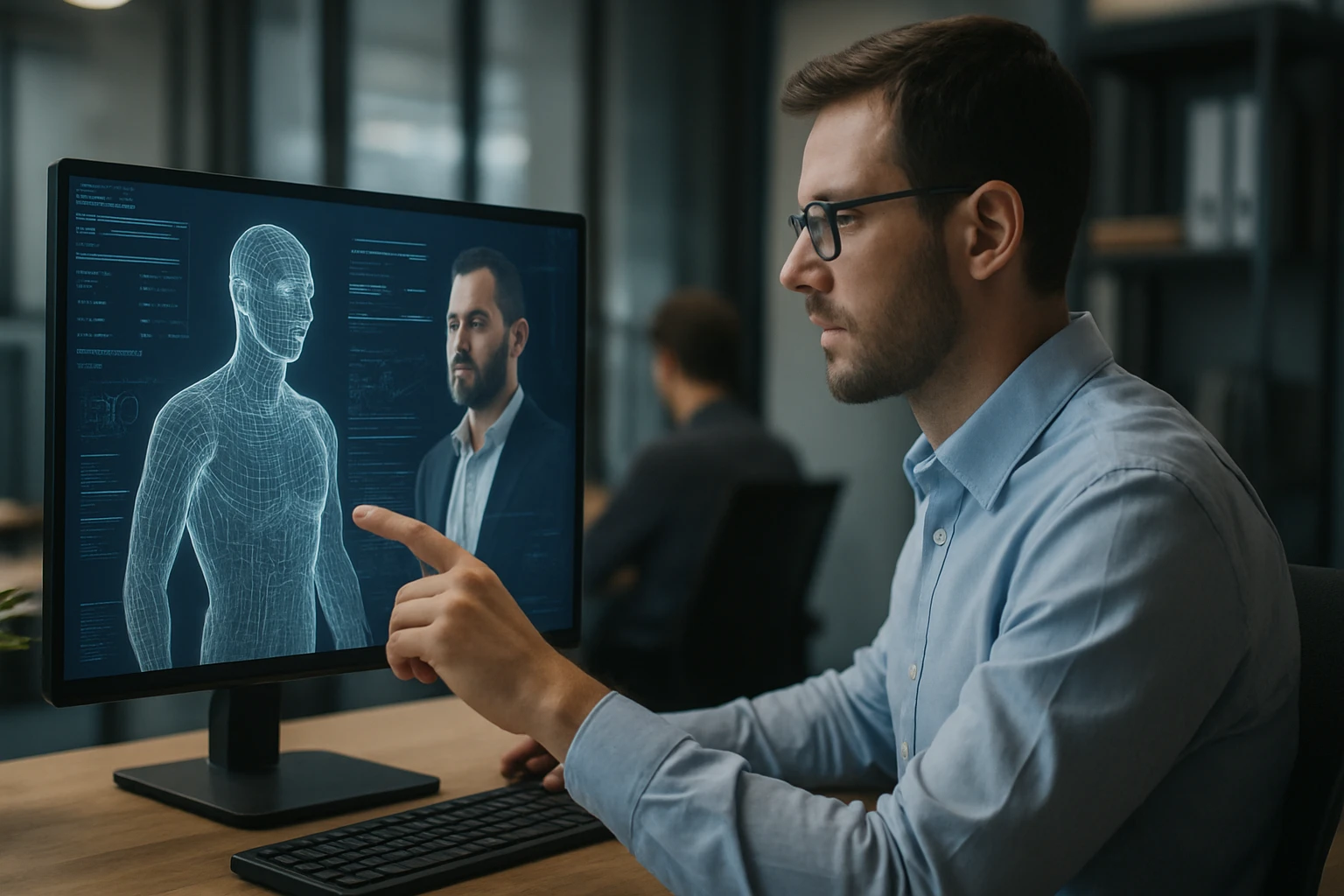
The convergence of physical and digital worlds has always fascinated me, particularly how we can create virtual mirrors of real-world systems that respond, learn, and evolve in real-time. This intersection represents one of the most transformative technological developments of our era, fundamentally changing how we design, monitor, and optimize everything from manufacturing processes to entire smart cities.
Digital twin technology represents the creation of dynamic, virtual replicas of physical objects, processes, or systems that continuously update based on real-world data. This concept promises to revolutionize multiple industries by offering unprecedented insights through simulation, predictive analytics, and optimization capabilities that were previously impossible to achieve.
Throughout this exploration, you'll discover the foundational principles behind this technology, examine real-world implementations across various sectors, understand the technical requirements for successful deployment, and learn about emerging trends that will shape the future of digital replication. We'll also address common challenges and provide practical guidance for organizations considering this transformative approach.
Understanding the Core Concept
Digital twin technology creates a virtual representation that serves as the real-time digital counterpart of a physical object or process. This virtual model receives continuous data feeds from sensors, IoT devices, and other data sources attached to its physical counterpart, enabling it to mirror the behavior, condition, and performance of the real-world entity.
The relationship between the physical and digital versions operates bidirectionally. While sensors collect data from the physical world to update the digital model, insights generated from the virtual environment can inform decisions and actions in the physical realm. This creates a feedback loop that enhances understanding and enables predictive capabilities.
"The true power lies not in creating a static copy, but in building a living, breathing digital ecosystem that evolves alongside its physical counterpart."
The sophistication of these virtual representations varies significantly depending on their intended purpose. Simple versions might track basic operational parameters, while complex implementations incorporate artificial intelligence, machine learning algorithms, and advanced analytics to predict future states and recommend optimal actions.
Historical Development and Evolution
The concept originated in the aerospace industry during the early 2000s, where engineers needed better ways to monitor and maintain complex systems throughout their operational lifecycles. NASA pioneered early applications by creating virtual models of spacecraft to simulate various scenarios and predict potential issues before they occurred in space missions.
Manufacturing industries quickly recognized the potential and began developing their own implementations. Automotive companies started using virtual prototypes to test vehicle designs under various conditions without building physical prototypes for every iteration. This approach significantly reduced development costs and accelerated innovation cycles.
The proliferation of IoT devices and improvements in cloud computing capabilities during the 2010s made this technology more accessible to organizations beyond aerospace and automotive sectors. Healthcare, energy, construction, and retail industries began exploring applications tailored to their specific needs and operational requirements.
Technical Architecture and Components
Data Collection Infrastructure
The foundation of any digital twin implementation relies on comprehensive data collection systems. Sensors embedded in physical assets continuously monitor various parameters such as temperature, pressure, vibration, location, and operational status. These devices must be strategically placed to capture relevant information without interfering with normal operations.
Communication networks transport collected data from sensors to processing systems. This infrastructure must handle varying data volumes and ensure reliable transmission even in challenging environments. Edge computing capabilities often process initial data locally before sending refined information to central systems.
Data storage solutions must accommodate both real-time streaming data and historical information required for trend analysis and machine learning applications. Cloud-based platforms typically provide the scalability needed to handle growing data volumes while maintaining performance standards.
Processing and Analytics Layer
Advanced analytics engines process incoming data streams to identify patterns, detect anomalies, and generate insights. Machine learning algorithms continuously improve their accuracy by learning from historical data and real-world outcomes. These systems can identify subtle changes that might indicate potential issues or optimization opportunities.
Simulation engines create virtual environments where different scenarios can be tested without affecting physical operations. These capabilities enable organizations to experiment with various configurations, predict outcomes of proposed changes, and optimize performance before implementing modifications in the real world.
"The magic happens when data transforms from mere numbers into actionable intelligence that drives better decisions and outcomes."
Visualization tools present complex data in understandable formats, enabling stakeholders to quickly grasp current conditions and projected trends. Interactive dashboards allow users to explore different aspects of the system and drill down into specific areas of interest.
Industry Applications and Use Cases
Manufacturing and Industrial Operations
Manufacturing environments benefit significantly from digital twin implementations that monitor production lines, predict equipment failures, and optimize operational efficiency. Virtual representations of assembly lines enable manufacturers to simulate different production scenarios, identify bottlenecks, and test improvements without disrupting ongoing operations.
Predictive maintenance applications analyze equipment performance data to forecast when components might fail, enabling proactive replacement before breakdowns occur. This approach reduces unplanned downtime, extends equipment lifecycles, and optimizes maintenance schedules based on actual usage patterns rather than predetermined intervals.
Quality control processes leverage digital twins to monitor product characteristics throughout manufacturing cycles. Virtual models can detect deviations from specifications early in the process, reducing waste and ensuring consistent output quality.
Healthcare and Medical Applications
Healthcare organizations utilize digital twin technology to create personalized treatment approaches based on individual patient characteristics. Virtual representations of organs, body systems, or entire patients enable medical professionals to simulate various treatment options and predict outcomes before implementing actual interventions.
Drug development processes benefit from virtual models that simulate how new compounds interact with biological systems. These capabilities accelerate research timelines by identifying promising candidates earlier and reducing the need for extensive physical testing in initial development phases.
Hospital operations leverage digital twins to optimize resource allocation, predict patient flow patterns, and improve facility utilization. Virtual models of healthcare facilities enable administrators to test different operational configurations and identify improvements that enhance patient care while controlling costs.
Implementation Strategies and Best Practices
Planning and Requirements Assessment
Successful implementations begin with clear objectives and realistic expectations about what the technology can achieve. Organizations must identify specific problems they want to solve and define measurable success criteria before beginning development efforts. This clarity helps guide technical decisions and resource allocation throughout the project.
Stakeholder engagement ensures that virtual representations address real business needs rather than pursuing technology for its own sake. Cross-functional teams including operations personnel, IT specialists, and business leaders should collaborate to define requirements and validate proposed approaches.
"Success depends not on the sophistication of the technology, but on how well it aligns with genuine business objectives and user needs."
Data quality assessment evaluates the availability and reliability of information needed to populate virtual models. Organizations must ensure they can access sufficient data to create meaningful representations while addressing any gaps in their current collection capabilities.
Technology Selection and Integration
Platform selection requires careful evaluation of available solutions against specific requirements and constraints. Factors to consider include scalability, integration capabilities, vendor support, and total cost of ownership over the expected system lifecycle.
Integration with existing systems presents both technical and organizational challenges. Digital twin implementations must work seamlessly with current enterprise software, databases, and operational processes without disrupting ongoing activities or requiring extensive system modifications.
Security considerations become paramount when connecting physical assets to digital networks. Robust cybersecurity measures must protect both data transmission and storage while preventing unauthorized access to critical operational systems.
| Implementation Phase | Key Activities | Success Factors |
|---|---|---|
| Planning | Requirements gathering, stakeholder alignment, feasibility assessment | Clear objectives, realistic scope, executive support |
| Design | Architecture definition, technology selection, integration planning | Scalable design, vendor evaluation, security planning |
| Development | System building, testing, validation | Agile methodology, continuous testing, user feedback |
| Deployment | System rollout, training, support | Phased approach, comprehensive training, ongoing support |
| Operation | Monitoring, optimization, maintenance | Performance tracking, continuous improvement, user adoption |
Benefits and Value Proposition
Operational Efficiency Improvements
Organizations implementing digital twin technology typically experience significant improvements in operational efficiency through better visibility into system performance and behavior. Real-time monitoring capabilities enable faster identification of issues and more informed decision-making based on current conditions rather than assumptions or outdated information.
Predictive capabilities reduce reactive maintenance approaches by identifying potential problems before they impact operations. This proactive stance minimizes unplanned downtime, extends asset lifecycles, and optimizes resource utilization across the organization.
Process optimization becomes more data-driven when virtual models can simulate different operational scenarios and predict outcomes. Organizations can test various configurations, identify optimal settings, and implement changes with greater confidence in the expected results.
Cost Reduction and ROI
Reduced physical prototyping costs represent immediate savings for organizations that previously relied on building multiple physical versions for testing purposes. Virtual prototypes enable extensive testing and validation at a fraction of the cost and time required for physical alternatives.
Maintenance cost optimization occurs when predictive analytics replace scheduled maintenance approaches with condition-based strategies. Organizations spend maintenance resources more efficiently by addressing actual needs rather than following predetermined schedules that may not reflect actual equipment conditions.
"The return on investment becomes evident not just in cost savings, but in the new capabilities and insights that were previously impossible to achieve."
Energy efficiency improvements result from better understanding of system behavior and optimization opportunities. Virtual models can identify energy waste, suggest operational modifications, and validate the impact of efficiency initiatives before implementation.
Innovation and Competitive Advantage
Accelerated innovation cycles enable organizations to bring new products and services to market faster through virtual testing and validation. Digital twins reduce development timelines by identifying design issues early and enabling rapid iteration without physical constraints.
Enhanced customer experiences result from better understanding of how products and services perform in real-world conditions. Organizations can proactively address issues, optimize performance, and develop improvements based on actual usage data rather than assumptions.
Data-driven decision making becomes more sophisticated when virtual models provide insights that were previously unavailable or required extensive manual analysis. Organizations can make more informed strategic decisions based on comprehensive understanding of their operations and market conditions.
Challenges and Limitations
Technical Complexity and Integration Issues
The complexity of creating accurate virtual representations presents significant technical challenges, particularly for organizations lacking extensive digital infrastructure or specialized expertise. Developing meaningful models requires deep understanding of both the physical systems being replicated and the digital technologies used for implementation.
Integration with legacy systems often proves more difficult than anticipated, especially when existing infrastructure wasn't designed with digital connectivity in mind. Organizations may need to invest significantly in upgrading or replacing current systems to enable effective digital twin implementations.
Data quality and availability issues can undermine the effectiveness of virtual models if the information feeding them is incomplete, inaccurate, or inconsistent. Organizations must invest in robust data collection and validation processes to ensure their digital twins provide reliable insights.
Cost and Resource Requirements
Initial investment requirements can be substantial, particularly for comprehensive implementations that require new sensors, communication infrastructure, software platforms, and specialized personnel. Organizations must carefully evaluate the total cost of ownership against expected benefits to justify the investment.
Ongoing operational costs include data storage, processing, software licensing, and maintenance activities that continue throughout the system lifecycle. These recurring expenses must be factored into business cases and budget planning processes.
"The biggest challenge often lies not in the technology itself, but in the organizational changes required to fully leverage its capabilities."
Skills and expertise gaps may require organizations to invest in training existing personnel or hiring new talent with specialized knowledge. The relatively new nature of this technology means that experienced practitioners are in high demand and may command premium compensation.
Security and Privacy Concerns
Cybersecurity risks increase when physical assets become connected to digital networks, potentially exposing critical operational systems to cyber threats. Organizations must implement comprehensive security measures to protect both their digital twins and the physical systems they represent.
Data privacy considerations become more complex when virtual models contain sensitive information about operations, customers, or proprietary processes. Organizations must ensure compliance with relevant regulations while maintaining the data access needed for effective digital twin functionality.
Intellectual property protection requires careful consideration when digital twins contain detailed information about proprietary designs, processes, or operational strategies. Organizations must balance the benefits of digital connectivity with the need to protect competitive advantages.
Future Trends and Developments
Artificial Intelligence Integration
The convergence of AI and digital twin technology promises more sophisticated virtual models capable of autonomous learning and decision-making. Machine learning algorithms will enable digital twins to identify patterns, predict outcomes, and recommend actions with increasing accuracy and minimal human intervention.
Natural language processing capabilities will make digital twins more accessible to non-technical users through conversational interfaces. Stakeholders will be able to query virtual models using plain language and receive insights in easily understandable formats.
Computer vision integration will enable digital twins to process visual information from cameras and other imaging devices, adding new dimensions to monitoring and analysis capabilities. This development will be particularly valuable for applications requiring spatial understanding or visual quality assessment.
Edge Computing and 5G Networks
Edge computing capabilities will enable more processing to occur closer to physical assets, reducing latency and improving real-time responsiveness. This development will be particularly important for applications requiring immediate feedback or control actions based on digital twin insights.
5G network technology will provide the high-speed, low-latency connectivity needed for more sophisticated digital twin applications. Enhanced communication capabilities will enable richer data collection and more responsive virtual models.
"The future will see digital twins becoming more autonomous, intelligent, and seamlessly integrated into our daily operations and decision-making processes."
Distributed computing architectures will enable digital twins to operate across multiple locations and platforms while maintaining coherent virtual representations. This capability will be essential for complex systems spanning multiple sites or organizations.
Industry-Specific Evolution
Healthcare digital twins will become more personalized and predictive, potentially enabling precision medicine approaches tailored to individual genetic profiles and health histories. Virtual representations of patients could help medical professionals optimize treatment plans and predict health outcomes with greater accuracy.
Smart city implementations will integrate multiple digital twins representing different urban systems such as transportation, utilities, and public services. These interconnected virtual models will enable more holistic approaches to urban planning and management.
Autonomous vehicle development will rely heavily on digital twin technology to simulate various driving scenarios and test vehicle responses in virtual environments before real-world deployment. This application will be critical for ensuring safety and reliability in autonomous transportation systems.
| Industry Sector | Current Applications | Emerging Trends | Future Potential |
|---|---|---|---|
| Manufacturing | Predictive maintenance, quality control | AI-driven optimization, autonomous systems | Fully automated factories |
| Healthcare | Treatment simulation, drug development | Personalized medicine, precision diagnostics | Individual health twins |
| Energy | Grid optimization, asset monitoring | Renewable integration, smart grids | Carbon-neutral operations |
| Transportation | Fleet management, route optimization | Autonomous vehicles, traffic management | Seamless mobility systems |
| Construction | Building performance, project management | Sustainable design, lifecycle optimization | Self-maintaining structures |
Practical Implementation Guidelines
Getting Started with Digital Twin Projects
Organizations beginning their digital twin journey should start with pilot projects that address specific, well-defined problems rather than attempting comprehensive implementations initially. These focused efforts provide valuable learning experiences while demonstrating tangible benefits that can justify broader investments.
Selecting appropriate use cases requires careful evaluation of factors such as data availability, potential impact, technical complexity, and organizational readiness. Ideal initial projects typically involve assets or processes that are well-understood, generate sufficient data, and have clear success metrics.
Building internal capabilities may require partnerships with technology vendors, consultants, or academic institutions that can provide specialized expertise during initial implementations. These relationships can accelerate learning while reducing the risks associated with developing new competencies internally.
Measuring Success and ROI
Establishing baseline measurements before implementation enables organizations to accurately assess the impact of their digital twin investments. Key performance indicators should align with business objectives and include both quantitative metrics and qualitative improvements.
Regular performance reviews help identify areas where digital twins are delivering value and others where adjustments might be needed. This ongoing assessment enables continuous improvement and optimization of virtual models and their applications.
Long-term value realization often extends beyond immediate operational improvements to include strategic benefits such as enhanced innovation capabilities, improved customer satisfaction, and competitive advantages that may be more difficult to quantify but equally important.
Scaling and Expansion Strategies
Successful pilot projects provide foundations for broader implementations that can leverage lessons learned and proven approaches. Scaling efforts should maintain focus on business value while expanding the scope and sophistication of virtual representations.
Organizational change management becomes increasingly important as digital twin implementations expand to affect more stakeholders and operational processes. Training, communication, and support programs help ensure successful adoption across the organization.
"Sustainable success requires treating digital twin implementation as an ongoing journey of continuous improvement rather than a one-time technology deployment."
Technology evolution planning ensures that digital twin implementations remain current and continue delivering value as underlying technologies advance. Organizations should maintain flexibility to incorporate new capabilities while protecting existing investments.
Collaboration and Ecosystem Development
Vendor and Partner Relationships
Building effective partnerships with technology vendors, system integrators, and specialized consultants can significantly accelerate digital twin implementations while reducing risks. These relationships provide access to expertise, proven solutions, and ongoing support that may not be available internally.
Vendor selection should consider not only current capabilities but also the provider's roadmap for future development and their commitment to the digital twin market. Long-term partnerships work best when vendors demonstrate ongoing innovation and customer support.
Industry collaboration through consortiums, standards organizations, and user groups helps organizations stay current with best practices and emerging trends. These forums provide valuable networking opportunities and access to shared learning experiences.
Standards and Interoperability
Industry standards development ensures that digital twin implementations can integrate effectively with other systems and technologies. Organizations should monitor standards evolution and consider compliance requirements when making technology decisions.
Interoperability considerations become more important as digital twin implementations expand and need to exchange information with other systems. Open standards and APIs enable more flexible and scalable implementations.
Data sharing protocols must balance the benefits of collaboration with competitive and security concerns. Organizations need clear policies governing what information can be shared and under what circumstances.
What is a digital twin and how does it work?
A digital twin is a virtual replica of a physical object, process, or system that receives real-time data from sensors and IoT devices. It works by continuously updating the virtual model based on data from its physical counterpart, enabling simulation, analysis, and prediction of real-world behavior.
What industries benefit most from digital twin technology?
Manufacturing, healthcare, aerospace, automotive, energy, and smart cities are among the industries seeing the greatest benefits. However, any sector with complex physical assets or processes can potentially benefit from digital twin implementations.
How much does it cost to implement a digital twin?
Costs vary significantly depending on scope, complexity, and industry requirements. Simple implementations might cost tens of thousands of dollars, while comprehensive enterprise solutions can require millions. Organizations should start with pilot projects to understand costs and benefits before larger investments.
What are the main challenges in implementing digital twins?
Key challenges include technical complexity, integration with existing systems, data quality issues, cybersecurity concerns, high initial costs, and the need for specialized skills and expertise.
How do digital twins improve predictive maintenance?
Digital twins analyze real-time operational data to identify patterns indicating potential equipment failures. This enables proactive maintenance based on actual condition rather than predetermined schedules, reducing downtime and maintenance costs.
What skills are needed to work with digital twin technology?
Required skills include data analytics, IoT systems, cloud computing, simulation software, domain expertise in the relevant industry, and project management. Organizations often need multidisciplinary teams combining technical and business knowledge.
Can small businesses use digital twin technology?
Yes, though implementations may be simpler and more focused than enterprise solutions. Cloud-based platforms and software-as-a-service offerings are making digital twin technology more accessible to smaller organizations.
How do digital twins ensure data security?
Security measures include encryption of data transmission and storage, access controls, network segmentation, regular security audits, and compliance with relevant cybersecurity standards and regulations.
What's the difference between digital twins and simulation software?
While traditional simulation software creates static models for specific scenarios, digital twins maintain continuous connections to physical systems and update in real-time. Digital twins also typically incorporate more advanced analytics and machine learning capabilities.
How will digital twins evolve in the future?
Future developments include greater AI integration, edge computing capabilities, 5G connectivity, more sophisticated visualization, autonomous decision-making, and industry-specific specialized applications. The technology will become more accessible and powerful over time.