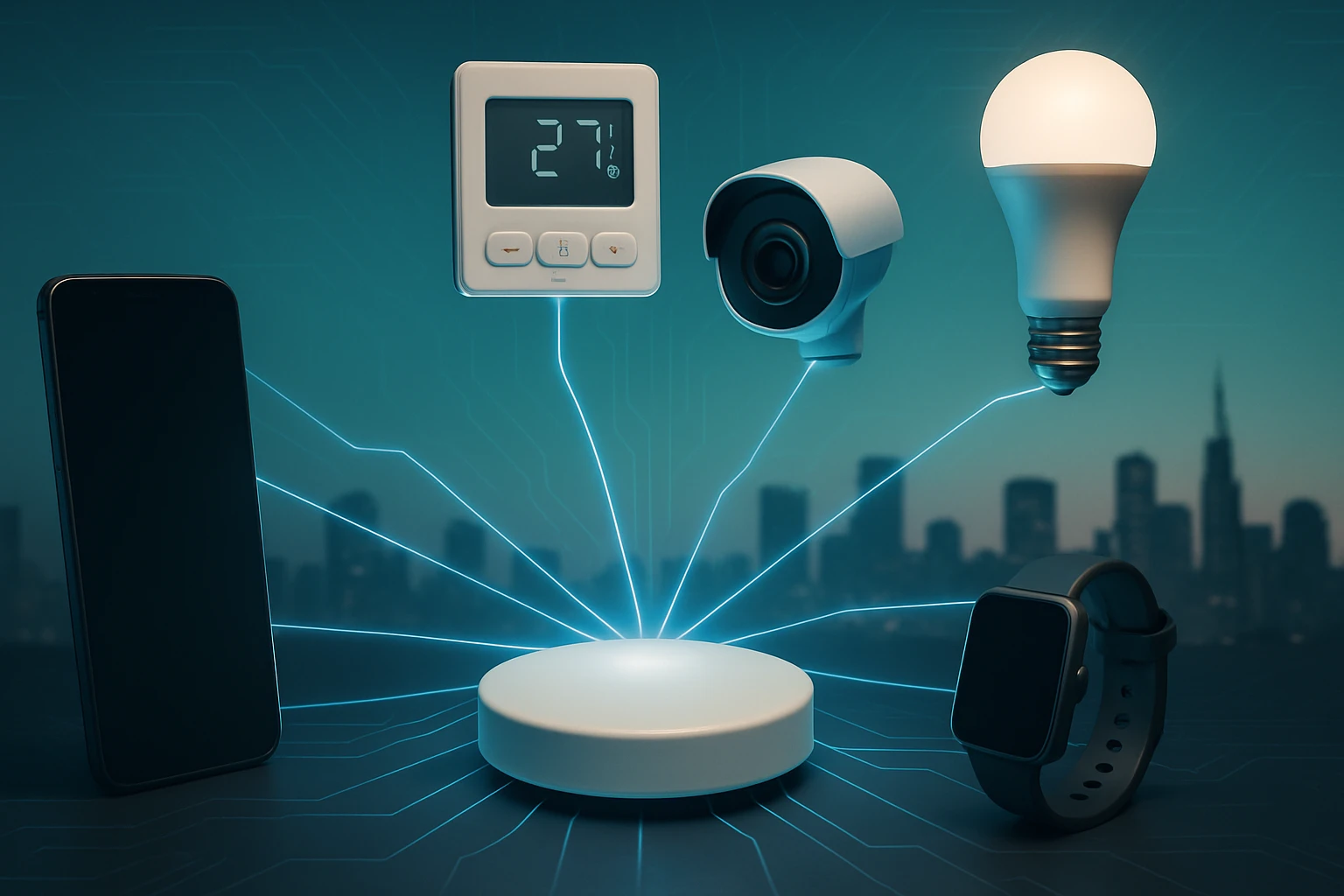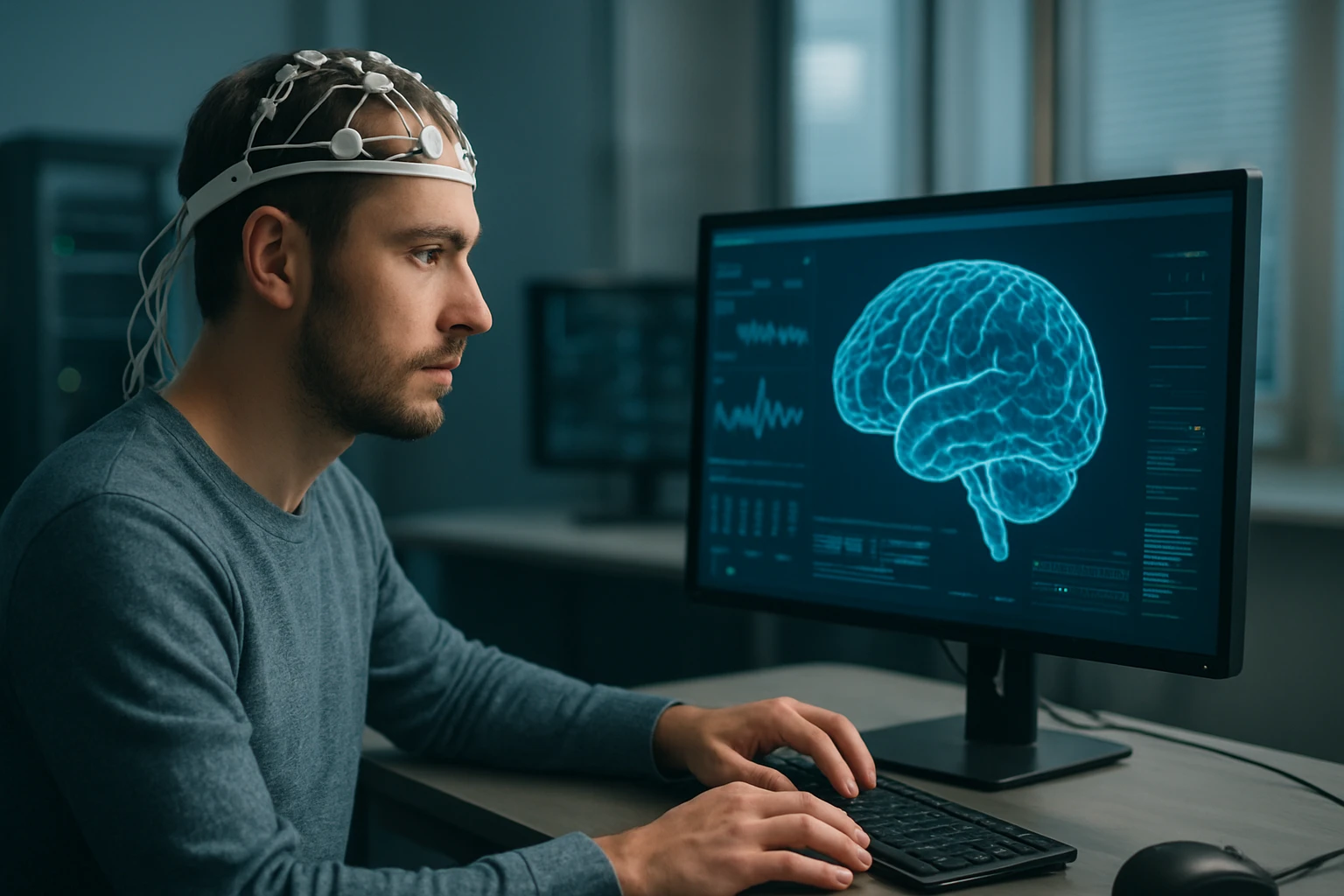


The technological landscape continues to evolve at an unprecedented pace, and understanding the nuances between emerging paradigms has become crucial for anyone navigating this digital transformation. The Internet of Everything (IoE) and Internet of Things (IoT) represent two interconnected yet distinct concepts that are reshaping how we interact with technology, conduct business, and live our daily lives. While these terms are often used interchangeably, they represent different scales and philosophies of connectivity that deserve careful examination.
The Internet of Things focuses primarily on connecting physical devices and objects to the internet, enabling them to collect and exchange data. The Internet of Everything, however, expands this concept to encompass a more comprehensive ecosystem that includes people, processes, data, and things working together in an intelligent network. This broader perspective represents an evolution in thinking about connectivity and digital transformation.
Throughout this exploration, you'll discover the fundamental differences between these two paradigms, understand their unique characteristics, and learn how they complement each other in creating smarter, more efficient systems. We'll examine real-world applications, analyze the technical infrastructure required for each approach, and explore the implications for businesses and individuals alike. By the end, you'll have a clear understanding of when to leverage IoT solutions versus IoE strategies, and how these technologies are shaping our connected future.
Understanding the Internet of Things (IoT)
The Internet of Things represents the foundational layer of our connected world, focusing on the network of physical devices embedded with sensors, software, and connectivity capabilities. These devices can range from simple temperature sensors to complex industrial machinery, all designed to collect and transmit data without human intervention.
IoT devices operate on the principle of machine-to-machine communication, where sensors gather environmental data and transmit it to centralized systems for processing and analysis. This creates valuable insights that can improve efficiency, reduce costs, and enhance user experiences across various industries.
Core Components of IoT Systems
The IoT ecosystem consists of several essential elements that work together to create functional smart systems:
• Sensors and Actuators: Hardware components that detect environmental changes and respond accordingly
• Connectivity Protocols: Communication standards like WiFi, Bluetooth, Zigbee, and cellular networks
• Data Processing Units: Edge computing devices or cloud-based systems that analyze collected information
• User Interfaces: Applications and dashboards that present data in actionable formats
• Security Frameworks: Protection mechanisms to safeguard data transmission and device integrity
Modern IoT implementations leverage various connectivity options depending on the specific use case and environmental constraints. Low-power wide-area networks (LPWAN) have become particularly important for applications requiring long-range communication with minimal energy consumption.
"The true power of connected devices lies not in their individual capabilities, but in their collective ability to create intelligent systems that adapt and respond to changing conditions."
IoT Applications Across Industries
The practical applications of IoT technology span numerous sectors, each leveraging connected devices to solve specific challenges and improve operational efficiency.
Smart Home Technology represents one of the most visible IoT implementations, with devices like smart thermostats, security cameras, and voice assistants becoming commonplace. These systems learn user preferences and automate routine tasks to enhance comfort and security.
Industrial IoT (IIoT) focuses on manufacturing and industrial processes, using sensors to monitor equipment performance, predict maintenance needs, and optimize production workflows. This approach has revolutionized traditional manufacturing by introducing predictive analytics and real-time monitoring capabilities.
Healthcare IoT devices monitor patient vital signs, track medication adherence, and enable remote patient monitoring. Wearable devices and implantable sensors provide continuous health data that can alert healthcare providers to potential issues before they become critical.
| IoT Application Domain | Primary Benefits | Common Devices |
|---|---|---|
| Smart Cities | Traffic optimization, energy efficiency | Traffic sensors, smart lighting, air quality monitors |
| Agriculture | Precision farming, resource conservation | Soil sensors, weather stations, automated irrigation |
| Retail | Inventory management, customer analytics | RFID tags, beacon technology, smart shelves |
| Transportation | Fleet management, predictive maintenance | GPS trackers, engine sensors, fuel monitors |
Exploring the Internet of Everything (IoE)
The Internet of Everything extends beyond the device-centric approach of IoT to create a more holistic ecosystem that integrates people, processes, data, and things into a unified network. This comprehensive framework recognizes that true digital transformation requires more than just connected devices—it demands intelligent orchestration of all network elements.
IoE represents a paradigm shift from simple connectivity to intelligent connectivity, where the network itself becomes capable of learning, adapting, and making autonomous decisions based on complex data relationships and user behaviors.
The Four Pillars of IoE
Understanding IoE requires examining its four fundamental components that work synergistically to create value:
People represent the human element within the IoE ecosystem, connecting individuals through social networks, mobile devices, and wearable technology. This pillar focuses on enhancing human experiences and enabling more meaningful interactions between people and their digital environment.
Process encompasses the business logic and workflows that govern how people, data, and things interact within the network. Intelligent processes can adapt and optimize themselves based on real-time conditions and historical patterns.
Data serves as the fuel that powers IoE systems, providing the insights necessary for intelligent decision-making. The focus shifts from simply collecting data to transforming it into actionable intelligence that drives value creation.
Things include all physical devices and objects within the network, similar to IoT but with enhanced intelligence and integration capabilities that enable more sophisticated interactions and autonomous behaviors.
IoE Value Creation Model
The Internet of Everything creates value through the intelligent combination of its four pillars, generating outcomes that exceed the sum of individual components. This network effect multiplies value as more elements join the ecosystem and contribute their unique capabilities.
"When people, processes, data, and things work together intelligently, they create exponential value that transforms entire industries and ways of life."
Enhanced Decision Making emerges from the comprehensive data analysis and real-time insights provided by IoE systems. Organizations can make more informed decisions based on complete situational awareness rather than isolated data points.
Improved Experiences result from personalized interactions that adapt to individual preferences and behaviors. IoE systems learn from user interactions and continuously refine their responses to deliver more relevant and valuable experiences.
Operational Efficiency increases as processes become self-optimizing and resources are allocated more intelligently based on real-time demand and predictive analytics.
Key Differences Between IoT and IoE
While IoT and IoE share common technological foundations, they differ significantly in scope, complexity, and strategic approach to connectivity and value creation.
Scope and Scale Differences
IoT primarily focuses on device connectivity and data collection from physical objects, creating networks of smart devices that can communicate and share information. The scope remains largely technical, concentrating on sensor deployment, data transmission, and basic automation capabilities.
IoE encompasses a much broader scope that includes human interactions, business processes, and intelligent data analytics alongside device connectivity. This comprehensive approach creates more complex but potentially more valuable ecosystems that can adapt and evolve based on multiple input sources.
The scale differences become apparent when examining implementation complexity and resource requirements. IoT projects can often be deployed incrementally, focusing on specific use cases or device categories. IoE initiatives typically require more comprehensive planning and integration across multiple organizational functions.
Architectural Complexity
IoT Architecture follows a relatively straightforward model with devices connecting to networks, transmitting data to processing systems, and presenting results through user interfaces. The architecture emphasizes reliability, scalability, and security within a device-centric framework.
IoE Architecture requires more sophisticated integration capabilities that can handle diverse data sources, complex process workflows, and dynamic user interactions. The architecture must support machine learning, artificial intelligence, and advanced analytics to deliver intelligent connectivity.
| Aspect | IoT Approach | IoE Approach |
|---|---|---|
| Primary Focus | Device connectivity | Holistic ecosystem integration |
| Data Strategy | Collection and transmission | Intelligence and action |
| User Interaction | Limited, device-specific | Comprehensive, experience-focused |
| Process Integration | Basic automation | Intelligent orchestration |
| Value Creation | Operational efficiency | Transformational outcomes |
Implementation Strategies
IoT implementations typically follow a bottom-up approach, starting with specific devices or use cases and gradually expanding the network. This strategy allows organizations to demonstrate value quickly and learn from early deployments before scaling up.
IoE implementations require a top-down strategic approach that considers the entire ecosystem from the beginning. Organizations must plan for integration across people, processes, data, and things, requiring more comprehensive change management and organizational alignment.
"The difference between connecting things and creating intelligent ecosystems lies in the strategic vision and architectural approach organizations choose to pursue."
Technical Infrastructure Requirements
The technical infrastructure supporting IoT and IoE systems requires careful consideration of connectivity, processing power, security, and scalability requirements that vary significantly between these two approaches.
Connectivity and Communication Protocols
IoT systems rely on established communication protocols that prioritize reliability and energy efficiency for device-to-device and device-to-cloud communications. Common protocols include MQTT for lightweight messaging, CoAP for constrained environments, and HTTP/HTTPS for web-based integrations.
IoE systems require more sophisticated communication capabilities that can handle diverse data types, real-time interactions, and complex routing requirements. These systems often implement software-defined networking (SDN) and network function virtualization to create more flexible and adaptive communication infrastructures.
Edge Computing plays a crucial role in both IoT and IoE implementations, but with different emphasis and complexity levels. IoT edge computing focuses primarily on reducing latency and bandwidth requirements for device communications. IoE edge computing must support more complex processing requirements, including artificial intelligence and machine learning capabilities at the network edge.
Data Processing and Analytics
IoT data processing typically follows traditional patterns of collection, transmission, storage, and analysis. The focus remains on extracting insights from device-generated data to improve operational efficiency and enable basic automation.
IoE data processing requires more advanced capabilities that can correlate information from multiple sources, including human interactions, process metrics, and device telemetry. This comprehensive approach demands real-time analytics and predictive modeling capabilities that can identify patterns and opportunities across the entire ecosystem.
Cloud Integration strategies differ between IoT and IoE implementations. IoT systems often utilize cloud services primarily for data storage and basic analytics, while IoE systems leverage cloud capabilities for advanced machine learning, artificial intelligence, and complex process orchestration.
Security and Privacy Considerations
Security requirements for IoT systems focus primarily on device authentication, data encryption, and network protection. The relatively straightforward architecture simplifies security implementation but requires careful attention to device lifecycle management and firmware updates.
IoE security presents more complex challenges due to the integration of people, processes, and data alongside connected devices. Security frameworks must address identity management, process integrity, and data privacy across multiple touchpoints and interaction models.
"Security in connected ecosystems requires a holistic approach that protects not just devices and data, but the entire network of relationships and interactions that create value."
Privacy Protection becomes more critical in IoE implementations due to the increased collection and analysis of human behavioral data. Organizations must implement comprehensive privacy frameworks that comply with regulations while enabling the intelligent connectivity that drives IoE value creation.
Business Applications and Use Cases
The practical implementation of IoT and IoE technologies across various business contexts demonstrates their distinct value propositions and strategic implications for organizations seeking digital transformation.
IoT Business Applications
Supply Chain Optimization leverages IoT sensors to track shipments, monitor environmental conditions, and provide real-time visibility into logistics operations. Companies can reduce waste, improve delivery accuracy, and respond quickly to disruptions using connected tracking devices and environmental sensors.
Predictive Maintenance programs use IoT sensors to monitor equipment performance and predict failure patterns before they result in costly downtime. Manufacturing companies have achieved significant cost savings by transitioning from scheduled maintenance to condition-based maintenance strategies.
Energy Management systems employ IoT devices to monitor and control energy consumption across facilities, identifying optimization opportunities and reducing operational costs. Smart meters and building automation systems provide granular visibility into energy usage patterns.
IoE Business Transformations
Customer Experience Enhancement represents a key area where IoE creates significant value by integrating customer interactions, business processes, and operational data to deliver personalized experiences. Retail organizations use IoE to create omnichannel experiences that adapt to individual customer preferences and behaviors.
Intelligent Operations emerge when organizations integrate people, processes, data, and things to create self-optimizing business systems. These implementations go beyond simple automation to create adaptive operations that can respond to changing conditions and opportunities.
New Business Models become possible through IoE implementations that create entirely new value propositions and revenue streams. Service-based models replace traditional product sales as organizations can monitor usage patterns and deliver value through ongoing optimization and support.
"The transformation from selling products to delivering outcomes requires the comprehensive connectivity and intelligence that only IoE can provide."
Industry-Specific Implementations
Different industries leverage IoT and IoE technologies in unique ways that reflect their specific challenges and opportunities:
Healthcare organizations use IoT for remote patient monitoring and medical device management, while IoE implementations create comprehensive care coordination systems that integrate patient data, clinical processes, and care team communications.
Manufacturing companies implement IoT for equipment monitoring and quality control, while IoE creates smart factories that integrate production data, worker interactions, and supply chain information to optimize entire manufacturing ecosystems.
Smart Cities utilize IoT for infrastructure monitoring and basic automation, while IoE implementations create comprehensive urban management systems that integrate citizen services, traffic management, energy systems, and emergency response capabilities.
Future Trends and Evolution
The continued evolution of IoT and IoE technologies promises significant advancements in capability, accessibility, and value creation as supporting technologies mature and new use cases emerge.
Technological Advancement Drivers
Artificial Intelligence Integration continues to enhance both IoT and IoE capabilities, enabling more sophisticated data analysis, predictive capabilities, and autonomous decision-making. Machine learning algorithms can identify patterns and optimize operations in ways that were previously impossible with traditional programming approaches.
5G Network Deployment provides the high-speed, low-latency connectivity required for advanced IoT and IoE applications. The enhanced bandwidth and reduced latency enable real-time applications that were not feasible with previous network technologies.
Edge Computing Evolution brings more processing power closer to data sources, reducing latency and enabling more sophisticated local decision-making. This trend supports both IoT device intelligence and IoE ecosystem responsiveness.
Market Growth Projections
The IoT market continues to expand rapidly, with billions of new devices expected to come online in the coming years. This growth creates opportunities for more comprehensive IoE implementations as the installed base of connected devices provides the foundation for broader ecosystem integration.
Industry Adoption Patterns show increasing recognition of the value proposition offered by comprehensive IoE approaches compared to isolated IoT implementations. Organizations are beginning to plan for ecosystem-level transformations rather than point solutions.
Investment Trends indicate growing interest in platforms and solutions that can support both IoT and IoE implementations, reflecting market demand for scalable approaches that can evolve from device connectivity to comprehensive ecosystem integration.
"The future belongs to organizations that can envision and implement comprehensive ecosystems rather than isolated connected devices."
Emerging Challenges and Opportunities
Interoperability Standards continue to evolve as the industry recognizes the need for seamless integration across diverse devices, platforms, and ecosystems. Standardization efforts focus on creating frameworks that support both IoT device integration and IoE ecosystem orchestration.
Skills Development requirements are changing as organizations need professionals who understand both technical implementation and strategic ecosystem design. The complexity of IoE implementations demands interdisciplinary expertise that combines technical knowledge with business process understanding.
Regulatory Evolution addresses privacy, security, and safety concerns as connected systems become more pervasive and influential in daily life. Regulations must balance innovation encouragement with protection of individual rights and system integrity.
Implementation Best Practices
Successful deployment of IoT and IoE solutions requires careful planning, strategic thinking, and systematic execution that addresses both technical and organizational challenges.
Strategic Planning Considerations
Business Case Development should clearly articulate the value proposition and expected outcomes for IoT or IoE implementations. Organizations must understand whether their goals are best served by device connectivity (IoT) or comprehensive ecosystem integration (IoE) to select appropriate strategies and technologies.
Stakeholder Alignment becomes critical for IoE implementations that affect multiple organizational functions and external partners. Successful projects require buy-in and active participation from all ecosystem participants to achieve desired outcomes.
Phased Implementation Approaches allow organizations to build capability incrementally while demonstrating value and learning from early deployments. IoT projects can often start with pilot implementations, while IoE initiatives may require more comprehensive planning from the beginning.
Technical Implementation Guidelines
Architecture Design should prioritize scalability, security, and interoperability from the initial planning stages. Organizations should select platforms and technologies that can support growth and evolution as requirements change and new opportunities emerge.
Data Management Strategies must address collection, storage, processing, and governance requirements throughout the system lifecycle. IoE implementations require more sophisticated data strategies that can handle diverse data types and complex analytical requirements.
Security Integration should be built into the system architecture rather than added as an afterthought. Both IoT and IoE implementations require comprehensive security frameworks that protect devices, data, and communications throughout the ecosystem.
"Success in connected ecosystems requires balancing technical excellence with strategic vision and organizational readiness for change."
Organizational Change Management
Skills Development Programs should prepare teams for the technical and strategic challenges of IoT and IoE implementations. Organizations need professionals who can work across traditional boundaries to create integrated solutions.
Process Integration requires careful attention to how connected systems will interact with existing business processes and workflows. IoE implementations particularly require process redesign to take advantage of intelligent connectivity capabilities.
Performance Measurement frameworks should track both technical metrics (device performance, data quality) and business outcomes (efficiency improvements, cost reductions, customer satisfaction) to demonstrate value and guide optimization efforts.
What is the main difference between IoT and IoE?
The main difference lies in scope and approach. IoT focuses on connecting physical devices to collect and exchange data, while IoE creates a comprehensive ecosystem that integrates people, processes, data, and things to deliver intelligent connectivity and transformational outcomes.
Can IoT evolve into IoE over time?
Yes, IoT implementations can serve as the foundation for IoE evolution. Organizations often start with device connectivity and gradually expand to include people, processes, and advanced analytics to create more comprehensive ecosystems.
Which approach is better for small businesses?
Small businesses typically benefit from starting with focused IoT implementations that address specific operational challenges. As they gain experience and see value, they can expand toward IoE approaches that integrate broader business processes.
What are the security differences between IoT and IoE?
IoT security focuses primarily on device protection and data transmission security. IoE security requires more comprehensive frameworks that address identity management, process integrity, and privacy protection across multiple touchpoints and interaction models.
How do implementation costs compare between IoT and IoE?
IoT implementations typically have lower initial costs and can be deployed incrementally. IoE implementations require more significant upfront investment due to their comprehensive scope but can deliver greater transformational value and return on investment.
What skills are needed for IoT vs IoE projects?
IoT projects primarily require technical skills in device management, networking, and basic data analytics. IoE projects need interdisciplinary expertise that combines technical knowledge with business process understanding, change management, and strategic planning capabilities.