
Software is the invisible engine that powers every digital experience, turning hardware into something truly functional. It includes everything from operating systems and productivity apps to complex enterprise platforms and creative tools. In this category, you’ll learn how software is designed, developed, and optimized for performance. We explore coding principles, system integration, and the evolving landscape of AI-driven applications. Whether you’re a beginner or an IT professional, this section helps you understand what really happens behind the screen.


Denormalization stores redundant data to reduce joins and speed up reads, improving…


Microsoft Power BI is a business intelligence platform that transforms data into…

A PST (Personal Storage Table) file stores Outlook data—emails, contacts, calendar entries…
Discover how large language models (LLMs) work: neural networks trained on massive…

Double-click: quickly press a mouse button twice to open files, launch programs,…

Explore how the Capability Maturity Model (CMM) guides software organizations to improve…

Explore iteration in programming: what loops and recursion do, when to use…

CSSLP certification validates expertise in secure software lifecycle practices—design, development, testing and…

End-to-end testing validates full user journeys across systems, catching integration issues before…

VHD (Virtual Hard Disk) is a file format that emulates a physical…

Obfuscation converts readable code into a functionally identical but hard-to-read form to…

CDMI enables interoperable cloud data management: standardized access, metadata and governance for…

Microsoft System Center 2012 centralizes management of servers, clients and cloud resources,…

The Common Information Model (CIM) standardizes power industry data models, enabling interoperability,…

Cross-browser testing ensures consistent functionality and appearance across browsers and devices. Learn…
An OST file (Offline Storage Table) stores a synchronized copy of your…

Java Servlets power web servers by handling HTTP requests and responses, managing…

VCB Proxy (VMware Consolidated Backup) offloads snapshot creation, data collection and transfer…

Explore word processing software: its objectives (create, edit, format, and collaborate on…

Portable software runs from USB drives or cloud folders without installation, keeping…

Application platforms and frameworks provide reusable structures, libraries, and tools that speed…

Learn what PUPs (Potentially Unwanted Programs) are, how they differ from malware,…

Deprovisioning ensures secure, timely revocation of user access at offboarding or role…
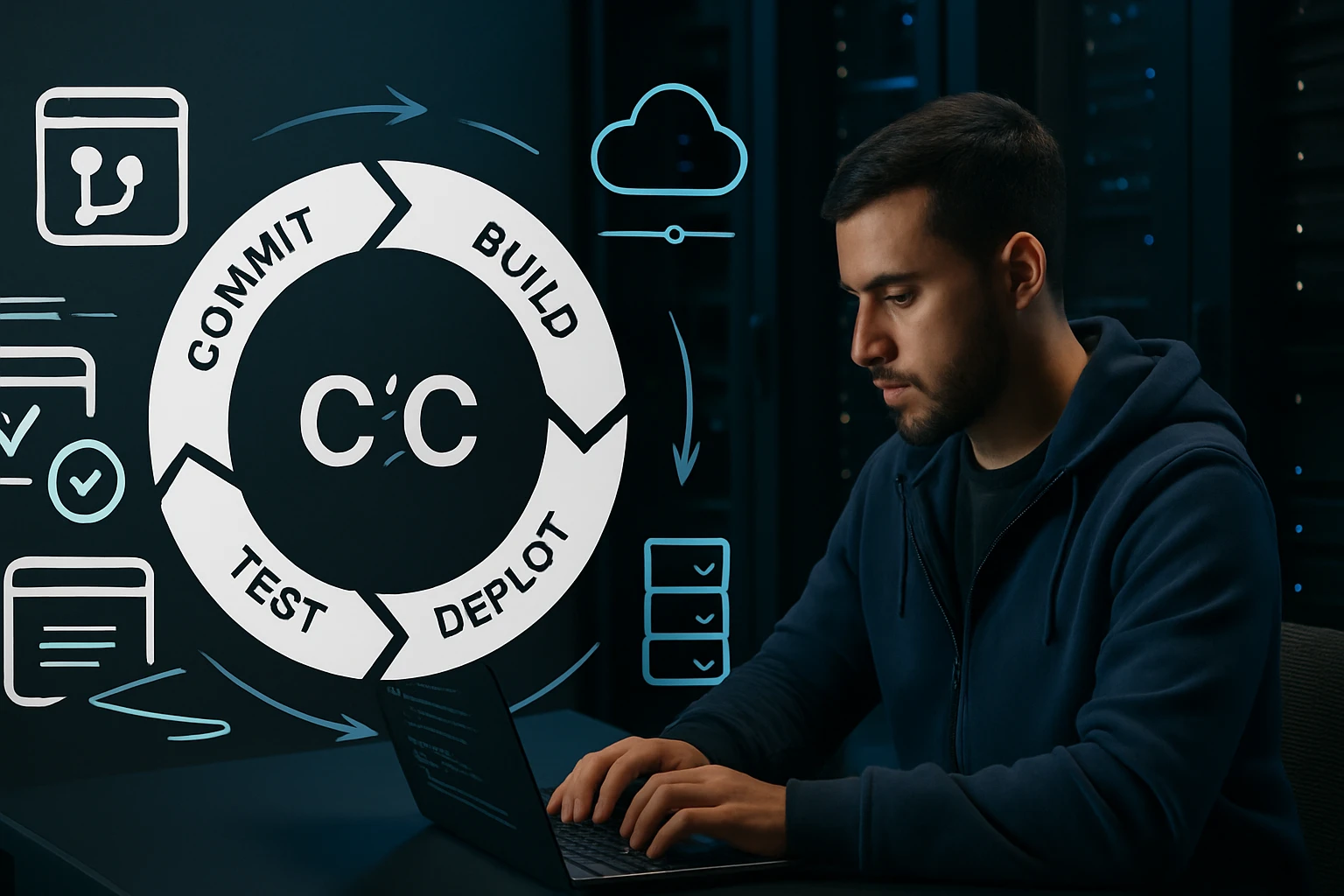
Continuous Deployment accelerates releases by automating build, test, and release pipelines—reducing manual…