
Software is the invisible engine that powers every digital experience, turning hardware into something truly functional. It includes everything from operating systems and productivity apps to complex enterprise platforms and creative tools. In this category, you’ll learn how software is designed, developed, and optimized for performance. We explore coding principles, system integration, and the evolving landscape of AI-driven applications. Whether you’re a beginner or an IT professional, this section helps you understand what really happens behind the screen.


IT4IT Reference Architecture delivers a standard IT value-chain framework to manage services…


AutoRABIT is a Salesforce-focused DevOps suite that automates CI/CD, version control, metadata…

Beat programming stagnation: understand its causes, refresh your skills with projects, seek…

Explore core programming concepts—from variables and control flow to design patterns and…

Chaos Engineering uses controlled experiments to reveal weaknesses before they cause outages.…

Understanding the purpose and function of adversarial machine learning helps practitioners defend…

A software development toolkit (SDK) bundles tools, libraries, and documentation to streamline…

Explore the Waterfall model: a linear SDLC approach with sequential phases from…

Software piracy in 2025: unauthorized copying, distribution, or use of software can…

Discover what a swap file is, how it extends RAM to prevent…

The Agile Manifesto champions individuals and interactions, working software, customer collaboration, and…

An EXE file is a Windows executable containing machine code, resources, and…

Discover how Applicant Tracking Systems streamline hiring—automating resume screening, improving candidate matching,…

Explore the paste operation: how it inserts clipboard content into documents, preserves…

Named Entity Recognition (NER) identifies and classifies entities (people, organizations, places, dates)…
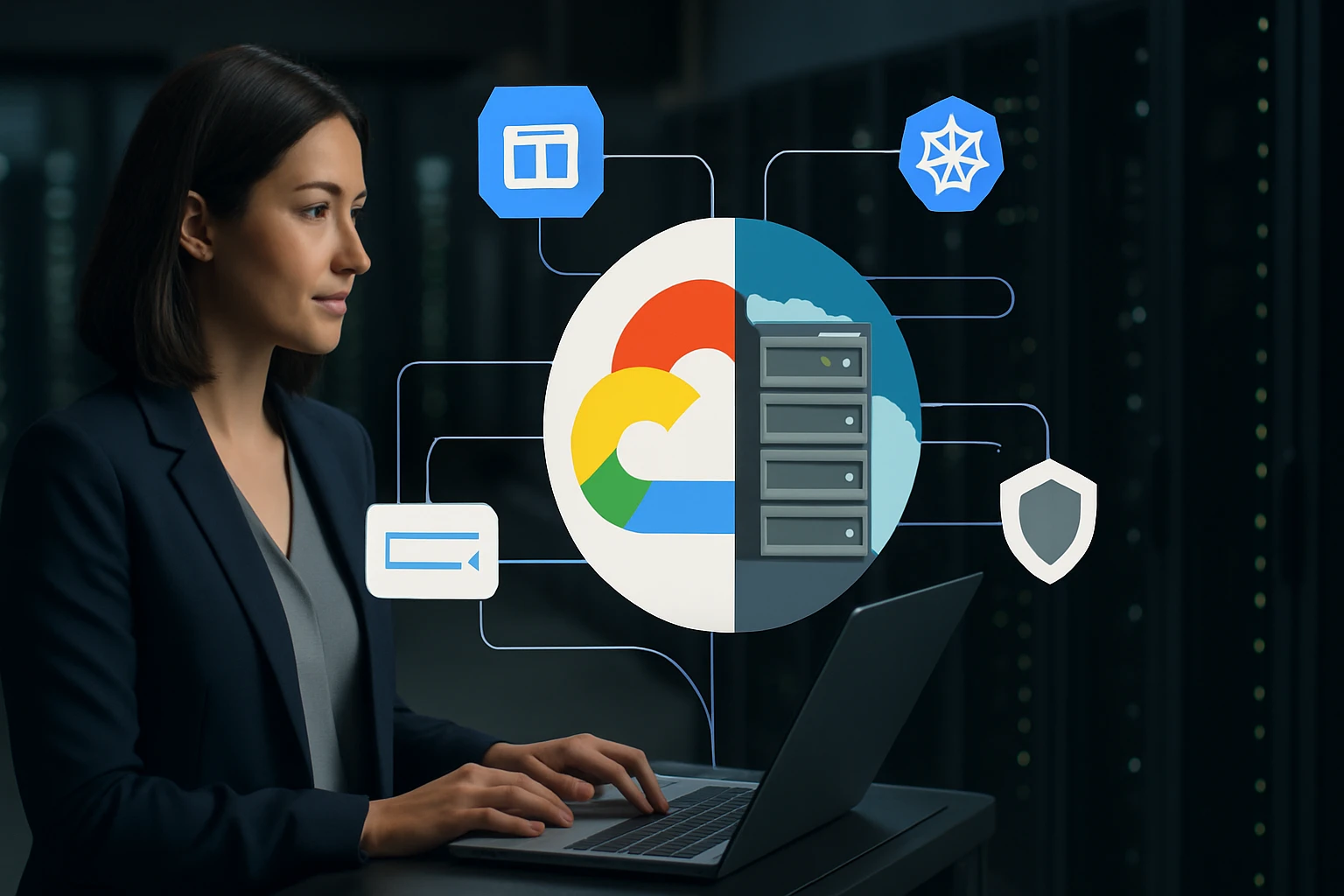
Google Cloud Anthos enables consistent, secure hybrid and multi-cloud container management, modernizing…

Multitasking in operating systems enables multiple processes or threads to share CPU…

Learn how ghost imaging creates exact disk images for backup, deployment, and…
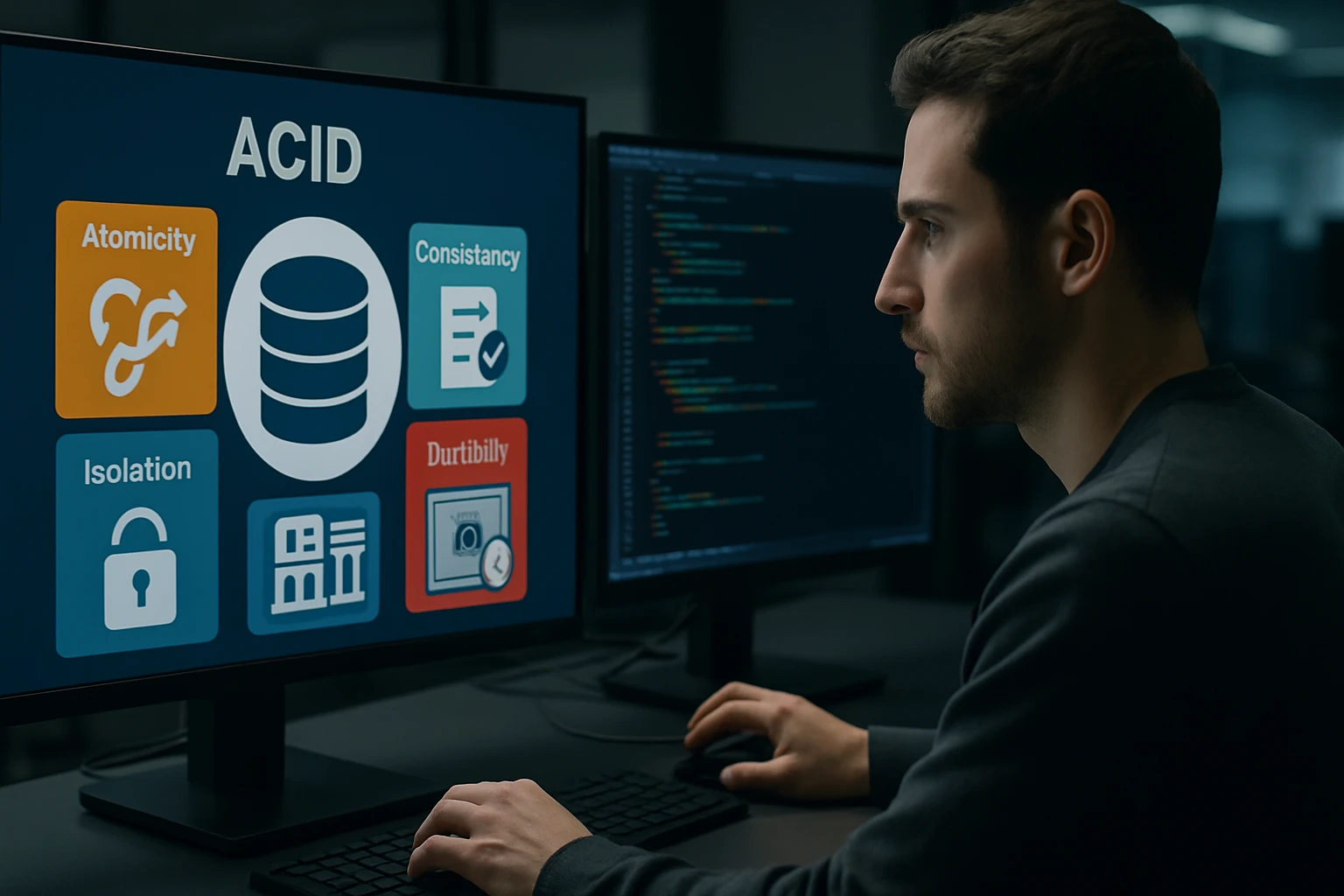
ACID ensures reliable database transactions: Atomicity (all-or-nothing), Consistency (rules preserved), Isolation (transactions…

User Acceptance Testing (UAT) validates software meets business needs by having end…

Explore SAP ERP—comprehensive guide to enterprise resource planning, core modules, integration, and…

ebXML provides XML-based standards for secure, interoperable electronic business data exchange, defining…

LZW compression efficiently reduces file size by replacing repeated data patterns with…

PACS integrates medical imaging technology to store, retrieve, display and share DICOM…