
Networking is the backbone of the digital world, enabling computers and systems to communicate seamlessly. This category explains how data travels through routers, switches, and cables to create reliable connections across local and global networks. You’ll learn about network design, protocols, wireless technologies, and security essentials. Understanding networking helps you see how every online interaction, from emails to cloud services, depends on strong infrastructure. It’s the unseen framework that keeps the Internet alive and connected.


A MANET (Mobile Ad Hoc Network) is a self-configuring, infrastructure-less wireless network…


Explore Shared Key Authentication (SKA) in WEP: how it works, its inherent…

Edge Network Virtualization abstracts and manages network functions at the edge, enabling…

Explore the TCP sliding window technique: a flow-control method that enables reliable,…

Wireless Intrusion Prevention Systems (WIPS) detect, prevent and mitigate unauthorized access, rogue…

MPLS (Multiprotocol Label Switching) speeds and optimizes network traffic by tagging packets…

Zigbee enables scalable, low-power wireless mesh networks for IoT, offering reliable, secure,…

Explore how SDN controllers centralize network intelligence, manage flows via southbound protocols,…

1000BASE-T defines Gigabit Ethernet over four-pair Category 5 (or better) copper, using…

Wi-Fi enables wireless data exchange using radio waves to connect devices to…

An MVNO in Hungary is a mobile provider that sells services under…

Fixed-mobile convergence unites landline and mobile networks to deliver seamless connectivity, unified…

SDLC (Synchronous Data Link Control) is a bit‑oriented protocol enabling synchronized, framed…

The Intermediate Distribution Frame (IDF) centralizes cabling and network equipment for a…

RPC over HTTP wraps remote procedure calls in HTTP requests/responses so clients…

Multipath I/O (MPIO) optimizes storage access by routing I/O across multiple paths,…

Discover DMVPN - a scalable, encrypted VPN solution that simplifies secure remote…

Network bridges connect and filter traffic between LAN segments, reducing congestion and…

Discover Cisco IOS: the network operating system that powers routing, switching, security…

CHAP (Challenge-Handshake Authentication Protocol) authenticates peers by issuing a challenge and verifying…

NPIV (N_Port ID Virtualization) allows multiple virtual WWNs on one physical Fibre…

IPX (Internetwork Packet Exchange) is a legacy network layer protocol from Novell,…
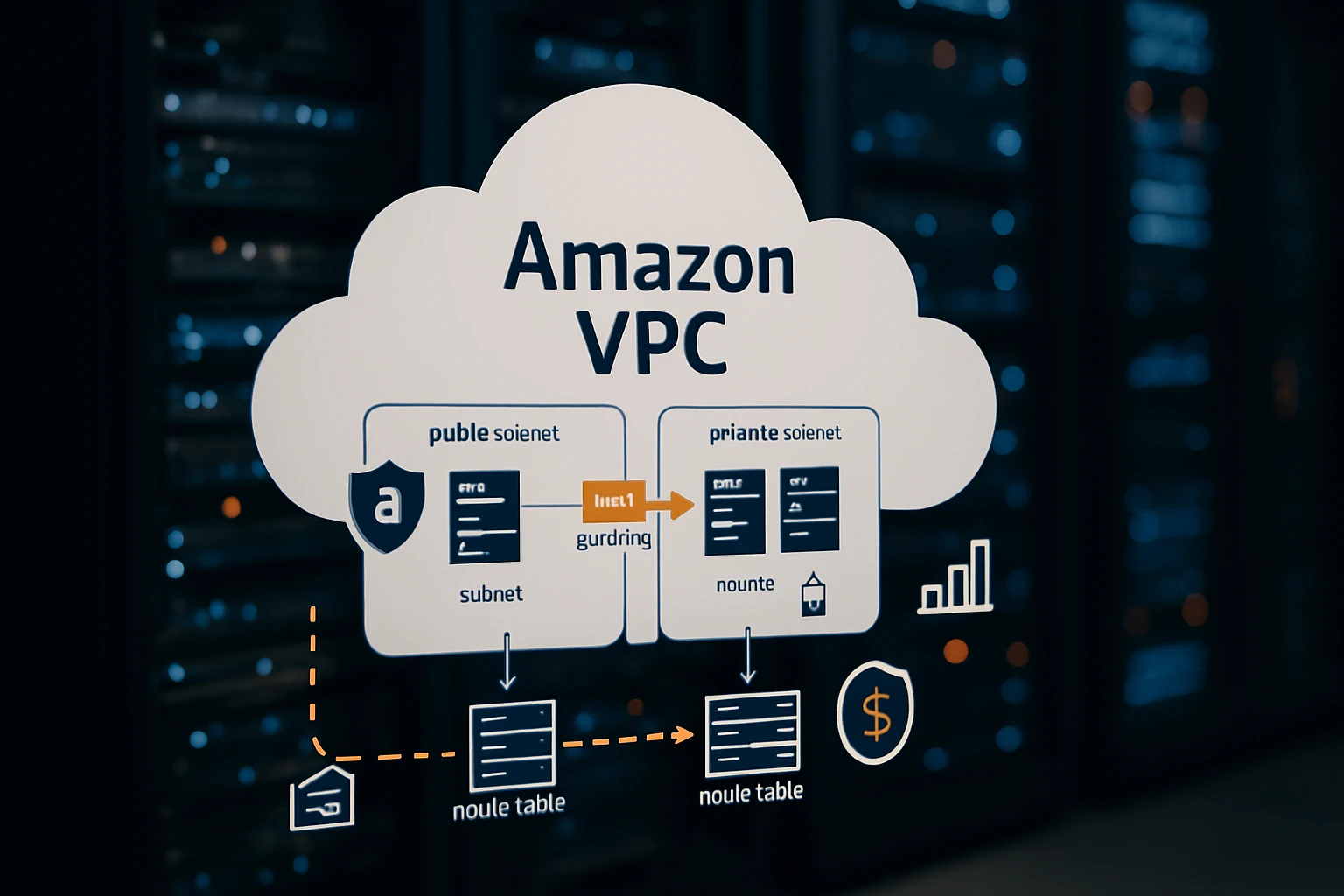
Amazon Virtual Private Cloud (VPC) lets you provision a logically isolated section…

4G delivers fast, reliable mobile internet with low latency for HD streaming,…