
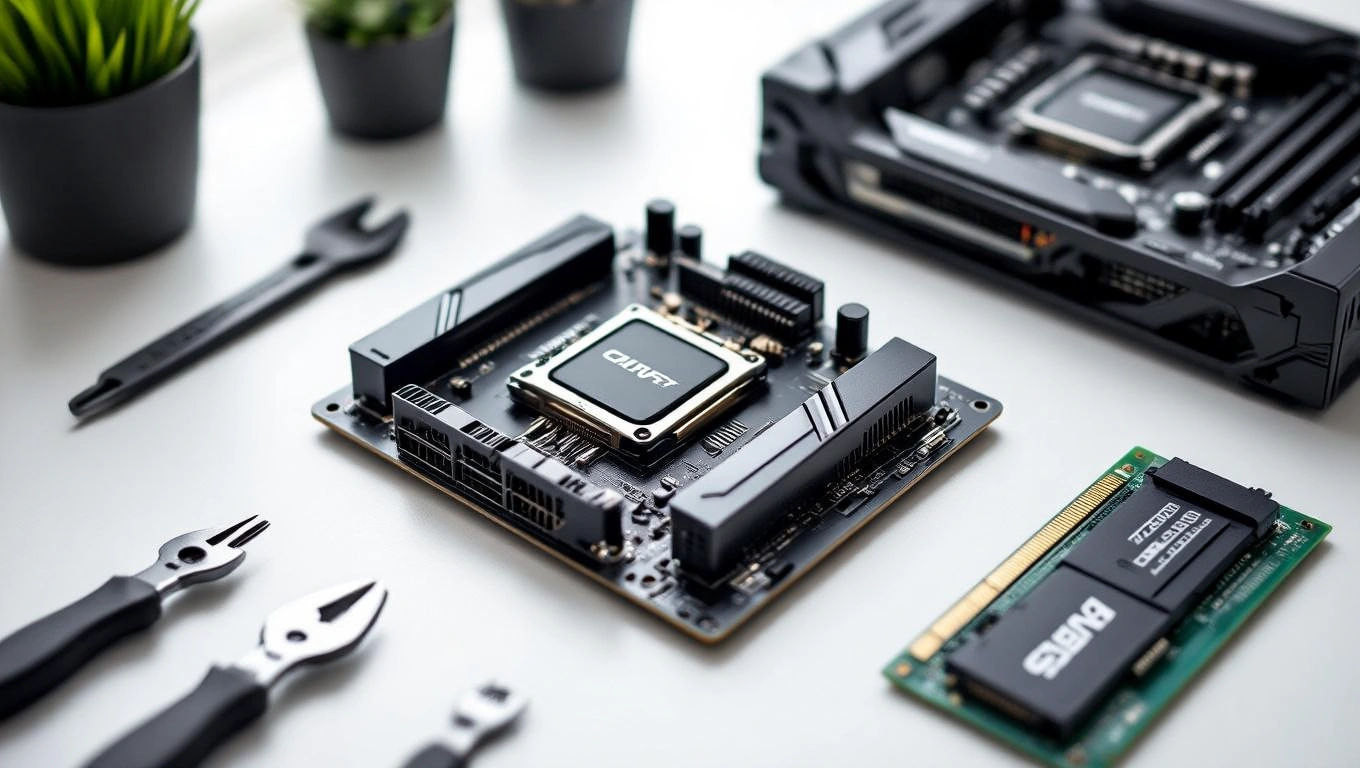
Hardware is the physical foundation of every computer system — the tangible components that make technology work. From processors and memory to hard drives, graphics cards, and peripherals, hardware determines speed, efficiency, and performance. Understanding how each part interacts helps you build, upgrade, or troubleshoot with confidence. This category explains hardware architecture in simple terms and explores how innovation drives the next generation of computing power. It’s where technical knowledge meets real-world application in the most hands-on way.
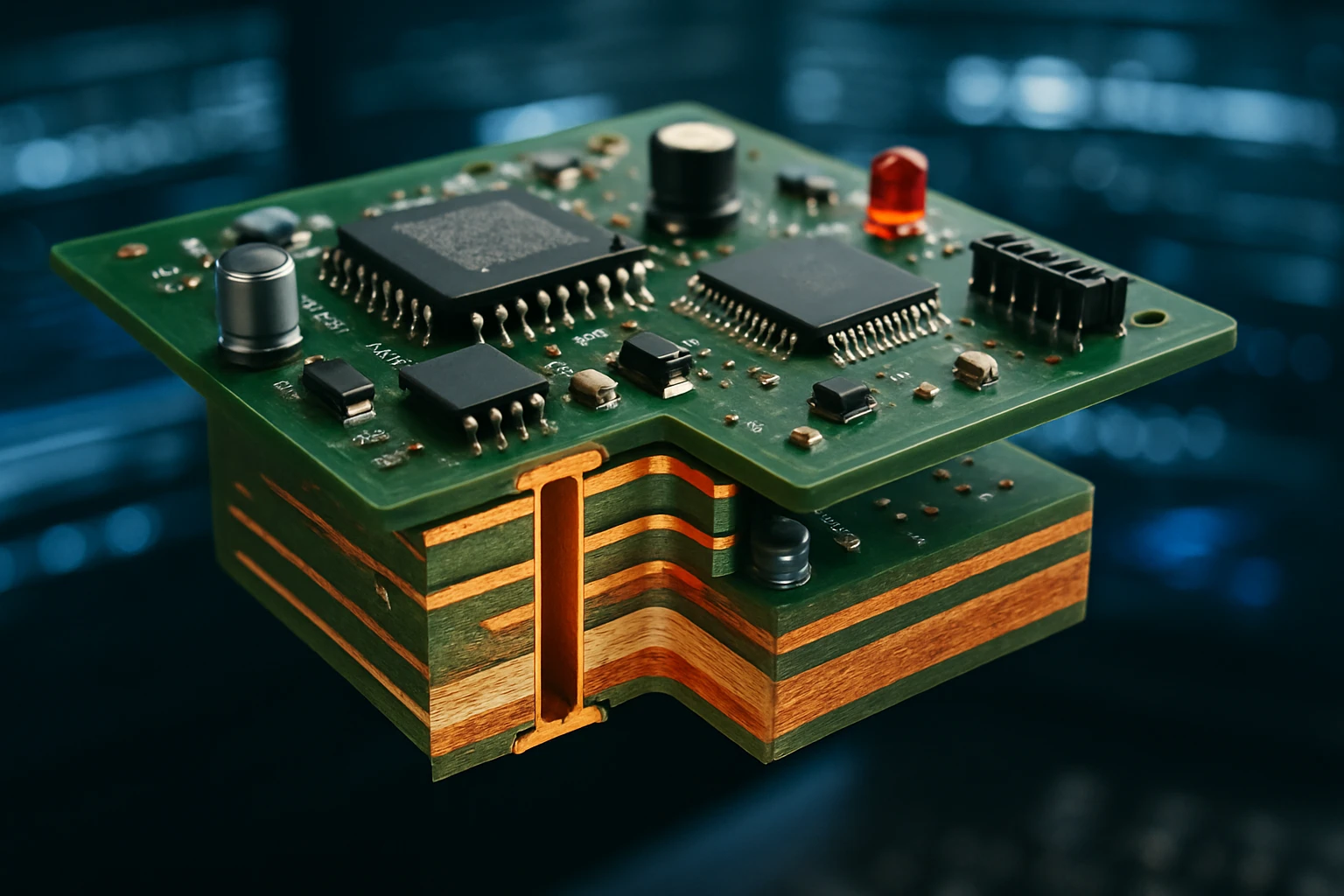
Printed Circuit Boards (PCBs) provide the structural platform and electrical connections for…


Discover how Phase-Locked Loops (PLLs) synchronize signals, stabilize frequencies, and enable communication,…

Explore the architecture and workflows of Cisco's Unified Computing System (UCS): integrated…
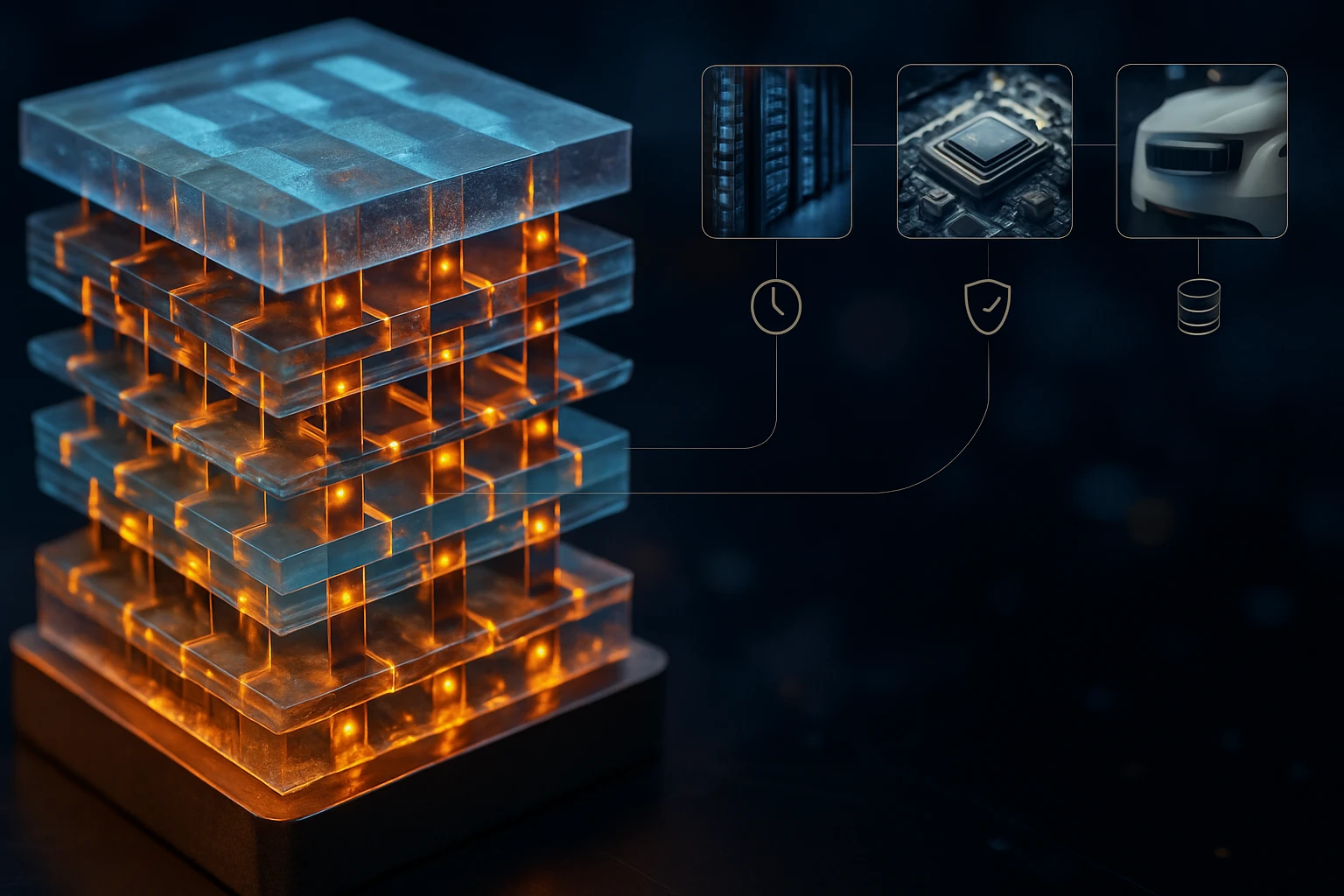
3D XPoint bridges the gap between DRAM and NAND with ultra-low latency,…
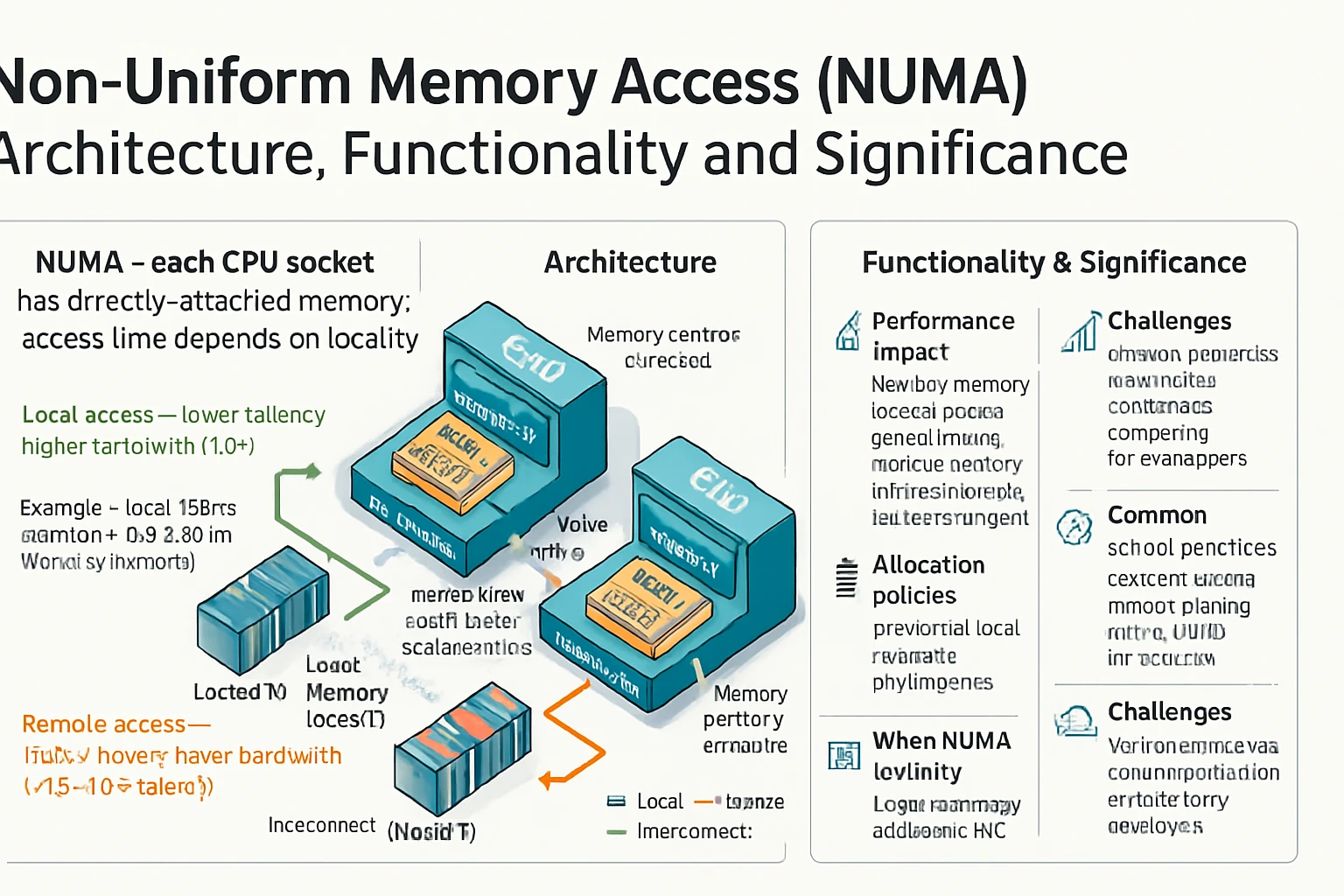
NUMA (Non-Uniform Memory Access) divides memory into processor-local nodes, boosting performance and…

Read-Only Memory (ROM) is non-volatile storage containing firmware or fixed data that…

Electromagnetic interference (EMI) is unwanted electromagnetic energy that disrupts electronic devices. Caused…
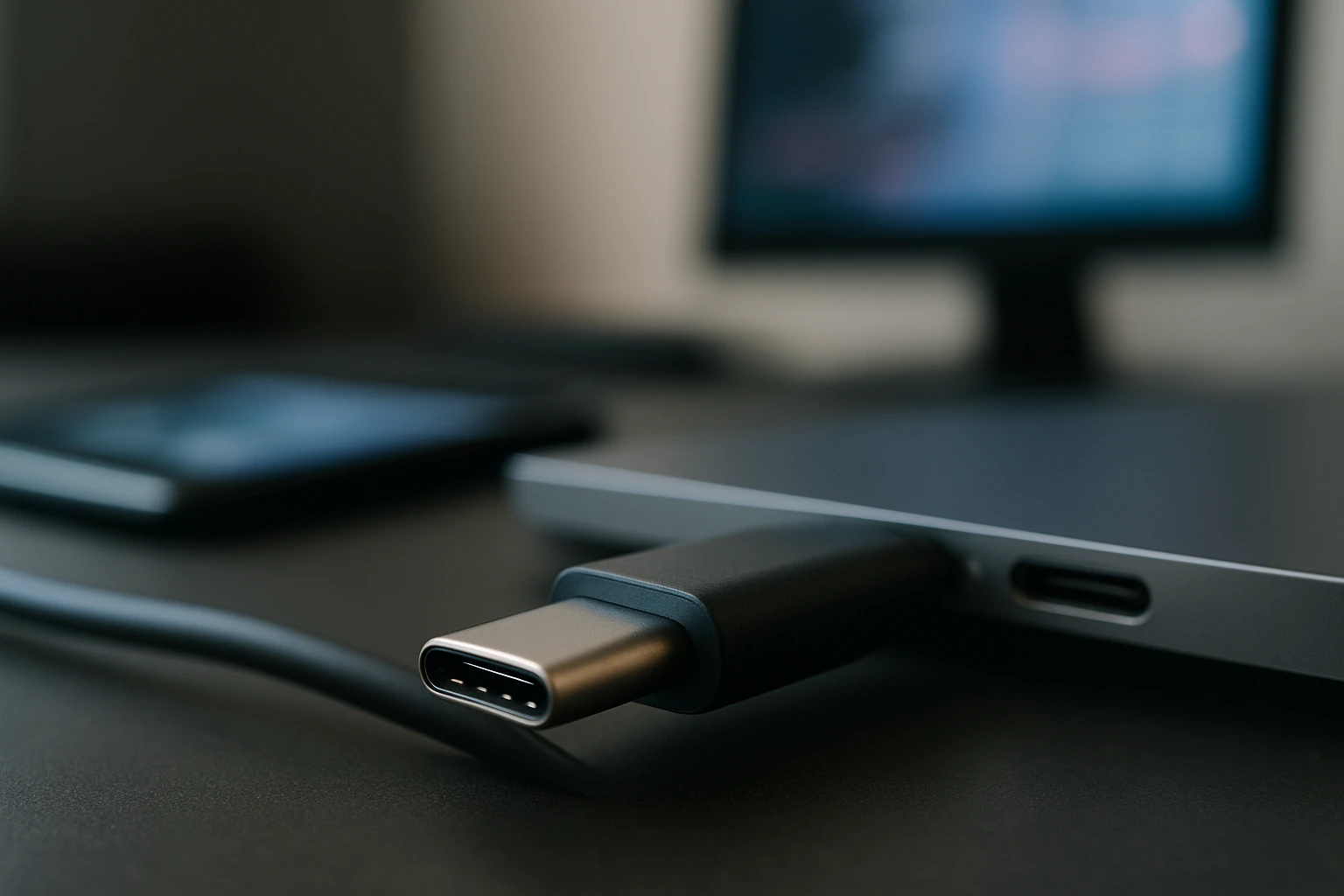
USB-C: a reversible, standardized connector delivering high-speed data, fast charging with USB…

Reactance is the frequency-dependent opposition to alternating current by capacitors and inductors,…

AGP provided a dedicated high-speed connection between graphics cards and system memory,…

Smart home hubs unify devices, automate routines, and streamline voice and app…

Smart home hubs unify devices, automate routines, and enable voice or app…

Compact mSATA SSDs deliver high-speed flash storage in a small form factor.…
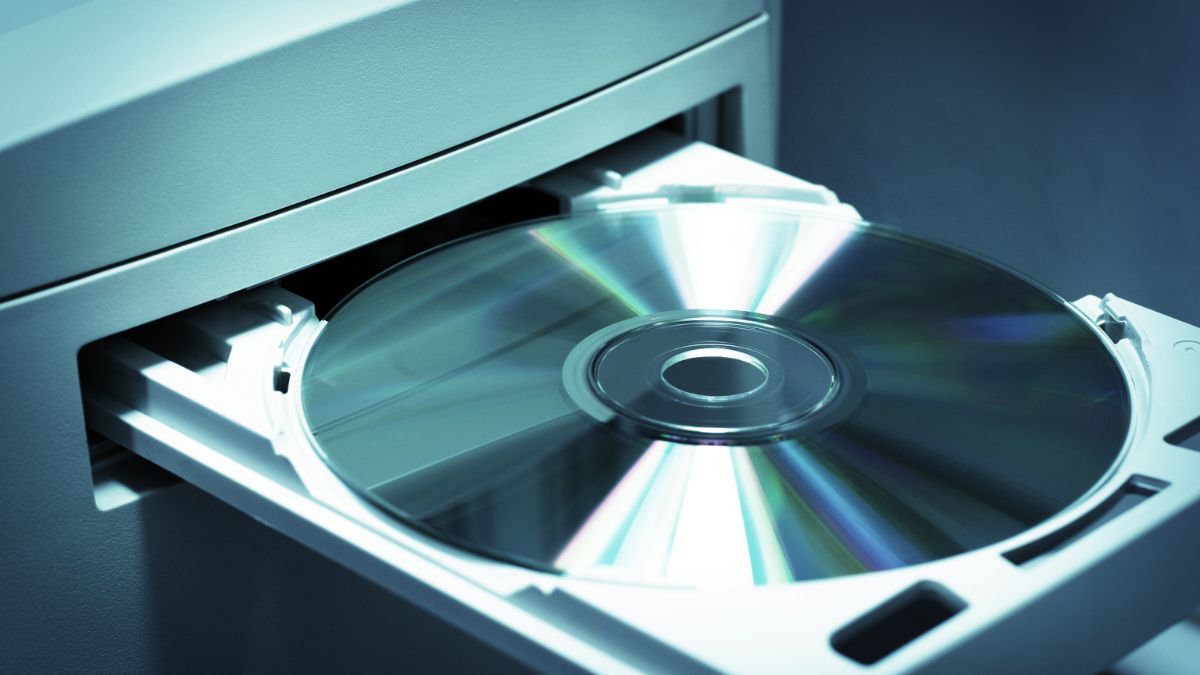
CD-ROM: a read-only optical disc (≈700 MB) for software, multimedia and data…

Air Gap: Learn how physically isolating critical systems blocks remote threats, enhances…