
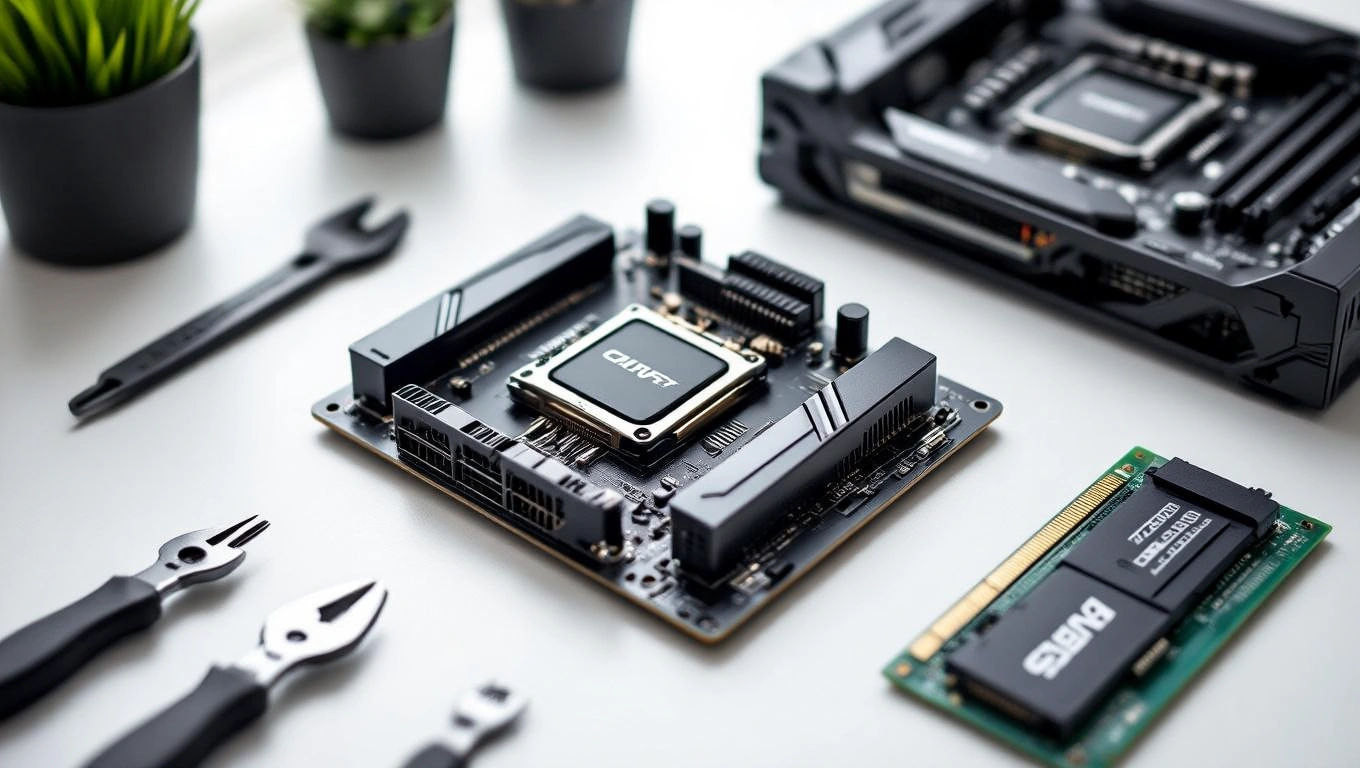
Hardware is the physical foundation of every computer system — the tangible components that make technology work. From processors and memory to hard drives, graphics cards, and peripherals, hardware determines speed, efficiency, and performance. Understanding how each part interacts helps you build, upgrade, or troubleshoot with confidence. This category explains hardware architecture in simple terms and explores how innovation drives the next generation of computing power. It’s where technical knowledge meets real-world application in the most hands-on way.
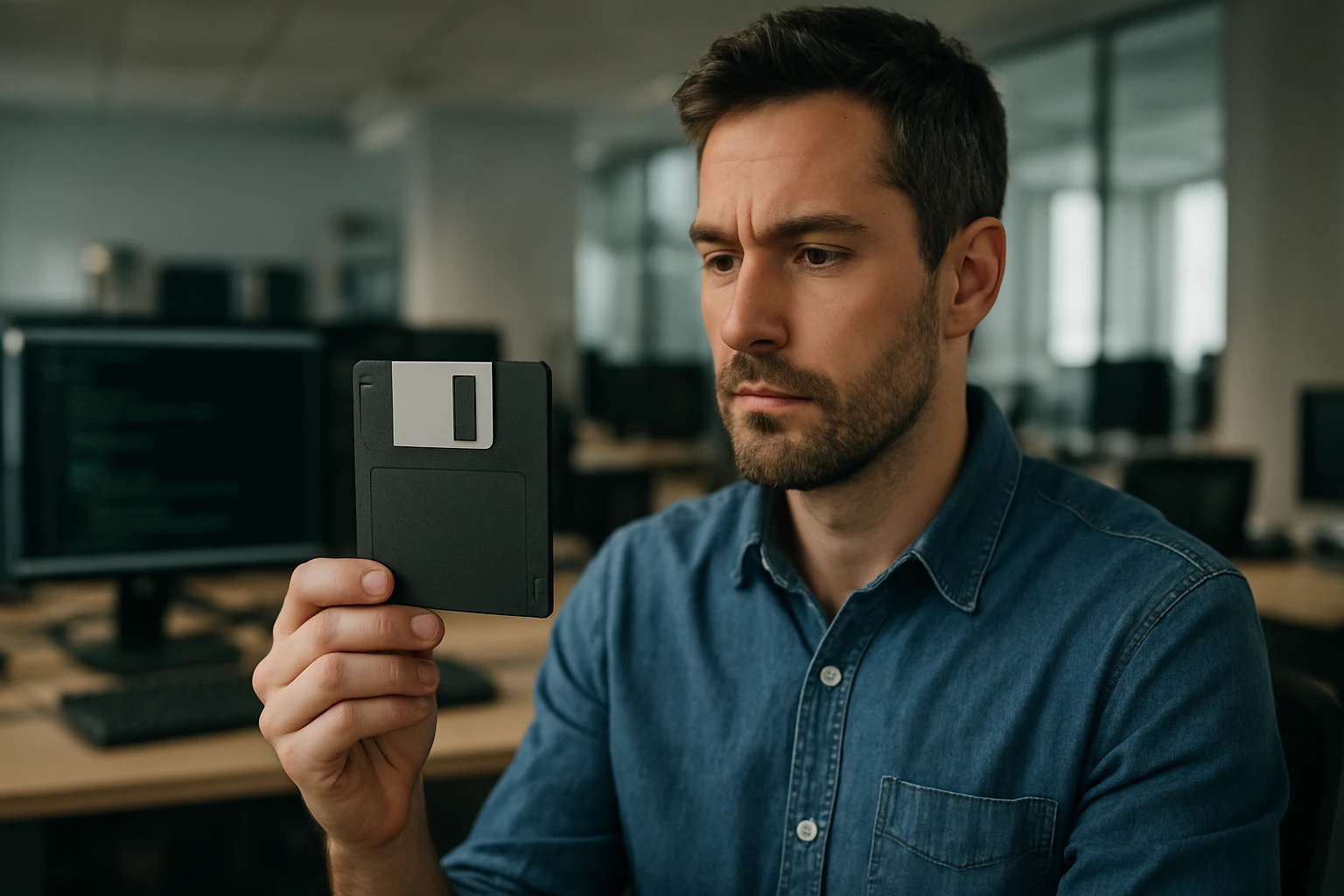
Explore the floppy disk's rise from magnetic removable media to cultural icon—its…

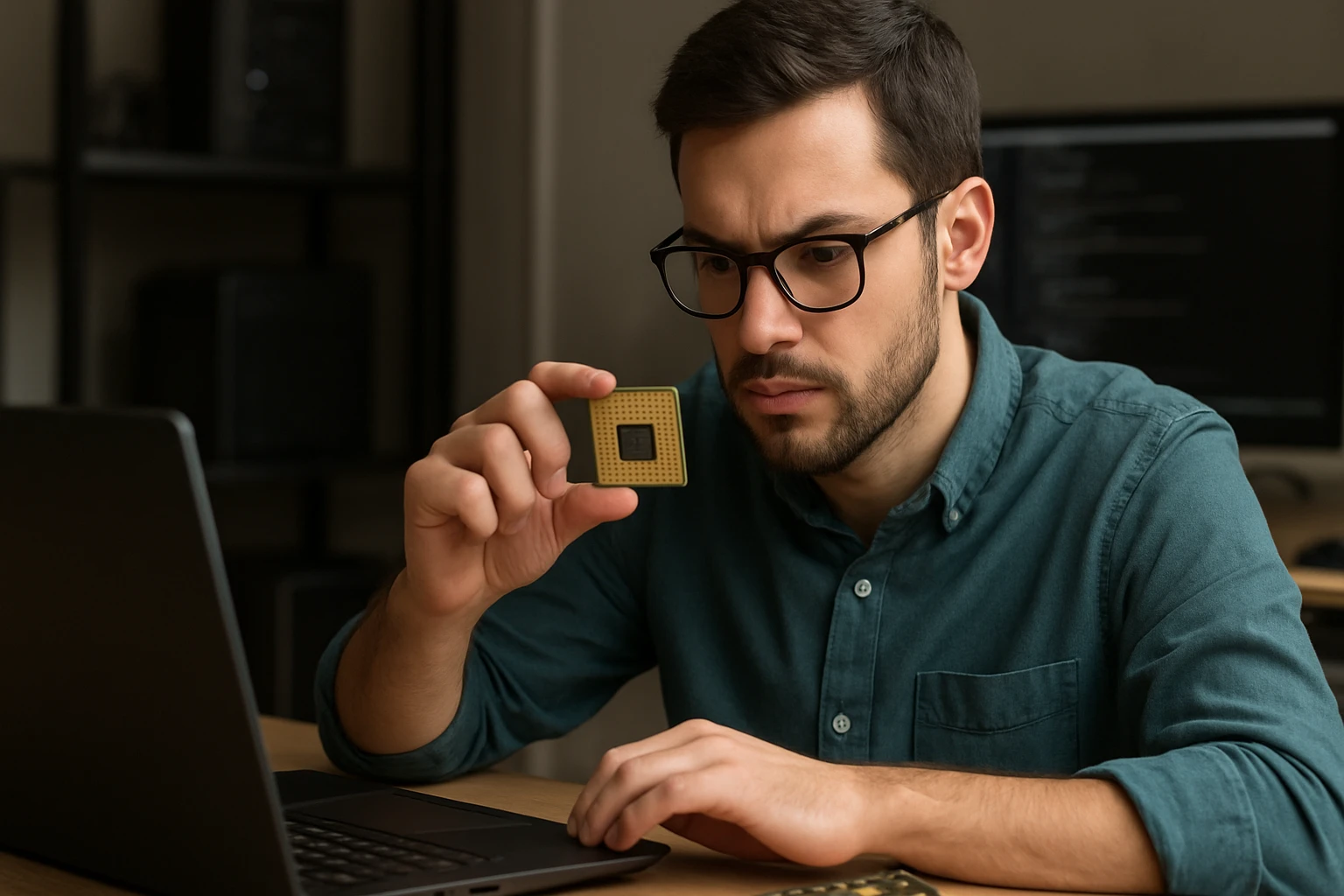
Dual-core processors boost multitasking and performance by splitting workloads across two cores,…

Keyboards translate physical keystrokes into digital signals via switches, controllers, and firmware.…
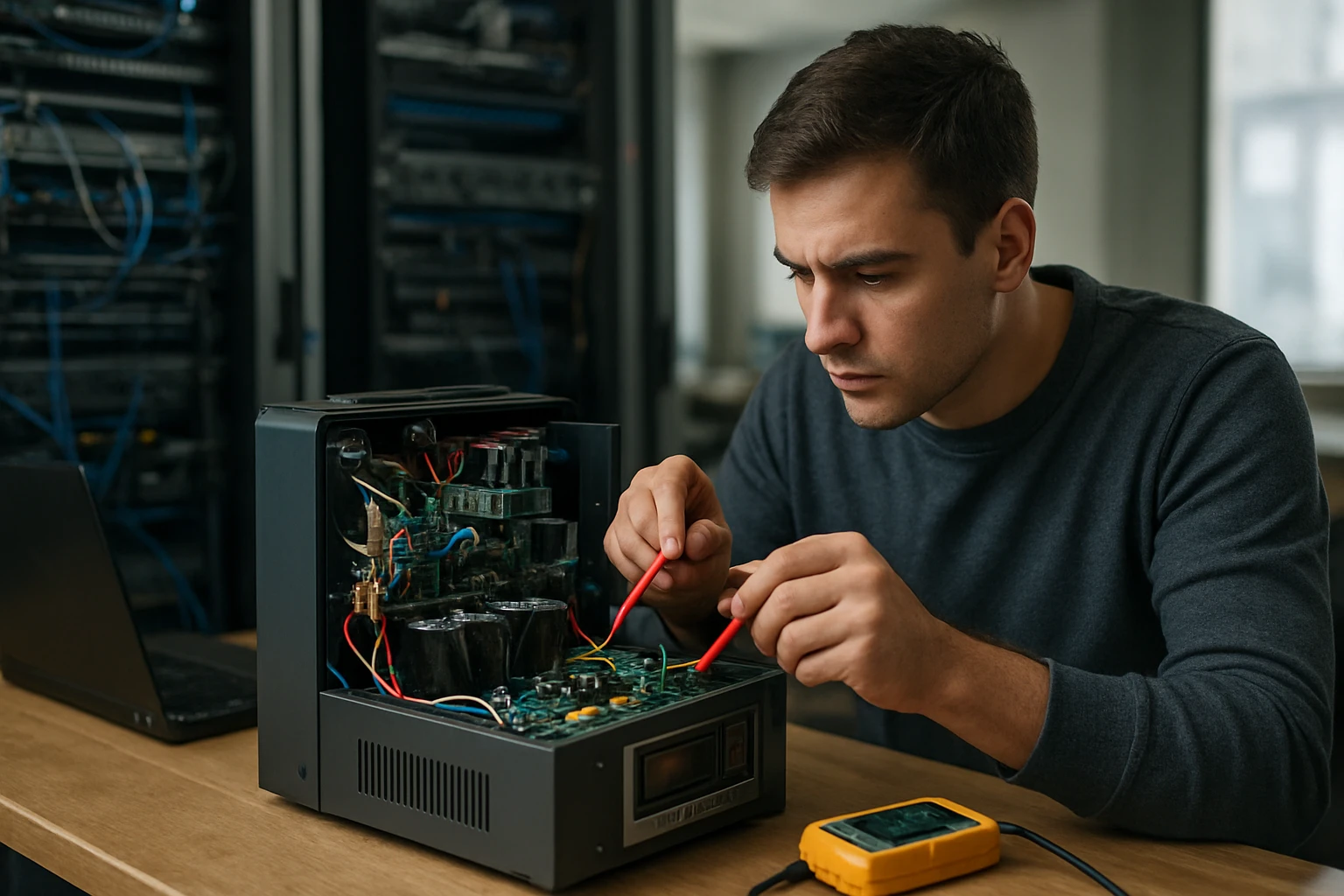
Automatic Voltage Regulators (AVRs) stabilize output voltage by sensing supply fluctuations and…

Learn the difference between bits, bytes, kilobytes, megabytes and beyond: how each…
Direct Memory Access (DMA) lets peripherals move data to/from RAM without CPU…
CMOS (Complementary Metal-Oxide-Semiconductor) enables low-power, high-density integrated circuits, powering microprocessors, memory, sensors,…

MRAM (Magnetoresistive RAM) is a non-volatile memory that stores data with magnetic…

Blade servers are compact modular servers that slide into a shared chassis,…
Explore commodity hardware: affordable, widely available computer components that are easy to…

A mainframe computer is a powerful, reliable system for large-scale transaction processing,…

Mainframe computers are high-performance systems that handle large-scale transaction processing, data storage,…
Pendrives (USB flash drives) are portable flash-memory storage devices with a USB…

Overview of printer types—inkjet, laser, thermal, dot matrix and 3D—and core principles:…
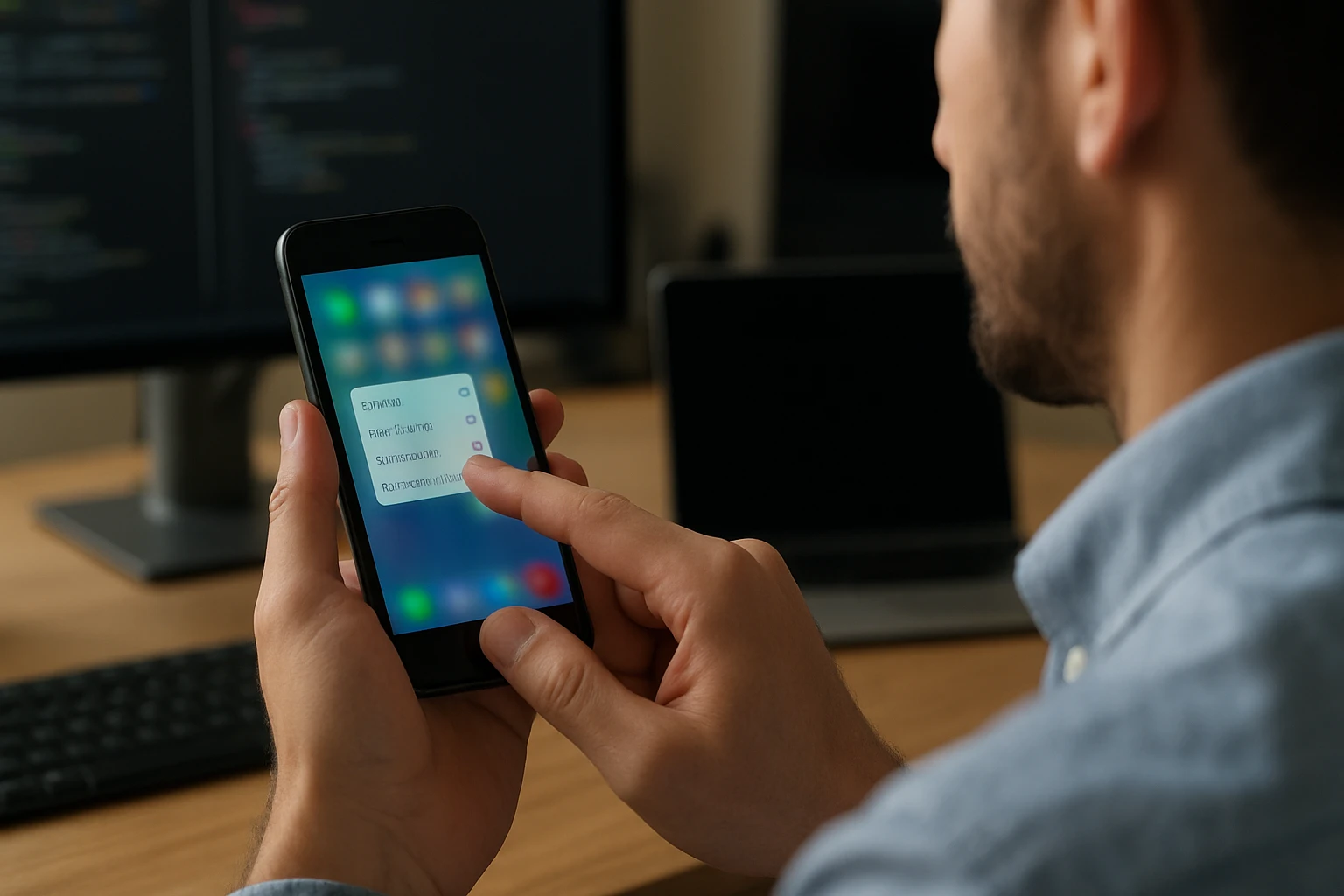
Apple's 3D Touch used pressure-sensitive screens to enable shortcuts, peek-and-pop previews, and…

Serial ports have connected devices for decades, enabling device control and data…
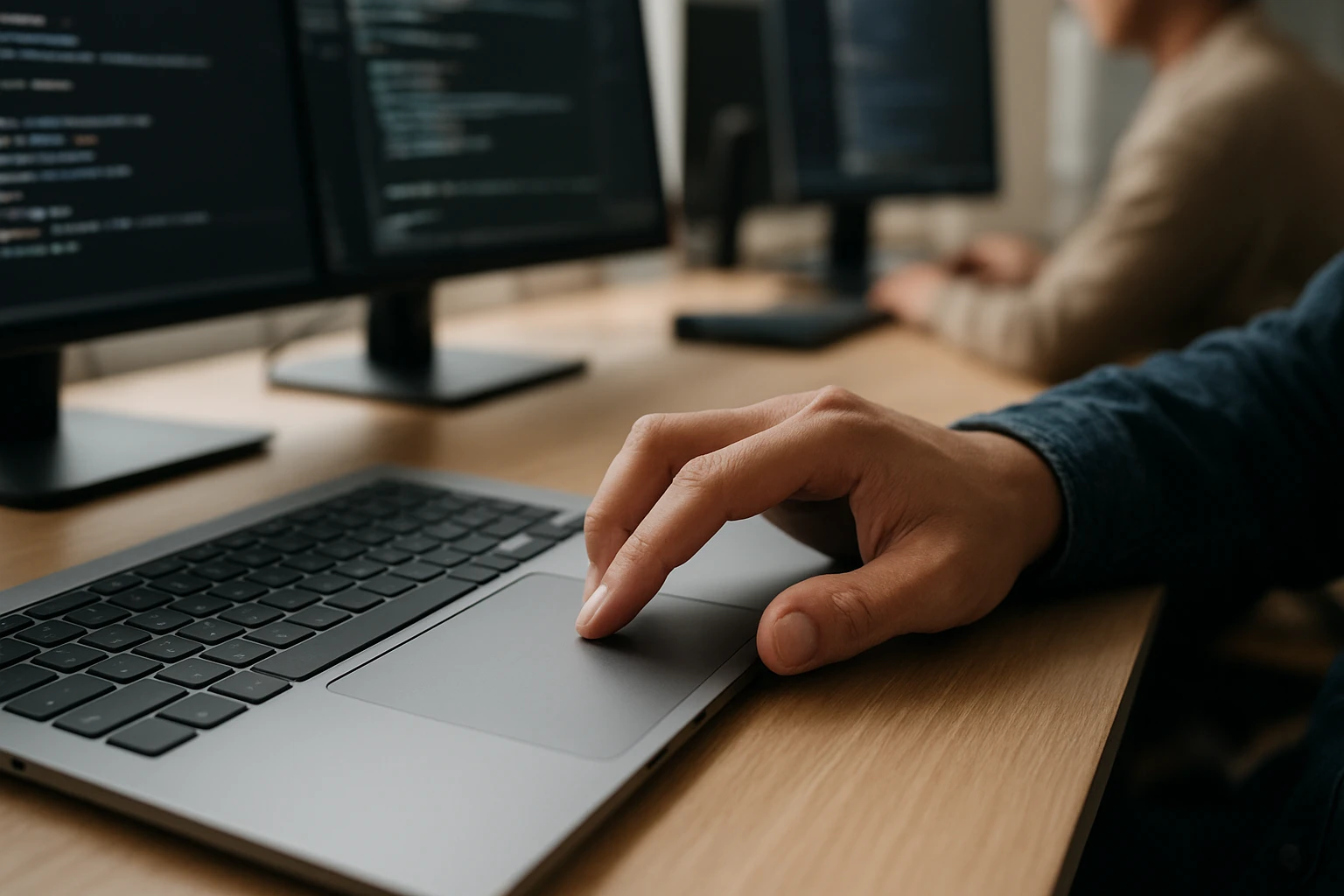
A touchpad lets you control the cursor, scroll, zoom, and perform multi-touch…
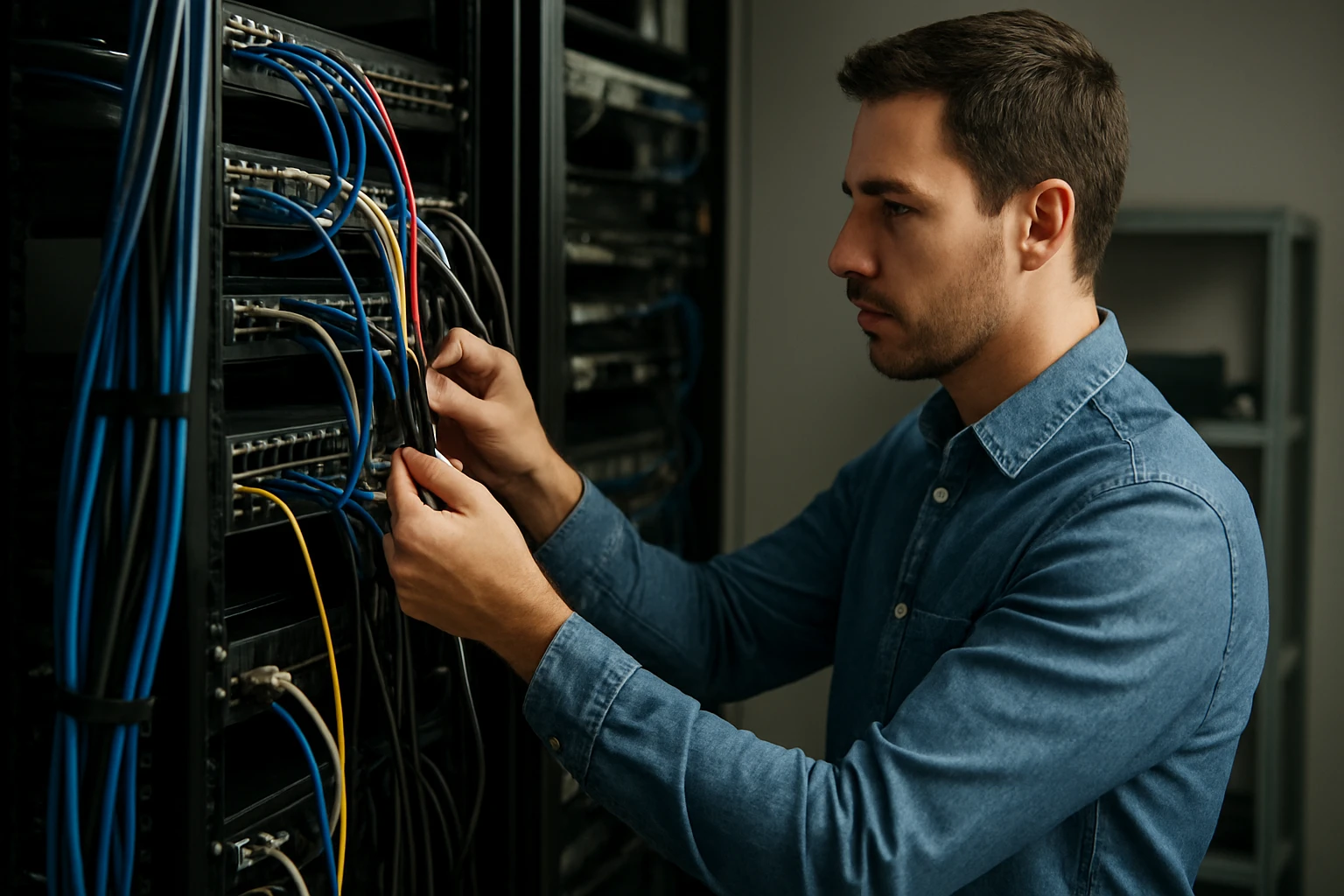
Efficient cable management reduces clutter, prevents damage and improves safety. Learn practical…

Clock speed, measured in GHz, indicates how many cycles a CPU performs…
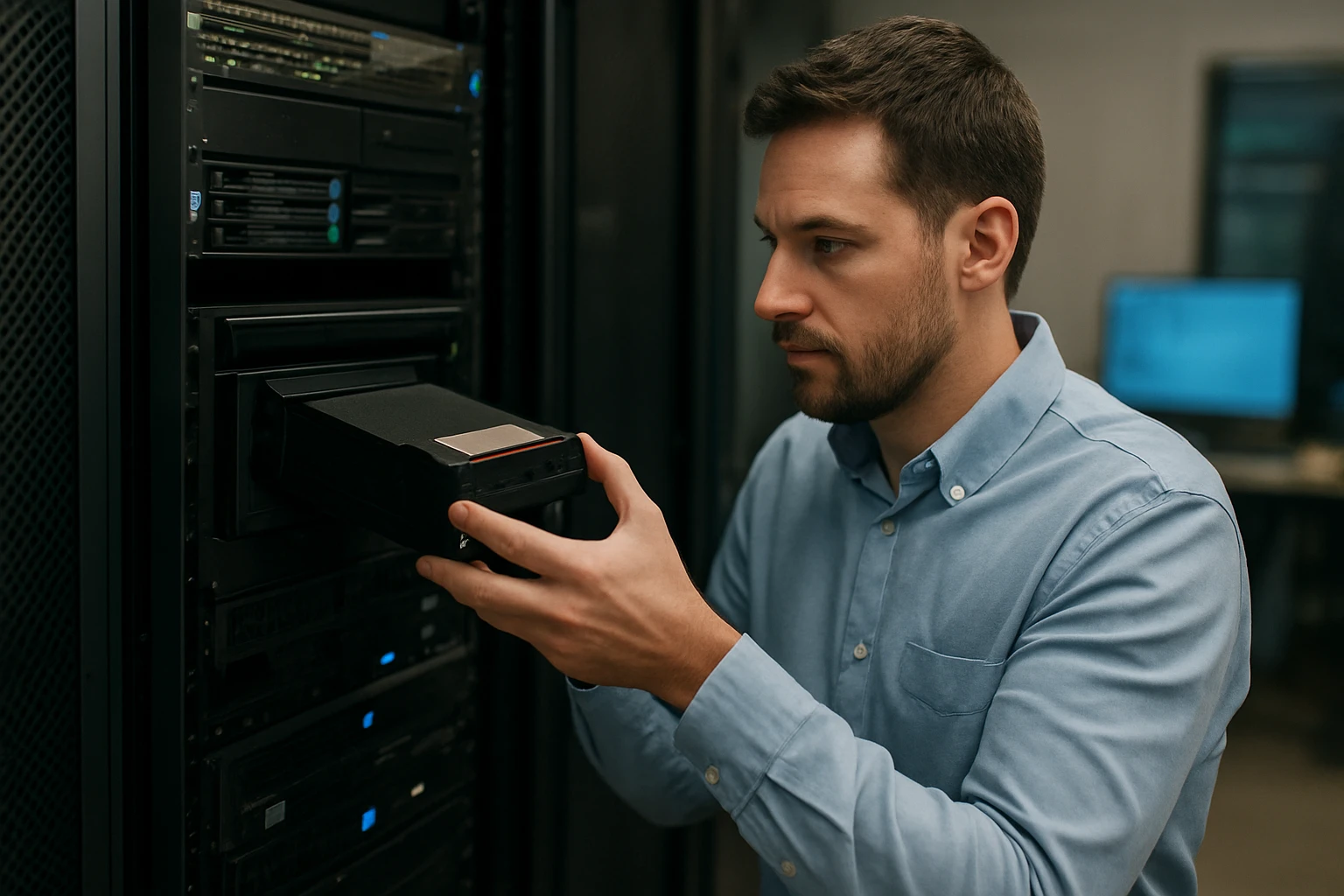
Explore tape drive technology: how magnetic tape stores data, drive operation, advantages…
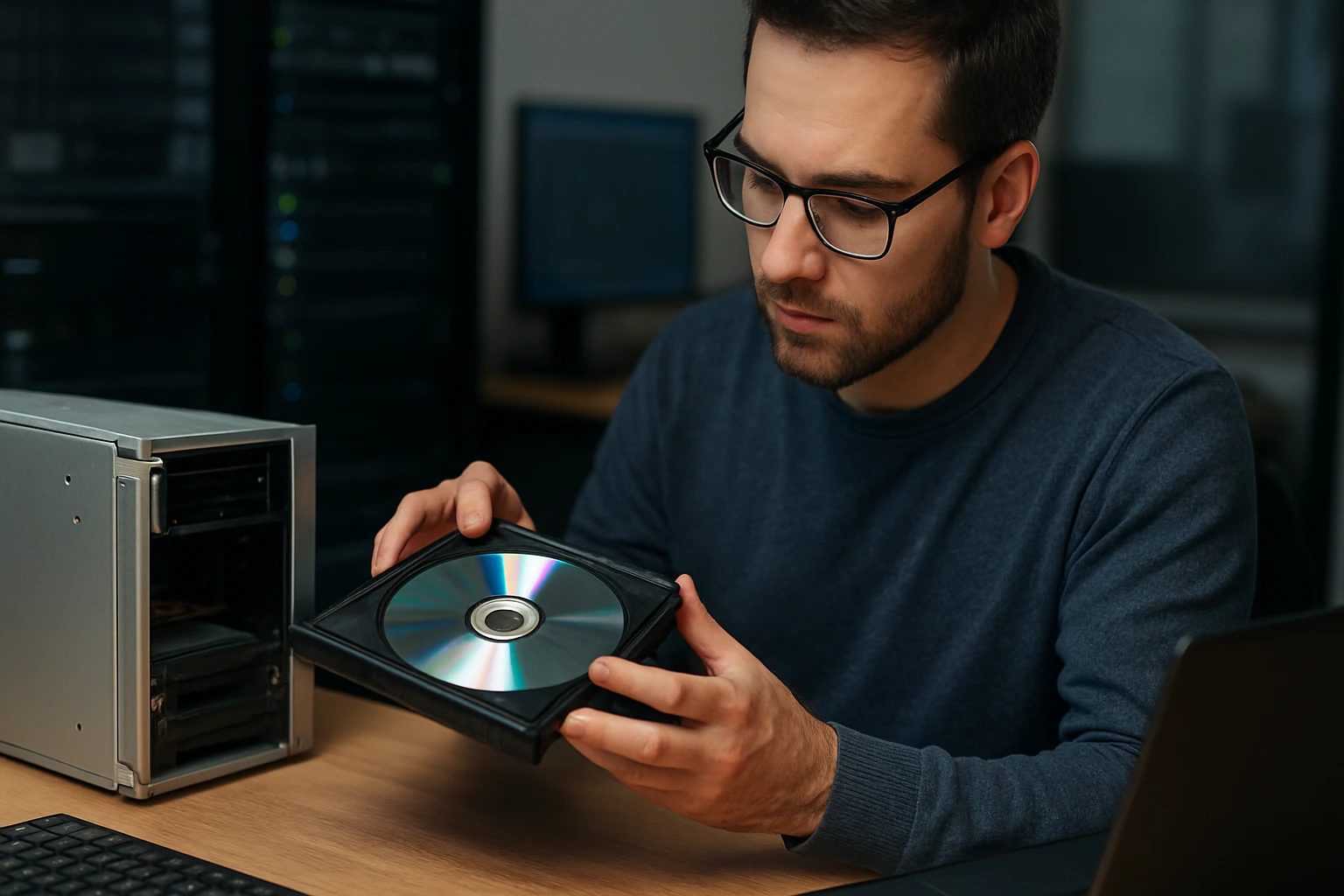
Discover how optical drives read and write CDs, DVDs, and Blu-rays, their…
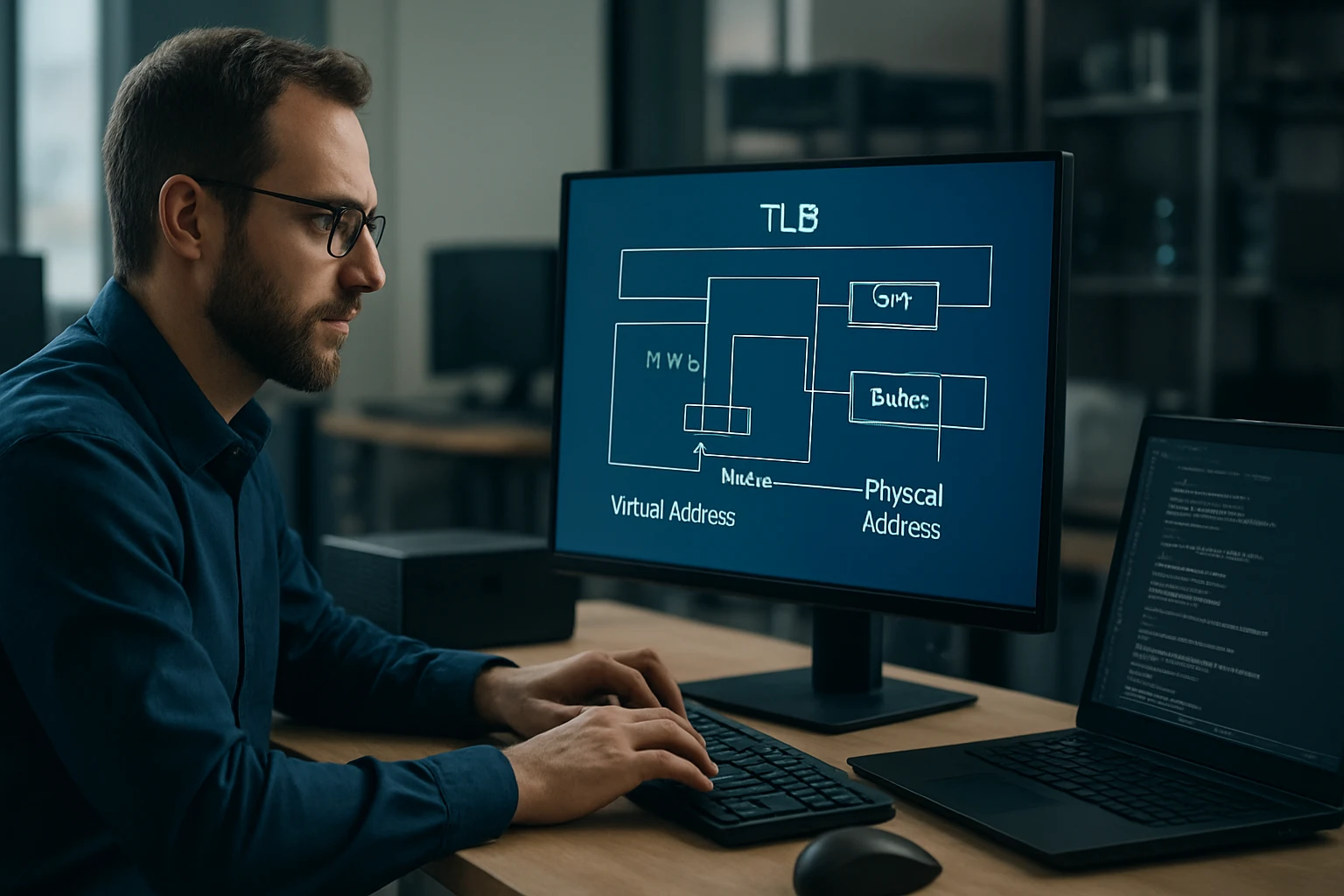
The Translation Lookaside Buffer (TLB) speeds virtual-to-physical address translation by caching page…
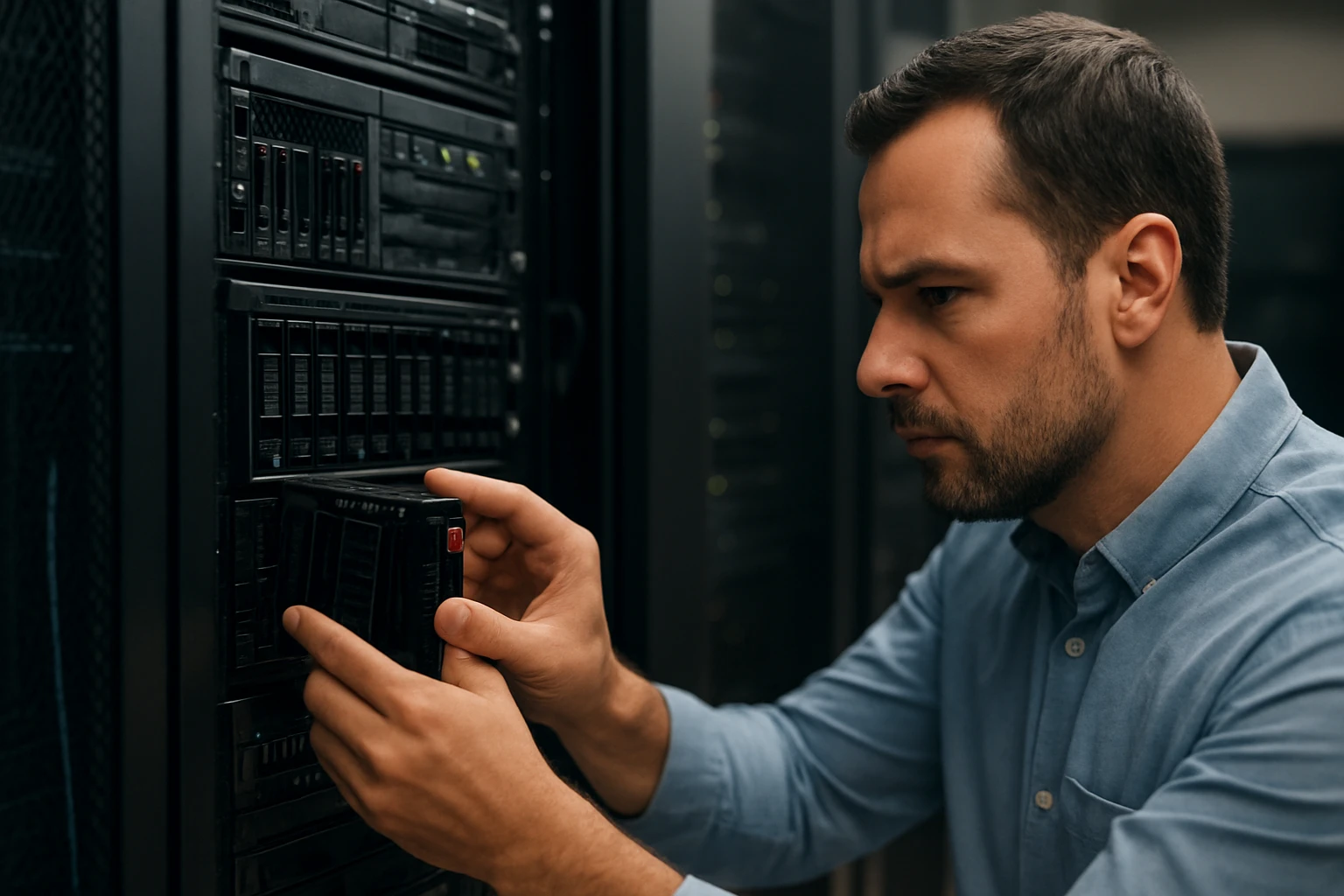
Hot swap allows replacing or adding hardware while a system runs. Using…
Converged Infrastructure bundles compute, storage, networking, and virtualization into unified, pre-integrated systems…