
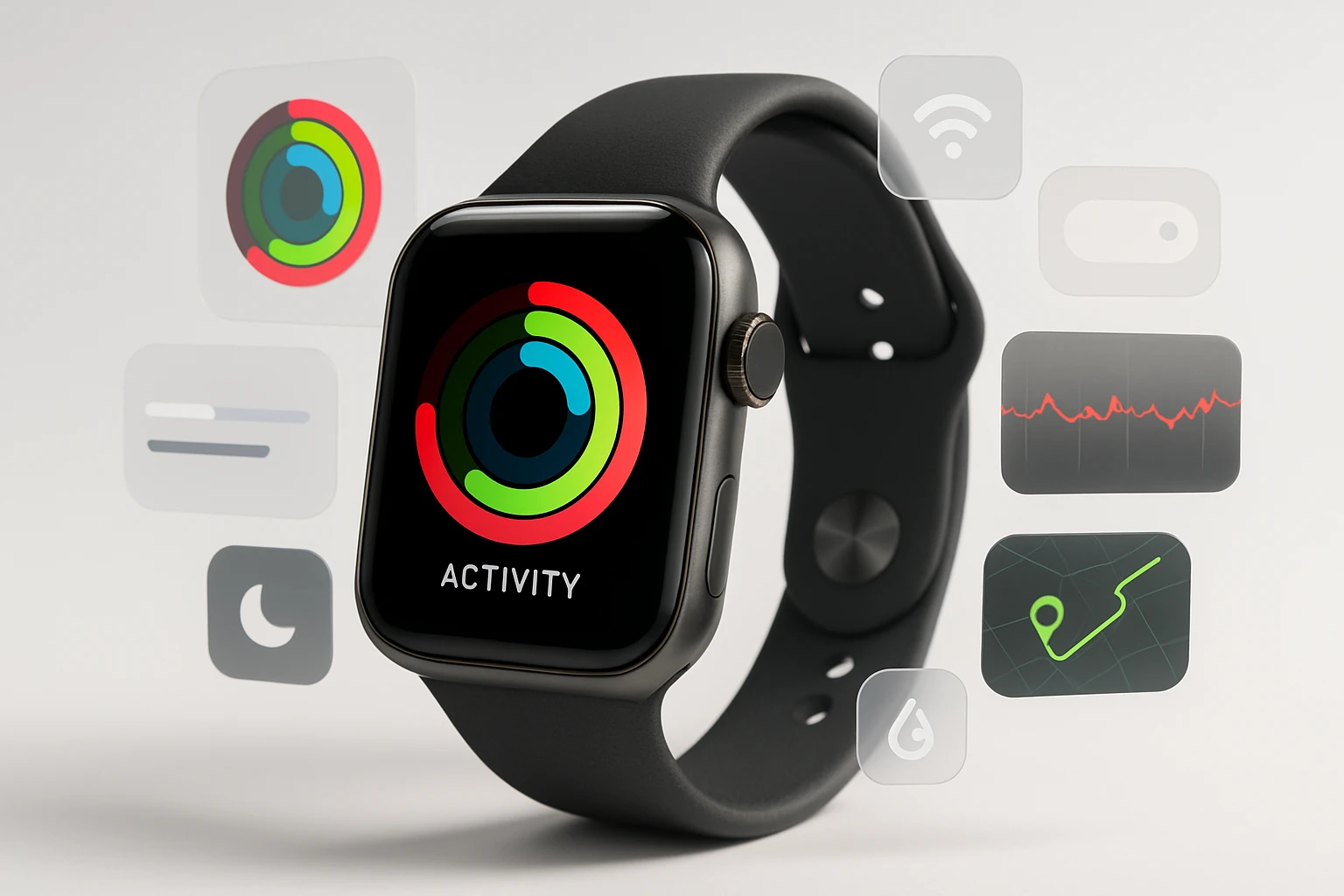
The world of wearable technology has fundamentally transformed how we interact with our daily routines, health monitoring, and digital connectivity. Among the most revolutionary devices in this space, smartwatches have emerged as powerful companions that extend far beyond simple timekeeping. What captivates me most about these devices is their ability to seamlessly blend traditional watch aesthetics with cutting-edge technology, creating a personal hub that sits quietly on your wrist while managing countless aspects of modern life.
A smartwatch represents a sophisticated wearable computer designed to be worn on the wrist, combining traditional timekeeping with advanced digital capabilities such as fitness tracking, communication features, and app functionality. This technology promises to deliver insights from multiple perspectives – examining how these devices serve as health monitors, productivity tools, communication hubs, and lifestyle accessories. The evolution of smartwatches reflects our growing desire for immediate access to information while maintaining the convenience and style of traditional timepieces.
Through this exploration, you'll gain comprehensive understanding of smartwatch functionality, from basic operational principles to advanced health monitoring capabilities. You'll discover how these devices integrate with broader digital ecosystems, learn about their practical applications in daily life, and understand the technology that makes modern smartwatches possible. Whether you're considering your first smartwatch purchase or seeking to maximize your current device's potential, this deep dive will provide the knowledge needed to make informed decisions about wearable technology.
Core Technology and Hardware Components
Modern smartwatches represent remarkable feats of miniaturization, packing sophisticated computing power into devices small enough to wear comfortably on the wrist. The foundation of any smartwatch lies in its system-on-chip (SoC) architecture, which integrates the processor, memory, and various controllers into a single, power-efficient package. These processors, typically based on ARM architecture, must balance computational capability with battery life constraints that define the wearable experience.
The display technology in smartwatches has evolved significantly, with most premium devices now featuring OLED or AMOLED screens that provide vibrant colors while consuming minimal power. These displays often incorporate touch sensitivity and, in some cases, pressure sensitivity that enables additional input methods. The always-on display capability has become increasingly important, allowing users to view essential information without actively engaging the device.
Battery technology remains one of the most critical components, as it directly impacts user experience and device adoption. Modern smartwatches typically feature lithium-ion batteries ranging from 200mAh to 500mAh, with sophisticated power management systems that can extend usage to multiple days depending on feature utilization.
Sensor Array and Capabilities
The true power of smartwatches lies in their comprehensive sensor arrays that enable continuous monitoring and data collection. Accelerometers and gyroscopes form the foundation of motion tracking, enabling step counting, activity recognition, and fall detection capabilities. These sensors work in conjunction with magnetometers to provide compass functionality and improve location accuracy.
Heart rate monitoring has become a standard feature, typically implemented through photoplethysmography (PPG) sensors that use light to detect blood flow changes. Advanced models incorporate multiple LED colors and photodiodes to improve accuracy across different skin tones and activity levels. Some premium devices now include electrocardiogram (ECG) capabilities, allowing users to take medical-grade heart rhythm readings.
Environmental sensors add another layer of functionality, with barometric pressure sensors enabling altitude tracking and weather prediction, while ambient light sensors automatically adjust display brightness. Temperature sensors, both for environmental monitoring and skin temperature tracking, provide additional health insights and comfort features.
Health and Fitness Monitoring Revolution
The transformation of smartwatches into comprehensive health monitoring devices represents one of the most significant developments in consumer technology. These devices have evolved from simple step counters to sophisticated health companions capable of detecting medical conditions and providing actionable insights for wellness improvement.
Continuous heart rate monitoring serves as the cornerstone of fitness tracking, enabling accurate calorie burn calculations and workout intensity measurements. Modern algorithms can distinguish between different types of physical activity, automatically detecting when users begin exercising and adjusting monitoring parameters accordingly. This automatic workout detection has improved significantly, now capable of recognizing activities ranging from swimming to high-intensity interval training.
Sleep tracking capabilities have become increasingly sophisticated, with devices monitoring sleep stages, duration, and quality metrics. Advanced sleep analysis incorporates heart rate variability, movement patterns, and environmental factors to provide comprehensive sleep insights. Some devices can even detect sleep apnea indicators, though these features typically require medical validation.
Advanced Health Monitoring Features
The integration of blood oxygen monitoring has added another crucial health metric to smartwatch capabilities. Using specialized sensors that emit multiple wavelengths of light, these devices can estimate blood oxygen saturation levels, providing insights into respiratory health and overall wellness. This feature gained particular attention during health crises when monitoring respiratory function became critically important.
Stress monitoring represents a sophisticated application of heart rate variability analysis, helping users understand their physiological response to daily stressors. These systems typically combine heart rate data with activity levels and user input to provide stress level assessments and guided breathing exercises for stress management.
Temperature monitoring has evolved beyond simple environmental readings to include skin temperature tracking that can indicate potential illness onset or hormonal changes. When combined with other health metrics, temperature data provides valuable context for overall health assessment and can alert users to potential health issues before symptoms become apparent.
| Health Monitoring Feature | Technology Used | Primary Benefits |
|---|---|---|
| Heart Rate Monitoring | PPG Sensors | Continuous fitness tracking, arrhythmia detection |
| Blood Oxygen Monitoring | Multi-wavelength LEDs | Respiratory health assessment, altitude adaptation |
| Sleep Tracking | Accelerometer + Heart Rate | Sleep quality improvement, circadian rhythm optimization |
| Stress Monitoring | Heart Rate Variability | Stress management, mental health awareness |
| ECG Monitoring | Electrical sensors | Medical-grade heart rhythm analysis |
| Fall Detection | Accelerometer + Gyroscope | Emergency response, elderly care |
Communication and Connectivity Features
Modern smartwatches have evolved into comprehensive communication hubs that keep users connected without requiring constant phone interaction. Bluetooth connectivity serves as the primary link between smartwatch and smartphone, enabling seamless data synchronization and notification management. This connection allows users to receive calls, text messages, and app notifications directly on their wrist, with the ability to respond through various input methods.
Cellular connectivity in premium smartwatch models provides true independence from smartphones, allowing users to make calls, send messages, and access internet services directly from their wrist. This capability proves particularly valuable during exercise sessions, emergency situations, or when carrying a phone is impractical. The integration of eSIM technology has streamlined the cellular activation process, eliminating the need for physical SIM cards.
Wi-Fi connectivity expands communication capabilities, enabling direct internet access when cellular or Bluetooth connections are unavailable. This feature proves essential for software updates, app downloads, and accessing cloud-based services without smartphone dependency.
Voice and Input Technologies
Voice recognition and digital assistant integration have transformed how users interact with smartwatches, enabling hands-free operation through natural language commands. These systems can handle everything from setting reminders and sending messages to controlling smart home devices and accessing information. The accuracy of voice recognition has improved dramatically, even in noisy environments.
Touch input remains the primary interaction method, but smartwatches have incorporated additional input mechanisms including digital crowns, rotating bezels, and pressure-sensitive displays. These physical controls provide precise navigation and reduce the need for complex touch gestures on small screens.
"The most profound impact of wearable technology lies not in the individual features, but in how seamlessly these capabilities integrate into the natural flow of daily life."
Haptic feedback systems provide subtle notifications and interaction confirmations without audible alerts, making smartwatches suitable for various social and professional environments. Advanced haptic engines can simulate different textures and sensations, enhancing the user experience through tactile communication.
App Ecosystem and Third-Party Integration
The success of any smartwatch platform depends heavily on its app ecosystem and the ability to extend functionality through third-party applications. Native app stores for smartwatches have matured significantly, offering thousands of applications specifically designed for wrist-worn devices. These apps range from productivity tools and games to specialized health applications and lifestyle utilities.
Fitness and health apps dominate smartwatch ecosystems, with specialized applications for specific sports, meditation, nutrition tracking, and medical monitoring. Many of these apps leverage the unique sensor capabilities of smartwatches to provide insights unavailable through smartphone apps alone. The integration with popular fitness platforms and health services creates comprehensive wellness ecosystems.
Productivity applications have adapted to the smartwatch form factor, offering quick access to calendars, reminders, note-taking, and task management. Email and messaging apps provide efficient communication management, with features like quick replies, voice-to-text conversion, and priority filtering designed specifically for small screen interaction.
Smart Home and IoT Integration
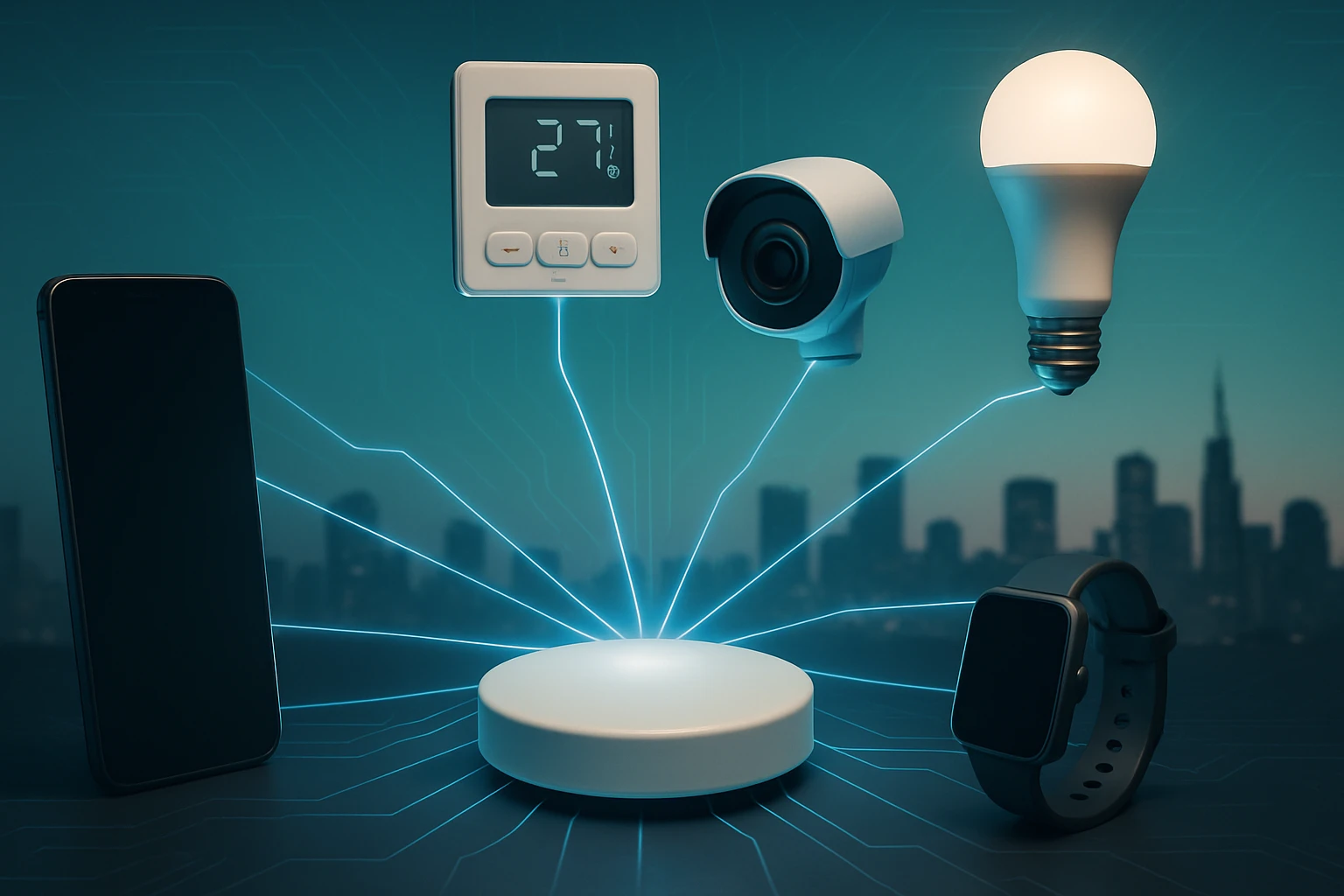
The role of smartwatches as smart home controllers has expanded significantly, with devices serving as convenient interfaces for lighting, climate control, security systems, and entertainment devices. The combination of voice control and touch interface makes smartwatches ideal for quick smart home adjustments without reaching for a phone or dedicated controller.
Payment systems integration has transformed smartwatches into digital wallets, enabling contactless payments through NFC technology. This functionality extends beyond simple payments to include loyalty card storage, transit system integration, and access control for buildings and vehicles. The security features built into these payment systems often exceed traditional payment methods.
Location-based services and navigation applications take advantage of GPS capabilities and the always-visible display to provide turn-by-turn directions and location tracking. Mapping applications designed for smartwatches focus on essential navigation information while preserving battery life and maintaining readability on small screens.
Battery Life and Power Management
Battery performance remains one of the most critical factors in smartwatch usability and user satisfaction. Modern devices employ sophisticated power management systems that dynamically adjust performance based on usage patterns and battery levels. These systems can disable non-essential features, reduce display brightness, and limit background app activity to extend battery life during critical periods.
Charging technologies have evolved to address the unique challenges of wearable devices, with most modern smartwatches featuring wireless charging systems that eliminate the need for precise connector alignment. Fast charging capabilities can provide hours of usage from just minutes of charging, addressing the inconvenience of battery depletion during active use.
Power-saving modes represent a crucial feature that can extend battery life from hours to days by disabling advanced features while maintaining essential timekeeping and basic notification functions. These modes often retain critical health monitoring capabilities, ensuring that important data collection continues even when battery levels are low.
Usage Optimization Strategies
Understanding power consumption patterns helps users maximize battery life through informed usage decisions. Features like GPS tracking, cellular connectivity, and always-on displays consume significantly more power than basic timekeeping and notification functions. Users can optimize battery performance by adjusting these features based on daily needs and activities.
"Effective power management in wearable devices requires balancing user expectations with technological limitations, creating solutions that enhance rather than complicate daily routines."
Background app management plays a crucial role in battery optimization, with modern smartwatch operating systems implementing intelligent scheduling that prioritizes essential functions while limiting resource-intensive background processes. Users can typically customize these settings to align with their specific usage patterns and priorities.
The development of ultra-low-power processors and display technologies continues to improve battery performance, with some devices now capable of weeks of operation in basic modes. These advances promise to eliminate battery anxiety and make smartwatches more reliable for extended use scenarios.
| Battery Optimization Feature | Impact on Battery Life | User Experience Trade-off |
|---|---|---|
| Always-On Display | 15-25% reduction | Immediate information access |
| GPS Tracking | 40-60% reduction | Accurate location services |
| Cellular Connectivity | 30-50% reduction | Phone independence |
| Heart Rate Monitoring | 5-10% reduction | Continuous health tracking |
| Background App Refresh | 10-20% reduction | Real-time app updates |
| Haptic Feedback | 2-5% reduction | Enhanced notification experience |
Design Evolution and Customization Options
The aesthetic evolution of smartwatches reflects the ongoing challenge of balancing technological capability with traditional watch design principles. Early smartwatch designs often prioritized functionality over form, resulting in devices that clearly announced their technological nature. Contemporary smartwatch design has embraced more refined aesthetics that can seamlessly transition from athletic activities to professional environments.
Case materials have expanded beyond basic aluminum and plastic to include premium options like stainless steel, titanium, and ceramic. These material choices affect not only appearance but also durability, weight, and comfort during extended wear. The selection of case materials often reflects different target markets, from fitness enthusiasts seeking lightweight options to professionals desiring luxury aesthetics.
Display design has evolved to maximize screen real estate while maintaining comfortable proportions for various wrist sizes. Screen shapes range from traditional circular designs that mimic analog watches to rectangular displays that optimize digital content presentation. The choice between these approaches reflects different philosophical approaches to smartwatch design and user interaction.
Personalization and Style Options
Band customization represents one of the most accessible ways for users to personalize their smartwatch experience. The variety of available bands spans from sport-focused silicone options to luxury leather and metal bracelets. Quick-release mechanisms have become standard, enabling users to easily switch between different bands for various activities and occasions.
Watch face customization has evolved into a sophisticated personalization system, with thousands of available designs ranging from traditional analog appearances to complex digital displays showing multiple data streams. Complications – small widgets displaying specific information – allow users to customize their watch face with the most relevant data for their lifestyle and needs.
"Personal style in wearable technology extends beyond mere aesthetics to encompass how devices integrate into individual lifestyles and express personal values."
The ability to create custom watch faces has opened new possibilities for personal expression and functional optimization. Users can design interfaces that prioritize their most important information while reflecting their aesthetic preferences and daily routines.
Privacy and Security Considerations
The intimate nature of health and personal data collected by smartwatches raises significant privacy and security concerns that manufacturers and users must carefully address. Data encryption serves as the foundation of smartwatch security, protecting sensitive information both during transmission and storage. Modern devices implement multiple layers of encryption to safeguard everything from health metrics to payment information.
Biometric authentication has become increasingly sophisticated, with some devices incorporating fingerprint sensors, voice recognition, or even vein pattern analysis for secure access. These authentication methods provide convenient security while ensuring that sensitive data remains protected if the device is lost or stolen. The challenge lies in balancing security with the quick access that makes smartwatches convenient.
Location tracking capabilities, while providing valuable features like navigation and fitness tracking, also create potential privacy vulnerabilities. Location data management requires careful consideration of which apps and services have access to this information and how long this data is retained. Users must understand and control these permissions to maintain their privacy preferences.
Health Data Protection
The sensitive nature of health information collected by smartwatches requires special attention to privacy protection. Medical data regulations in various jurisdictions impose strict requirements on how health information is collected, stored, and shared. Smartwatch manufacturers must navigate these regulations while providing useful health insights to users.
Third-party app permissions represent a significant privacy consideration, as health and fitness apps often request access to comprehensive health data. Users need clear information about what data is being shared and how it will be used. The granular control of these permissions allows users to benefit from app functionality while maintaining control over their personal information.
"Privacy in wearable technology requires active user engagement and understanding, not passive acceptance of default settings and permissions."
Data anonymization and aggregation techniques help protect individual privacy while enabling valuable research and product improvements. However, users should understand that even anonymized data can potentially be re-identified through sophisticated analysis techniques.
Future Developments and Emerging Technologies
The future of smartwatch technology promises exciting developments that will further expand capabilities while addressing current limitations. Advanced sensor integration continues to evolve, with research into non-invasive glucose monitoring, blood pressure measurement, and hydration level detection. These developments could transform smartwatches into comprehensive health monitoring devices capable of detecting and preventing serious medical conditions.
Artificial intelligence and machine learning integration will enable more sophisticated data analysis and predictive capabilities. Future smartwatches may be able to predict health issues, optimize workout routines, and provide personalized recommendations based on individual patterns and goals. The challenge lies in implementing these capabilities while maintaining battery life and user privacy.
Display technology advances promise to improve readability, reduce power consumption, and enable new interaction methods. Developments in flexible displays, holographic projection, and augmented reality integration could fundamentally change how users interact with wearable devices. These technologies may eventually eliminate the need for traditional screens entirely.
Connectivity and Integration Evolution
5G connectivity will enable new capabilities that require high-speed, low-latency connections. This could include real-time health monitoring with immediate medical consultation, enhanced augmented reality features, and seamless integration with smart city infrastructure. The challenge will be managing the power requirements of these advanced connectivity features.
Internet of Things (IoT) integration will expand the role of smartwatches as central controllers for connected devices and services. Future devices may serve as universal keys, environmental sensors, and personal assistants that seamlessly interact with smart environments. This integration requires careful consideration of security and privacy implications.
"The next generation of wearable technology will be defined not by individual features, but by how seamlessly these devices integrate into the broader ecosystem of connected services and experiences."
Sustainability considerations are becoming increasingly important in smartwatch development, with manufacturers exploring recyclable materials, modular designs, and extended device lifecycles. These efforts address environmental concerns while potentially reducing costs and improving repairability.
Practical Applications and Use Cases
The real-world applications of smartwatch technology extend far beyond basic fitness tracking and notifications, encompassing diverse scenarios that demonstrate the versatility of these devices. Emergency response capabilities have proven invaluable, with features like fall detection and emergency calling potentially saving lives. These systems can automatically contact emergency services and share location information when users are unable to call for help themselves.
Professional applications vary significantly across different industries and roles. Healthcare workers use smartwatches for patient monitoring, medication reminders, and hands-free communication. Athletes and coaches leverage advanced performance metrics for training optimization and competitive advantage. Business professionals utilize productivity features for meeting management, quick communication, and travel assistance.
Accessibility features have made smartwatches valuable tools for users with various disabilities. Voice control enables hands-free operation for users with mobility limitations, while haptic feedback provides notifications for users with hearing impairments. Large text options and high contrast displays assist users with visual challenges.
Lifestyle Integration Examples
Travel applications demonstrate how smartwatches can simplify complex activities. Digital boarding passes, hotel room keys, and navigation assistance streamline travel experiences while reducing the need to constantly access phones or physical documents. Translation features can provide quick assistance in foreign countries, while time zone management helps prevent scheduling confusion.
Parenting applications have emerged as valuable tools for busy families. Location sharing enables parents to monitor children's whereabouts, while quick communication features allow for efficient coordination. Medication reminders and health tracking help parents manage family healthcare needs more effectively.
"The most successful wearable technology implementations are those that solve real problems without creating new complications in daily routines."
Fitness motivation extends beyond simple step counting to include social challenges, achievement systems, and personalized coaching. These features help users maintain long-term engagement with health and fitness goals while building supportive communities around shared objectives.
What is the difference between a smartwatch and a fitness tracker?
Smartwatches offer comprehensive computing capabilities including apps, communication features, and advanced sensors, while fitness trackers focus primarily on health and activity monitoring with longer battery life and simpler interfaces.
How accurate are smartwatch health monitoring features?
Most smartwatch health features provide consumer-grade accuracy suitable for general wellness tracking. While heart rate monitoring is generally reliable, features like blood oxygen and ECG should not replace professional medical devices for diagnostic purposes.
Can smartwatches work independently without a smartphone?
Some smartwatches with cellular connectivity can operate independently for calls, messages, and internet access. However, most features work best when paired with a smartphone for full functionality and regular data synchronization.
How long do smartwatch batteries typically last?
Battery life varies significantly based on features used, ranging from 18 hours to several days. GPS tracking, always-on displays, and cellular connectivity significantly reduce battery life, while basic timekeeping and notifications consume minimal power.
Are smartwatches waterproof?
Most modern smartwatches offer water resistance suitable for swimming and showering, typically rated to 50 meters depth. However, hot water, soaps, and high-pressure water should be avoided as they can compromise seals and damage internal components.
How secure are smartwatch payment systems?
Smartwatch payment systems typically use tokenization and encryption similar to contactless credit cards, often providing better security than traditional payment methods. Biometric authentication adds an additional security layer that physical cards cannot provide.
Can smartwatches detect serious medical conditions?
While smartwatches can detect certain irregularities like atrial fibrillation or sudden falls, they are not medical devices and should not be relied upon for diagnosis. Any concerning readings should be discussed with healthcare professionals for proper evaluation.
What happens to smartwatch data if the device is lost or stolen?
Most smartwatch data is encrypted and backed up to cloud services, allowing recovery on replacement devices. Remote wipe capabilities can protect sensitive information, while device tracking features may help locate lost devices.
How often should smartwatch software be updated?
Regular software updates are important for security, performance, and new features. Most smartwatches automatically download and install updates, though users should ensure updates are applied promptly for optimal security and functionality.
Do smartwatches interfere with medical devices like pacemakers?
While rare, some smartwatch features like magnetic charging or strong magnets could potentially interfere with certain medical devices. Patients with pacemakers or other implanted devices should consult their healthcare providers before using smartwatches.