
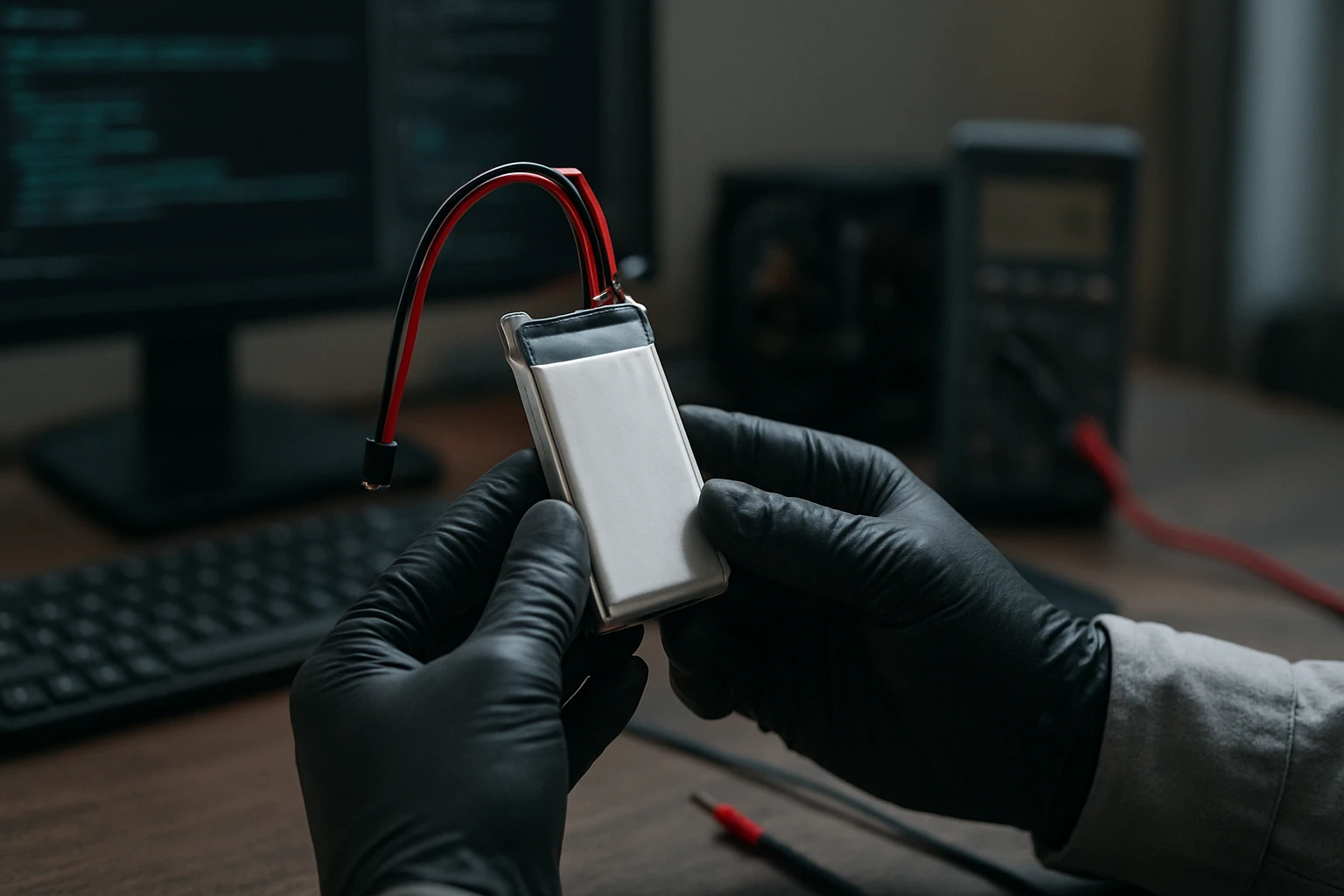
The world of portable electronics and remote-controlled devices has been revolutionized by advances in battery technology, with lithium polymer batteries standing at the forefront of this transformation. These power sources have become increasingly prevalent in everything from smartphones and laptops to drones and electric vehicles, fundamentally changing how we approach energy storage and consumption. The fascination with LiPo batteries stems from their unique combination of high energy density, lightweight construction, and flexible form factors that traditional battery technologies simply cannot match.
Lithium polymer batteries represent a sophisticated evolution of lithium-ion technology, utilizing a polymer electrolyte instead of the liquid electrolyte found in conventional lithium-ion cells. This technological advancement promises to deliver enhanced safety characteristics, improved design flexibility, and superior performance metrics across various applications. Understanding these batteries requires examining multiple perspectives, from their electrochemical foundations to their practical implementation challenges and environmental considerations.
Readers will gain comprehensive insights into the fundamental principles governing LiPo battery operation, explore their distinct advantages and limitations, and discover practical applications across different industries. This exploration will cover safety protocols, maintenance requirements, charging methodologies, and future developments in polymer battery technology, providing both technical understanding and practical knowledge for informed decision-making.
Understanding Lithium Polymer Battery Fundamentals
Lithium polymer batteries operate on the same basic electrochemical principles as traditional lithium-ion cells but incorporate significant structural modifications that enhance their performance characteristics. The fundamental difference lies in the electrolyte system, where a solid or gel-like polymer replaces the liquid electrolyte typically found in conventional lithium-ion batteries.
The electrochemical process begins with lithium ions moving between the positive cathode and negative anode during charge and discharge cycles. During charging, lithium ions migrate from the cathode through the polymer electrolyte to the anode, where they become embedded in the electrode material. This process reverses during discharge, with ions flowing back to the cathode while electrons travel through the external circuit, providing electrical power.
"The beauty of polymer electrolytes lies in their ability to maintain ionic conductivity while providing mechanical stability that liquid electrolytes cannot achieve."
The polymer electrolyte serves multiple critical functions beyond simple ion transport. It acts as a separator between electrodes, prevents short circuits, and provides structural integrity to the entire cell. This design eliminates the need for rigid metal casings, allowing manufacturers to create batteries in various shapes and sizes that would be impossible with traditional technologies.
Key Components and Materials
The construction of lithium polymer batteries involves several specialized materials, each contributing to overall performance and safety. The cathode typically consists of lithium cobalt oxide, lithium iron phosphate, or lithium manganese oxide, depending on the intended application and performance requirements.
Anode materials commonly include graphite or silicon-based compounds that can efficiently intercalate lithium ions during charging cycles. The choice of anode material significantly impacts energy density, charging speed, and cycle life characteristics.
The polymer electrolyte represents the most distinctive component, often composed of polyethylene oxide (PEO) or polyvinylidene fluoride (PVDF) combined with lithium salts. These materials provide ionic conductivity while maintaining flexibility and mechanical strength.
Operational Mechanisms and Performance Characteristics
The operational efficiency of lithium polymer batteries depends on several interconnected factors that influence their performance across different conditions. Temperature plays a crucial role in determining ionic conductivity within the polymer electrolyte, with optimal performance typically occurring between 20°C and 45°C.
Charge and discharge rates directly impact battery longevity and efficiency. Most LiPo batteries can handle discharge rates ranging from 1C to 30C, where C represents the battery's capacity. Higher discharge rates generate more heat and can reduce overall cycle life if not properly managed.
Voltage Characteristics and Energy Density
Lithium polymer batteries typically operate at nominal voltages between 3.7V and 3.8V per cell, with fully charged voltages reaching approximately 4.2V. This voltage profile remains relatively stable throughout the discharge cycle, providing consistent power delivery to connected devices.
Energy density represents one of the most significant advantages of LiPo technology, with modern cells achieving 150-250 Wh/kg compared to 50-80 Wh/kg for traditional nickel-based batteries. This improvement enables manufacturers to create lighter, more compact devices without sacrificing performance.
The power-to-weight ratio of lithium polymer batteries makes them particularly attractive for applications where weight reduction is critical. Aerospace, automotive, and portable electronics industries have embraced this technology for its ability to deliver high power output while minimizing system weight.
Advantages and Limitations of LiPo Technology
Lithium polymer batteries offer numerous advantages that have driven their widespread adoption across various industries. Their lightweight construction and flexible form factors enable innovative product designs that would be impossible with traditional battery technologies.
The absence of liquid electrolytes reduces the risk of leakage and provides better resistance to physical damage. This characteristic makes LiPo batteries safer in applications subject to vibration, impact, or extreme positioning requirements.
"Flexibility in battery design opens doors to innovation that rigid battery formats simply cannot accommodate, enabling engineers to optimize space utilization in ways previously unimaginable."
Low self-discharge rates ensure that stored energy remains available for extended periods, making these batteries ideal for emergency backup systems and seasonal equipment. Most quality LiPo batteries retain 95% of their charge after one month of storage under proper conditions.
Performance Limitations and Considerations
Despite their advantages, lithium polymer batteries face several limitations that must be considered during application selection. Temperature sensitivity can significantly impact performance, with reduced capacity and efficiency occurring in extreme cold or hot conditions.
Cycle life typically ranges from 300 to 500 complete charge-discharge cycles before capacity drops to 80% of original specifications. This limitation requires careful consideration in applications requiring long-term reliability without battery replacement.
Cost considerations remain significant, with LiPo batteries typically costing 2-3 times more than equivalent nickel-metal hydride or lead-acid alternatives. However, the total cost of ownership often favors LiPo technology when factoring in weight savings, efficiency gains, and maintenance requirements.
Safety Protocols and Risk Management
Safety represents a paramount concern when working with lithium polymer batteries due to their energy density and chemical composition. Proper handling, charging, and storage procedures are essential for preventing thermal runaway, fire, or explosion hazards.
Overcharging poses the most significant risk, potentially leading to electrolyte decomposition, gas generation, and thermal runaway. Modern charging systems incorporate multiple safety mechanisms, including voltage monitoring, temperature sensing, and current limiting to prevent dangerous conditions.
Physical damage to LiPo batteries can compromise internal structures and create safety hazards. Punctures, crushing, or excessive bending may damage the polymer separator, potentially causing short circuits and thermal events.
Charging Safety and Best Practices
Proper charging procedures are critical for maintaining safety and maximizing battery life. Dedicated LiPo chargers incorporate balance charging capabilities that ensure individual cells within multi-cell packs maintain equal voltages throughout the charging process.
Charging rates should typically not exceed 1C unless specifically designed for higher rates. Faster charging generates more heat and can accelerate aging processes that reduce overall battery life.
"Safety in battery management is not just about following procedures – it's about understanding the physics behind the chemistry and respecting the energy contained within these compact power sources."
Storage procedures require maintaining batteries at approximately 50-60% charge levels and storing them in cool, dry environments away from flammable materials. Long-term storage at full charge or complete discharge can permanently damage battery chemistry and reduce capacity.
Applications Across Industries
The versatility of lithium polymer batteries has enabled their adoption across numerous industries, each leveraging specific advantages for particular applications. Consumer electronics represent the largest market segment, with smartphones, tablets, and laptops utilizing LiPo technology for extended runtime and compact designs.
Remote-controlled vehicles, including drones, aircraft, and cars, benefit from the high power-to-weight ratio and ability to deliver high discharge currents required for motors and servos. The flexible packaging allows integration into aerodynamic designs that rigid battery formats cannot accommodate.
Automotive and Transportation Applications
Electric vehicles increasingly rely on lithium polymer technology for traction batteries, taking advantage of high energy density and rapid charging capabilities. The automotive industry values the design flexibility that enables optimal packaging within vehicle structures.
Electric bicycles and scooters represent growing application areas where weight reduction directly impacts performance and user experience. LiPo batteries enable longer range and better handling characteristics compared to traditional battery technologies.
Marine applications benefit from the sealed construction and resistance to vibration that LiPo batteries provide. Electric boats and underwater vehicles utilize these power sources for their reliability and energy density advantages.
Charging Technologies and Management Systems
Advanced charging technologies have evolved alongside lithium polymer battery development, incorporating sophisticated monitoring and control systems to optimize performance and safety. Smart chargers can communicate with battery management systems to adjust charging parameters based on real-time conditions.
Balance charging ensures that individual cells within multi-cell packs maintain equal voltages, preventing overcharging of individual cells that could lead to safety hazards or premature failure. This technology is particularly important in high-voltage applications requiring series-connected cells.
"Modern battery management is as much about data as it is about power – understanding what the battery is telling you through voltage, current, and temperature measurements."
Fast charging technologies continue advancing, with some systems capable of achieving 80% charge in 30 minutes or less. These developments require careful thermal management and sophisticated control algorithms to prevent damage from excessive heat generation.
Battery Management System Integration
Battery Management Systems (BMS) provide essential monitoring and protection functions for lithium polymer batteries. These systems continuously monitor cell voltages, temperatures, and current flow to ensure safe operation within specified parameters.
Protection circuits prevent dangerous conditions such as overvoltage, undervoltage, overcurrent, and overtemperature situations. Advanced BMS implementations can communicate with external systems to provide status information and enable remote monitoring capabilities.
State-of-charge estimation algorithms help users understand remaining battery capacity and predict runtime for connected devices. These calculations consider factors such as discharge rate, temperature, and battery age to provide accurate predictions.
Comparison with Other Battery Technologies
Understanding lithium polymer batteries requires comparing them with alternative technologies to appreciate their unique advantages and limitations. The following table illustrates key performance characteristics across different battery chemistries:
| Battery Type | Energy Density (Wh/kg) | Cycle Life | Self-discharge (%/month) | Operating Temperature (°C) |
|---|---|---|---|---|
| Lithium Polymer | 150-250 | 300-500 | 2-3 | -20 to +60 |
| Lithium-Ion | 120-200 | 500-1000 | 2-3 | -20 to +60 |
| Nickel-Metal Hydride | 60-120 | 300-500 | 15-20 | -20 to +60 |
| Lead-Acid | 30-50 | 200-300 | 5-15 | -20 to +50 |
Lithium polymer batteries excel in applications requiring lightweight construction and flexible form factors, while traditional lithium-ion cells often provide better cycle life and lower costs. Nickel-metal hydride batteries offer good performance at lower costs but suffer from higher self-discharge rates and lower energy density.
Lead-acid batteries remain cost-effective for stationary applications where weight is not critical, but their low energy density and heavy construction limit portable applications. The choice between technologies depends on specific application requirements, cost constraints, and performance priorities.
Environmental Considerations and Recycling
The environmental impact of lithium polymer batteries encompasses both manufacturing processes and end-of-life disposal considerations. Mining operations for lithium, cobalt, and other materials raise concerns about environmental disruption and sustainable sourcing practices.
Recycling programs for lithium polymer batteries are developing but remain less mature than those for traditional battery chemistries. The complex polymer electrolyte systems present challenges for conventional recycling processes, requiring specialized facilities and techniques.
"Sustainable battery technology isn't just about performance – it's about creating a circular economy where materials flow from production through use to recovery and reuse."
Proper disposal prevents environmental contamination and recovers valuable materials for reuse in new batteries. Many manufacturers now offer take-back programs to ensure responsible handling of end-of-life batteries.
Sustainable Manufacturing Practices
Battery manufacturers increasingly focus on sustainable production methods, including renewable energy use in manufacturing facilities and reduced water consumption in production processes. These efforts help minimize the carbon footprint associated with battery production.
Supply chain transparency initiatives aim to ensure ethical sourcing of raw materials, particularly cobalt and lithium, which may come from regions with environmental or social concerns. Certification programs help consumers identify responsibly produced batteries.
Research into alternative materials continues, with scientists exploring sodium-ion, magnesium-ion, and other chemistries that could reduce dependence on scarce or problematic materials while maintaining performance characteristics.
Future Developments and Innovations
The future of lithium polymer battery technology promises significant improvements in energy density, safety, and manufacturing costs. Solid-state electrolytes represent a major development direction, potentially offering improved safety characteristics and higher energy densities.
Nanotechnology applications in electrode materials could dramatically increase surface area and improve ion transport, leading to faster charging and higher capacity batteries. Silicon nanowires and graphene-based materials show particular promise for next-generation anodes.
Manufacturing innovations focus on reducing production costs while improving quality and consistency. Automated production lines and improved quality control systems help achieve these goals while scaling production to meet growing demand.
Advanced Materials Research
Research into new cathode materials aims to reduce dependence on cobalt while maintaining or improving performance characteristics. Nickel-rich cathodes and phosphate-based materials offer promising alternatives with improved sustainability profiles.
Electrolyte additives and polymer modifications continue advancing, with researchers developing formulations that improve ionic conductivity, expand operating temperature ranges, and enhance safety characteristics.
"The next generation of battery technology will be defined not just by incremental improvements, but by breakthrough materials that fundamentally change what's possible in energy storage."
Artificial intelligence and machine learning applications in battery management promise to optimize charging algorithms, predict failure modes, and extend battery life through intelligent control systems.
Maintenance and Longevity Optimization
Proper maintenance practices significantly impact lithium polymer battery longevity and performance. Temperature management represents one of the most critical factors, with extreme temperatures accelerating aging processes and reducing capacity.
Storage conditions affect long-term battery health, with optimal storage requiring partial charge levels (40-60%) and cool, dry environments. Avoiding complete discharge and overcharging helps prevent irreversible chemical changes that reduce capacity.
Regular use prevents capacity loss associated with calendar aging, where batteries lose capacity over time even when not in use. However, avoiding deep discharge cycles and high-rate charging when possible extends overall battery life.
Performance Monitoring and Diagnostics
Voltage monitoring provides insights into battery health, with significant voltage drops under load indicating internal resistance increases or capacity loss. Regular capacity testing helps track degradation and plan replacement schedules.
Temperature monitoring during charging and discharging helps identify potential problems before they become safety hazards. Unusual heating patterns may indicate internal damage or aging that requires attention.
The following table summarizes key maintenance practices and their impact on battery longevity:
| Maintenance Practice | Impact on Longevity | Recommended Frequency |
|---|---|---|
| Voltage monitoring | High | Every use |
| Temperature checking | High | During charging/discharging |
| Capacity testing | Medium | Monthly |
| Storage charge maintenance | High | Every 3 months |
| Physical inspection | Medium | Before each use |
| Balance charging | High | Every 10 cycles |
Professional maintenance services can perform detailed diagnostics and reconditioning procedures that extend battery life beyond what individual users can achieve. These services become cost-effective for high-value battery systems or critical applications.
Troubleshooting Common Issues
Common problems with lithium polymer batteries often relate to charging difficulties, reduced capacity, or physical damage. Understanding these issues helps users identify problems early and take appropriate corrective actions.
Charging problems frequently stem from damaged charging cables, incompatible chargers, or battery management system faults. Systematic troubleshooting helps identify root causes and determine whether batteries require replacement or simple repairs.
Capacity loss occurs naturally over time but can accelerate due to improper storage, extreme temperatures, or abuse. Distinguishing between normal aging and premature failure helps users make informed decisions about battery replacement.
Safety-Related Troubleshooting
Swelling or puffing indicates gas generation within the battery, typically caused by overcharging, physical damage, or manufacturing defects. Swollen batteries should be immediately removed from service and properly disposed of to prevent safety hazards.
Unusual heating during normal operation suggests internal problems that could lead to thermal runaway. Batteries exhibiting excessive heat should be discontinued from use and professionally evaluated.
Voltage irregularities between cells in multi-cell packs indicate balance problems that can lead to overcharging of individual cells. Professional rebalancing or cell replacement may be necessary to restore safe operation.
What is the main difference between lithium polymer and lithium-ion batteries?
The primary difference lies in the electrolyte system. Lithium polymer batteries use a solid or gel-like polymer electrolyte, while lithium-ion batteries use a liquid electrolyte. This difference allows LiPo batteries to be manufactured in flexible shapes and eliminates the risk of electrolyte leakage.
How long do lithium polymer batteries typically last?
LiPo batteries generally provide 300-500 complete charge-discharge cycles before capacity drops to 80% of original specifications. With proper care and moderate use, they can last 2-3 years in typical applications.
Are lithium polymer batteries safe to use?
When handled properly and used within specifications, LiPo batteries are safe. However, they require careful attention to charging procedures, storage conditions, and physical handling to prevent safety hazards such as fire or explosion.
Can I use any charger for my lithium polymer battery?
No, LiPo batteries require dedicated chargers designed for their specific chemistry and voltage requirements. Using incorrect chargers can cause overcharging, undercharging, or safety hazards.
What should I do if my LiPo battery starts swelling?
Immediately stop using the battery and remove it from the device. Swelling indicates internal gas generation and potential safety hazards. Dispose of the battery properly through appropriate recycling programs.
How should I store lithium polymer batteries long-term?
Store LiPo batteries at 40-60% charge in cool, dry environments away from direct sunlight and heat sources. Check and maintain storage charge levels every 3 months to prevent over-discharge.
What temperature range is safe for LiPo battery operation?
Most LiPo batteries operate safely between -20°C and +60°C, with optimal performance occurring between 20°C and 45°C. Extreme temperatures can reduce performance and accelerate aging.
Can lithium polymer batteries be repaired?
Individual cells within LiPo batteries cannot typically be repaired, but battery packs may be serviceable by replacing damaged cells. This work should only be performed by qualified technicians due to safety considerations.
Why do LiPo batteries cost more than other battery types?
The sophisticated materials, manufacturing processes, and safety systems required for LiPo batteries result in higher production costs. However, their superior performance characteristics often justify the additional expense.
How can I maximize the lifespan of my lithium polymer battery?
Avoid extreme temperatures, prevent complete discharge, use appropriate charging equipment, store at partial charge levels, and handle carefully to prevent physical damage. Regular monitoring and maintenance also help extend battery life.