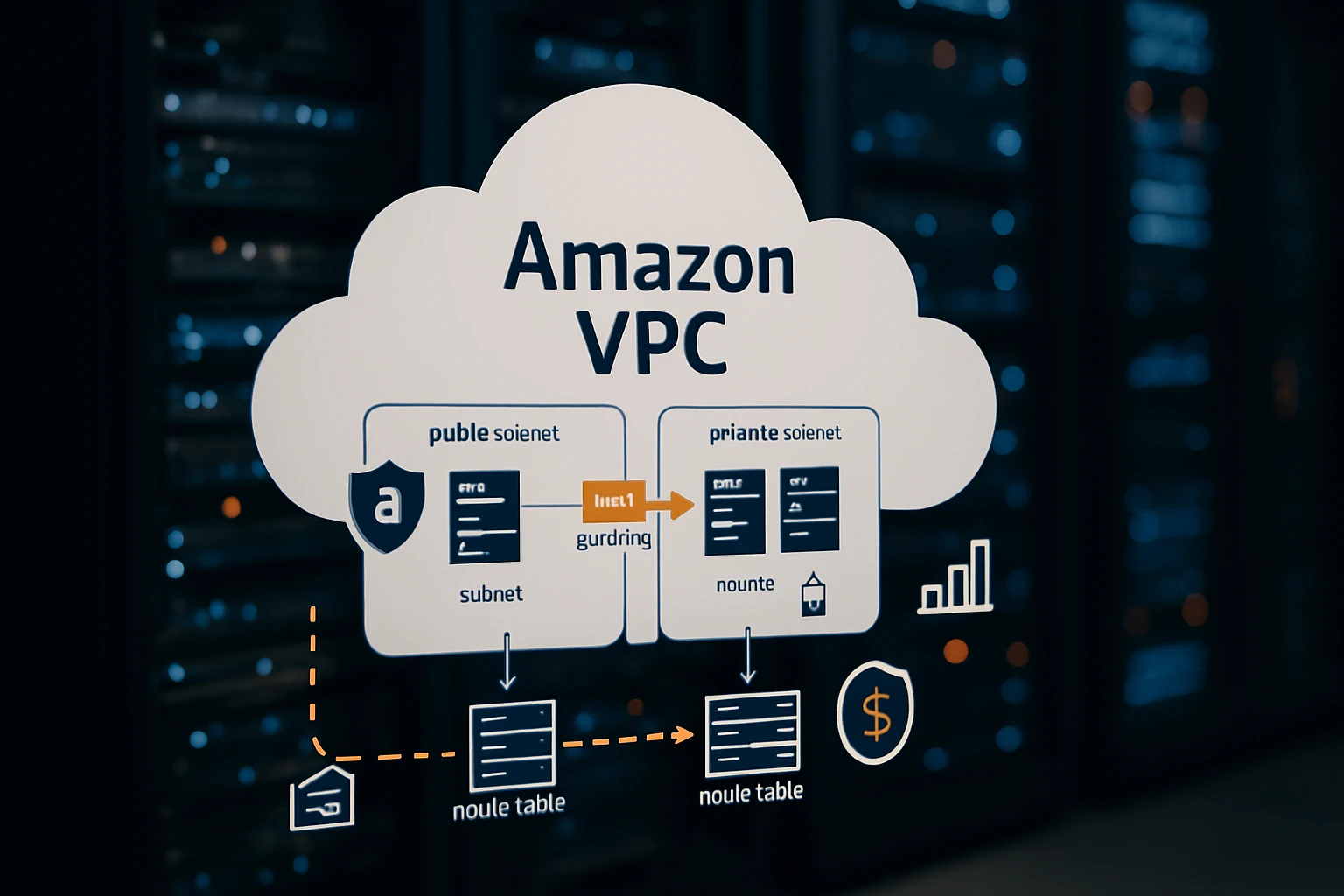


The cybersecurity landscape has become increasingly complex, with organizations facing threats from multiple vectors simultaneously. Traditional security approaches that rely on individual, disconnected solutions often leave gaps that malicious actors can exploit. This complexity drives the need for comprehensive security frameworks that can address modern threat environments effectively.
Unified Threat Management represents an integrated approach to cybersecurity that consolidates multiple security functions into a single, cohesive platform. Rather than managing separate firewalls, antivirus programs, intrusion detection systems, and content filters independently, UTM solutions provide centralized protection through a unified interface. This consolidation promises enhanced security posture, simplified management, and improved visibility across the entire security infrastructure.
Understanding UTM systems requires exploring their core components, operational mechanisms, and practical implementation strategies. This comprehensive examination will reveal how these integrated platforms detect, prevent, and respond to various security threats while providing organizations with the tools needed to maintain robust cybersecurity defenses in an ever-evolving threat landscape.
Core Architecture and Design Principles
UTM systems operate on the fundamental principle of defense in depth, implementing multiple layers of security controls within a single appliance or software platform. The architecture typically consists of a central processing engine that coordinates various security modules, each designed to address specific threat categories.
The underlying design philosophy emphasizes real-time threat analysis and automated response capabilities. UTM platforms process network traffic through multiple inspection engines simultaneously, analyzing data packets for malicious content, suspicious behavior patterns, and policy violations. This parallel processing approach ensures comprehensive threat detection without significantly impacting network performance.
"The strength of unified security lies not in individual components, but in their seamless integration and coordinated response to emerging threats."
Modern UTM architectures incorporate cloud-based threat intelligence feeds that provide continuous updates on emerging attack vectors, malware signatures, and vulnerability information. This integration ensures that local security policies remain current with global threat trends while maintaining the flexibility to address organization-specific security requirements.
Essential Security Components
Network Firewall Capabilities
The firewall component serves as the foundational element of any UTM system, controlling network access based on predetermined security policies. Advanced stateful packet inspection examines not only individual data packets but also the context of network connections, ensuring that traffic flows conform to established communication patterns.
Next-generation firewall features include application-aware filtering that identifies and controls specific applications regardless of the network ports they utilize. This capability proves particularly valuable in environments where users attempt to bypass security controls through non-standard application configurations or encrypted tunnels.
Deep packet inspection technologies analyze the content of network communications beyond traditional header information. This examination enables the detection of sophisticated threats that attempt to hide within legitimate network protocols or exploit application-specific vulnerabilities.
Intrusion Detection and Prevention Systems
UTM platforms integrate both signature-based and behavior-based intrusion detection mechanisms to identify potential security incidents. Signature-based detection relies on predefined patterns of known attack methods, while behavioral analysis identifies anomalous activities that may indicate previously unknown threats.
The prevention component automatically responds to detected intrusions through various mechanisms including connection termination, traffic redirection, and alert generation. Advanced systems can implement graduated response strategies that escalate countermeasures based on threat severity and organizational policies.
| Detection Method | Response Time | Accuracy Rate | Resource Usage |
|---|---|---|---|
| Signature-based | Immediate | 95-98% | Low |
| Behavioral | 2-5 minutes | 85-92% | Medium |
| Machine Learning | 30 seconds | 88-95% | High |
| Hybrid Approach | 10-30 seconds | 93-97% | Medium-High |
Real-time correlation engines analyze multiple data sources simultaneously to reduce false positive rates while ensuring that legitimate security incidents receive appropriate attention. This correlation capability distinguishes between isolated events and coordinated attack campaigns that might otherwise evade detection.
Anti-Malware Protection
Comprehensive malware protection within UTM systems encompasses multiple detection technologies including signature scanning, heuristic analysis, and sandboxing capabilities. Traditional signature-based scanning identifies known malware variants through pattern matching, while heuristic analysis examines code behavior to detect previously unknown threats.
Sandboxing technology creates isolated execution environments where suspicious files can be analyzed safely without risking system compromise. This approach proves particularly effective against zero-day exploits and advanced persistent threats that employ sophisticated evasion techniques.
"Effective malware protection requires a multi-layered approach that combines proven detection methods with innovative analysis techniques."
Cloud-based reputation services enhance local malware detection by providing real-time intelligence about file origins, distribution patterns, and global threat assessments. This integration enables UTM systems to make informed decisions about potentially malicious content before it enters the protected network environment.
Content Filtering and Web Security
Web security components control access to internet resources based on content categories, security ratings, and organizational policies. URL filtering examines web destinations against comprehensive databases of categorized websites, blocking access to inappropriate or potentially dangerous content.
Advanced content inspection analyzes web page elements including embedded scripts, downloadable files, and interactive content to identify security risks. This examination extends beyond simple URL blocking to provide protection against drive-by downloads, malicious advertisements, and compromised legitimate websites.
SSL/TLS inspection capabilities enable UTM systems to examine encrypted web traffic for security threats while maintaining user privacy and compliance requirements. This functionality requires careful implementation to balance security effectiveness with performance considerations and regulatory obligations.
Operational Mechanisms and Processes
Traffic Flow Analysis
UTM systems implement sophisticated traffic analysis mechanisms that examine network communications at multiple layers of the OSI model. Flow-based analysis tracks communication patterns between network endpoints to identify anomalous behaviors that might indicate security incidents or policy violations.
Session state tracking maintains awareness of ongoing network connections, enabling the system to detect connection hijacking attempts, session replay attacks, and other sophisticated intrusion techniques. This stateful approach provides enhanced security compared to traditional packet-filtering methods.
Quality of Service (QoS) integration ensures that security processing does not unduly impact critical business applications. Priority-based traffic handling allows important communications to receive expedited security processing while maintaining comprehensive protection across all network flows.
Policy Management Framework
Centralized policy management provides administrators with unified control over all security functions within the UTM platform. Policy hierarchies enable the creation of organization-wide security standards while allowing for department-specific or user-group customizations.
Automated policy enforcement reduces the risk of configuration errors while ensuring consistent security posture across the entire network infrastructure. Rule optimization features analyze policy effectiveness and recommend improvements to enhance both security and performance.
"Successful security implementation depends on policies that are both comprehensive in scope and practical in application."
Policy templates accelerate deployment in common scenarios while maintaining the flexibility to address unique organizational requirements. Version control and audit logging capabilities provide accountability and enable rapid rollback of policy changes when necessary.
Threat Intelligence Integration
Modern UTM systems leverage multiple threat intelligence sources to enhance detection capabilities and reduce response times to emerging threats. Automated intelligence feeds provide continuous updates on malware signatures, suspicious IP addresses, and attack indicators.
Contextual threat analysis correlates local security events with global threat intelligence to provide enhanced situational awareness. This correlation enables security teams to understand whether detected incidents represent isolated events or components of larger attack campaigns.
| Intelligence Source | Update Frequency | Coverage Scope | Integration Method |
|---|---|---|---|
| Commercial Feeds | Real-time | Global | API Integration |
| Open Source | Hourly | Varied | RSS/XML Feeds |
| Government | Daily | Regional | Secure Channels |
| Industry Sharing | Variable | Sector-specific | Secure Portals |
Threat hunting capabilities enable proactive security analysis by providing tools to search for indicators of compromise across historical and real-time data. These capabilities transform UTM systems from purely reactive security tools into platforms for proactive threat detection and analysis.
Implementation Strategies and Best Practices
Deployment Architectures
UTM systems can be deployed in various configurations depending on organizational requirements, network topology, and performance considerations. Inline deployment positions the UTM appliance directly in the network path, providing maximum security coverage but requiring careful capacity planning to avoid performance bottlenecks.
Bridge mode deployment enables transparent integration into existing network infrastructures without requiring significant addressing changes. This approach simplifies initial implementation while maintaining comprehensive security coverage across network segments.
High availability configurations ensure continuous security protection through redundant UTM appliances and automated failover mechanisms. Load balancing capabilities distribute security processing across multiple devices to handle high-volume network environments effectively.
Performance Optimization
Effective UTM implementation requires careful attention to performance optimization to ensure that security processing does not negatively impact business operations. Hardware acceleration technologies offload computationally intensive security functions to dedicated processing units, improving overall system throughput.
Traffic prioritization mechanisms ensure that critical business applications receive appropriate bandwidth allocation while maintaining comprehensive security inspection. Bypass capabilities allow for temporary security relaxation during peak usage periods while maintaining audit trails of such decisions.
"Optimal security performance requires balancing comprehensive protection with practical operational requirements."
Capacity planning involves analyzing network traffic patterns, security processing requirements, and growth projections to ensure adequate system resources. Regular performance monitoring identifies potential bottlenecks before they impact business operations.
Integration with Existing Infrastructure
Successful UTM implementation requires seamless integration with existing network infrastructure, security tools, and management systems. Directory service integration enables consistent user authentication and authorization across security and business systems.
SIEM integration provides centralized logging and correlation capabilities that enhance overall security monitoring effectiveness. API connectivity enables automated security orchestration and response workflows that reduce manual intervention requirements.
Network segmentation strategies leverage UTM capabilities to create secure zones within the network infrastructure. Micro-segmentation approaches apply granular security controls to individual network segments, reducing the potential impact of security incidents.
Advanced Features and Capabilities
Application Control and Visibility
Modern UTM systems provide granular application control capabilities that extend beyond traditional port-based filtering. Deep packet inspection identifies applications based on behavioral characteristics rather than network port usage, enabling effective control over applications that attempt to evade detection.
Application risk assessment features evaluate the security implications of various applications and provide recommendations for appropriate control policies. Bandwidth management capabilities ensure that non-business applications do not consume excessive network resources.
User-based application policies enable different access controls for various user groups while maintaining comprehensive visibility into application usage patterns. This granular control supports both security objectives and business productivity requirements.
Advanced Persistent Threat Detection
UTM platforms incorporate sophisticated analysis capabilities designed to detect advanced persistent threats that employ multiple attack vectors and long-term persistence strategies. Behavioral analysis engines establish baseline patterns of normal network activity and identify deviations that might indicate ongoing intrusion attempts.
Command and control communication detection identifies network traffic patterns associated with malware communication channels. This capability enables the detection of compromised systems that might otherwise operate undetected within the network environment.
"Advanced threats require advanced detection capabilities that go beyond traditional signature-based approaches."
File analysis capabilities examine documents and executables for embedded malicious content, including macro-based attacks and steganographic techniques. Sandboxing environments provide safe analysis of suspicious files without risking system compromise.
Cloud Security Integration
Cloud-based security services enhance local UTM capabilities through access to global threat intelligence, advanced analysis capabilities, and scalable processing resources. Hybrid deployment models combine on-premises UTM appliances with cloud-based security services to optimize both performance and protection effectiveness.
Software-as-a-Service security features provide access to advanced analysis capabilities without requiring local infrastructure investment. These services include advanced malware analysis, threat hunting tools, and specialized security expertise.
Multi-cloud security management enables consistent security policies across various cloud platforms and hybrid infrastructure deployments. Centralized visibility provides unified security monitoring regardless of where resources are deployed.
Management and Monitoring Capabilities
Centralized Administration
UTM platforms provide comprehensive management interfaces that enable administrators to configure, monitor, and maintain all security functions from a single console. Role-based access controls ensure that administrative privileges are appropriately distributed while maintaining security oversight.
Configuration management features include backup and restore capabilities, change tracking, and automated deployment tools. These capabilities reduce the risk of configuration errors while enabling rapid recovery from system failures or misconfigurations.
Multi-device management capabilities enable centralized control over distributed UTM deployments. This centralization simplifies policy management and ensures consistent security posture across multiple locations.
Reporting and Analytics
Comprehensive reporting capabilities provide visibility into security events, network utilization, and policy effectiveness. Customizable dashboards enable stakeholders to access relevant information while maintaining appropriate levels of detail for their responsibilities.
Compliance reporting features generate automated reports that demonstrate adherence to various regulatory requirements and security standards. These reports reduce the administrative burden of compliance activities while ensuring accurate documentation of security controls.
"Effective security management requires comprehensive visibility into both threats and system performance."
Trend analysis capabilities identify patterns in security events and network usage that might indicate emerging threats or changing business requirements. Predictive analytics features help anticipate future security needs and resource requirements.
Incident Response Integration
UTM systems provide automated incident response capabilities that can execute predefined actions when specific security events occur. Response workflows can include network isolation, alert generation, evidence collection, and stakeholder notification.
Forensic capabilities preserve evidence of security incidents while maintaining chain of custody requirements. Detailed logging and packet capture features provide the information necessary for thorough incident investigation and legal proceedings.
Integration with external incident response tools and services enables coordinated response to complex security incidents. API connectivity supports automated information sharing and response coordination across multiple security platforms.
Future Trends and Developments
Artificial Intelligence Integration
Machine learning capabilities are increasingly integrated into UTM platforms to enhance threat detection accuracy and reduce false positive rates. Behavioral analysis engines learn from network patterns to identify anomalous activities that might indicate security incidents.
Automated threat hunting capabilities leverage artificial intelligence to proactively search for indicators of compromise across network data. These capabilities enable security teams to identify threats that might otherwise remain undetected.
Natural language processing features enhance security monitoring by analyzing communication content for indicators of social engineering attacks, data exfiltration attempts, and other content-based threats.
Zero Trust Architecture Support
UTM systems are evolving to support zero trust security models that assume no implicit trust within network boundaries. Identity-based access controls verify user and device identities before granting network access regardless of location.
Continuous authentication mechanisms monitor ongoing user activities to detect account compromise or insider threats. Behavioral analytics identify deviations from normal user patterns that might indicate unauthorized access.
"Zero trust principles transform security from perimeter-based protection to comprehensive identity and behavior verification."
Micro-segmentation capabilities create granular network zones that limit the potential impact of security incidents. Dynamic policy enforcement adjusts access controls based on real-time risk assessments and threat intelligence.
What is the primary difference between UTM and traditional security solutions?
UTM systems integrate multiple security functions into a single platform, providing centralized management and coordinated threat response. Traditional solutions typically require separate management of individual security tools, which can create gaps in protection and increase administrative complexity.
How does UTM performance compare to dedicated security appliances?
Modern UTM systems utilize hardware acceleration and optimized processing to deliver performance comparable to dedicated appliances while providing the benefits of integrated management. Performance varies based on the specific features enabled and network traffic characteristics.
Can UTM systems scale to support large enterprise environments?
Yes, UTM systems can scale through various deployment models including high availability clusters, load balancing configurations, and distributed management architectures. Cloud-based components can provide additional scalability for processing-intensive security functions.
What are the main considerations for UTM deployment planning?
Key considerations include network topology analysis, capacity planning for security processing requirements, integration with existing infrastructure, and policy development for various security functions. Performance testing and gradual rollout strategies help ensure successful implementation.
How do UTM systems handle encrypted traffic inspection?
UTM systems can perform SSL/TLS inspection by acting as a proxy to decrypt, inspect, and re-encrypt traffic. This requires careful implementation to maintain security while addressing privacy concerns and regulatory requirements. Some systems also use metadata analysis for encrypted traffic that cannot be decrypted.
What maintenance requirements do UTM systems have?
Regular maintenance includes signature updates, firmware patches, policy reviews, and performance monitoring. Automated update mechanisms reduce manual maintenance requirements while ensuring current protection against emerging threats. Regular backup and configuration review procedures are also essential.