
The relentless growth of our digital society has fundamentally transformed how we store, process, and access information. Every click, swipe, and digital interaction relies on massive infrastructures working silently behind the scenes. These technological powerhouses have become the backbone of modern civilization, supporting everything from social media platforms to critical healthcare systems. Understanding their operation and significance reveals the intricate web of technology that powers our connected world.
Data centers represent specialized facilities designed to house computer systems, networking equipment, and storage devices that enable digital services to function seamlessly. They serve as the physical foundation for cloud computing, online services, and digital communications that billions of people depend on daily. This exploration will examine multiple perspectives on their operation, environmental impact, economic significance, and future evolution in our increasingly digital landscape.
Readers will gain comprehensive insights into how these technological hubs operate, their critical role in supporting modern digital infrastructure, and the challenges they face in an era of explosive data growth. From understanding the complex cooling systems that keep servers running to exploring the economic forces driving their expansion, this deep dive will illuminate the fascinating world of digital infrastructure that most people never see but constantly rely upon.
Understanding the Fundamental Architecture
Modern digital infrastructure facilities operate as highly sophisticated ecosystems designed to maximize computational efficiency while maintaining absolute reliability. The physical architecture typically spans multiple levels, with each floor serving specific functions within the overall operational framework.
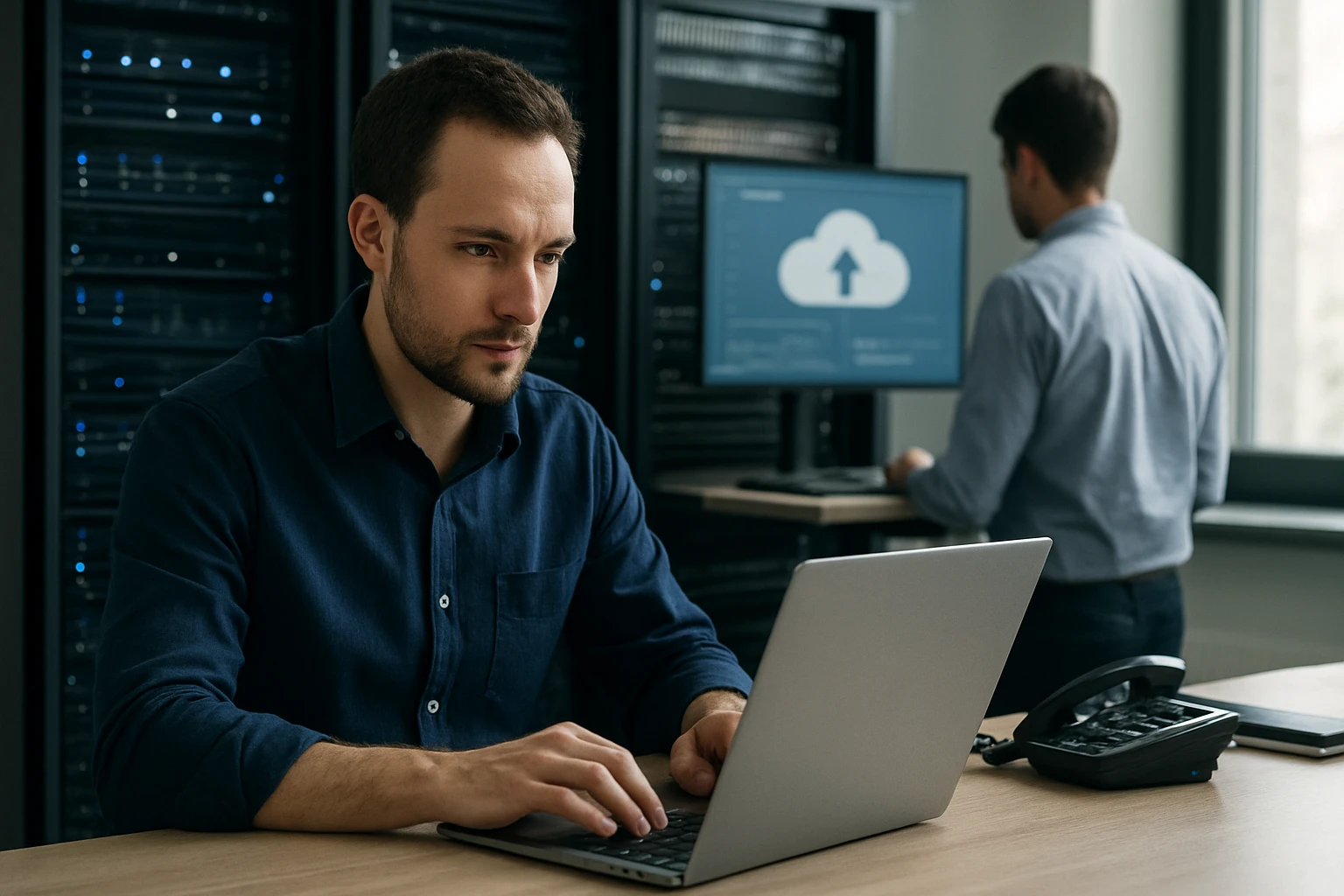
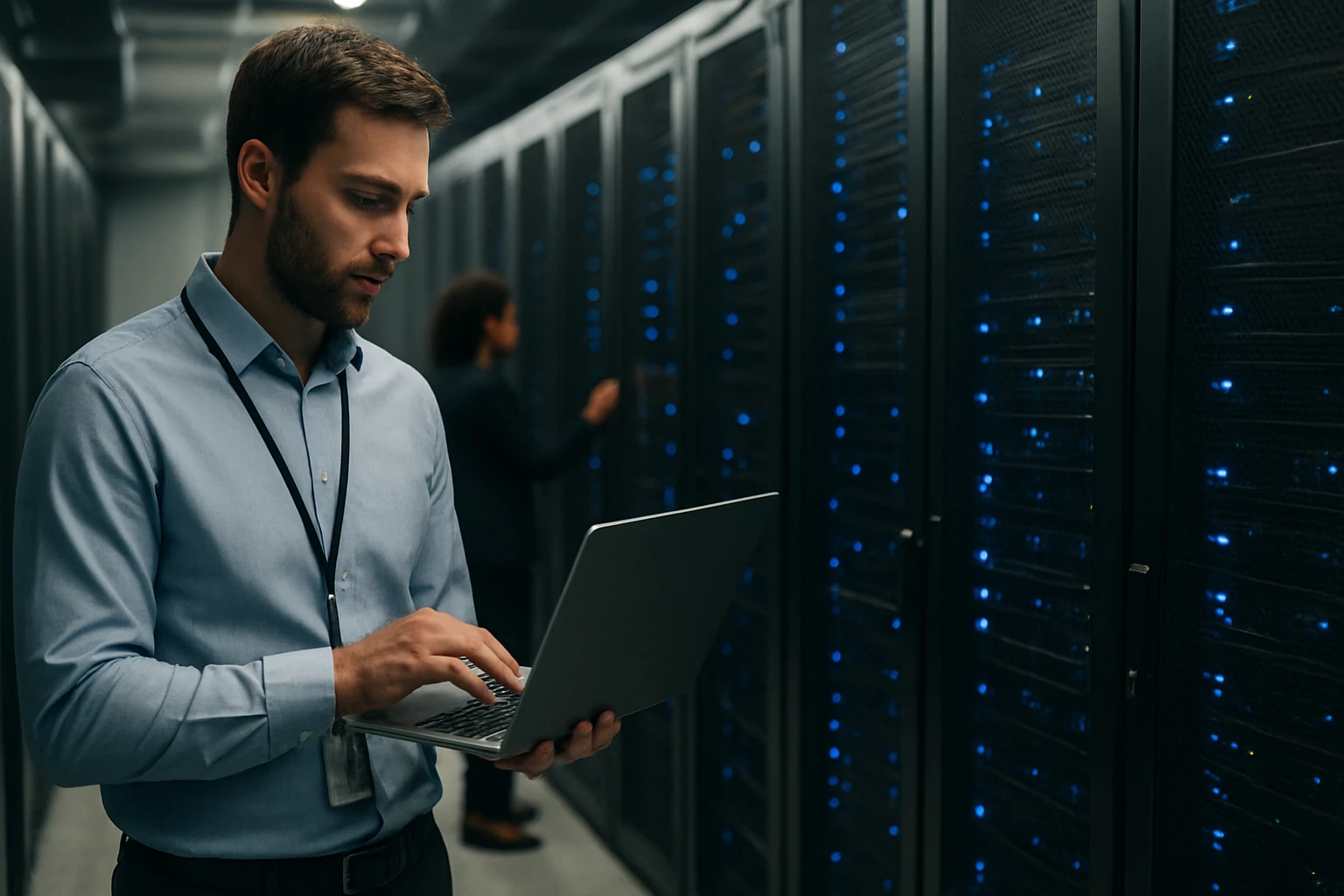
The server hall represents the heart of any facility, containing rows upon rows of computing equipment arranged in standardized racks. These racks house servers, storage devices, and networking equipment that process and store vast amounts of digital information. The layout follows strict geometric patterns optimized for airflow management and accessibility.
Power distribution systems form the circulatory system of these facilities. Multiple redundant electrical feeds ensure continuous operation even during utility outages. Uninterruptible power supplies (UPS) provide immediate backup power, while diesel generators offer extended emergency power capabilities.
Critical Infrastructure Components
The networking infrastructure connects thousands of individual components into a cohesive system capable of handling massive data volumes. High-speed fiber optic cables create pathways for information to flow between servers, storage systems, and external networks. Network switches and routers direct traffic efficiently, ensuring optimal performance across the entire facility.
Security systems protect both physical and digital assets through multiple layers of protection. Biometric access controls, surveillance cameras, and intrusion detection systems safeguard the physical infrastructure. Cybersecurity measures include firewalls, intrusion prevention systems, and continuous monitoring tools that protect against digital threats.
Storage systems have evolved from traditional hard drives to sophisticated arrays combining solid-state drives, traditional spinning disks, and emerging storage technologies. These systems provide the foundation for cloud storage services that consumers and businesses rely upon for backup, archiving, and active data management.
Cooling and Environmental Management
"The challenge of managing heat generation in modern computing facilities has become one of the most critical factors determining operational efficiency and environmental sustainability."
Temperature control represents one of the most complex and energy-intensive aspects of facility operation. Computing equipment generates substantial heat during normal operation, requiring sophisticated cooling systems to maintain optimal operating temperatures. Traditional air conditioning systems have given way to more efficient cooling technologies.
Liquid cooling systems have gained prominence as server densities increase and heat generation intensifies. These systems circulate coolant directly to heat-generating components, removing thermal energy more efficiently than air-based systems. Some facilities employ innovative approaches such as immersion cooling, where entire servers operate submerged in specially designed cooling fluids.
Advanced Cooling Technologies
Free cooling techniques leverage external environmental conditions to reduce energy consumption. When outdoor temperatures drop below certain thresholds, facilities can use outside air for cooling, significantly reducing electrical consumption. This approach works particularly well in cooler climates and during winter months.
Hot aisle/cold aisle configurations optimize airflow patterns within server halls. This arrangement separates equipment intake areas from exhaust zones, preventing hot air recirculation and improving cooling efficiency. Containment systems further enhance this approach by creating physical barriers between hot and cold air zones.
Evaporative cooling systems use water evaporation to reduce air temperature in dry climates. These systems consume significantly less electricity than traditional refrigeration-based cooling while providing effective temperature control in appropriate environmental conditions.
| Cooling Method | Energy Efficiency | Initial Cost | Maintenance Requirements | Climate Suitability |
|---|---|---|---|---|
| Traditional HVAC | Low | Moderate | High | Universal |
| Liquid Cooling | High | High | Moderate | Universal |
| Free Cooling | Very High | Low | Low | Cool Climates |
| Evaporative Cooling | High | Moderate | Moderate | Dry Climates |
Power Management and Energy Efficiency
Electrical power consumption represents the largest operational expense for most facilities, driving continuous innovation in energy management technologies. Modern facilities typically consume between 10-50 megawatts of electricity, equivalent to powering thousands of homes. This massive energy requirement has sparked development of increasingly sophisticated power management systems.
Power Usage Effectiveness (PUE) has become the standard metric for measuring energy efficiency. This ratio compares total facility energy consumption to energy used directly by computing equipment. Industry leaders have achieved PUE ratios approaching 1.1, meaning only 10% of total energy goes toward supporting infrastructure rather than computing tasks.
Renewable energy integration has become increasingly important as organizations seek to reduce their environmental footprint. Solar panels, wind turbines, and hydroelectric power provide clean energy sources for facility operations. Some facilities achieve carbon neutrality through a combination of renewable energy generation and carbon offset programs.
Smart Power Distribution
Intelligent power distribution units monitor electrical consumption at individual rack and server levels. This granular monitoring enables facility operators to optimize power allocation, identify inefficient equipment, and predict maintenance needs before failures occur. Real-time monitoring also supports capacity planning and helps prevent power-related outages.
Battery storage systems provide backup power during brief utility interruptions while generators start up. Modern lithium-ion battery systems offer improved energy density and longer operational life compared to traditional lead-acid batteries. These systems can maintain facility operations for 15-30 minutes during power transitions.
Load balancing technologies distribute computational workloads across multiple servers and facilities to optimize energy consumption. During peak demand periods, workloads can shift to facilities with available capacity or lower energy costs. This dynamic allocation improves overall system efficiency while reducing operational costs.
Network Infrastructure and Connectivity
"The interconnected nature of modern digital services requires network infrastructure capable of handling exponential data growth while maintaining microsecond response times."
Network architecture within modern facilities has evolved to support increasingly demanding performance requirements. High-speed interconnects between servers enable distributed computing applications that span multiple physical machines. These connections must provide both high bandwidth and low latency to support real-time applications.
Fiber optic networks form the backbone of facility connectivity, providing the bandwidth necessary to handle massive data transfers. Single-mode and multi-mode fiber cables support different distance and performance requirements throughout the facility. Advanced wavelength division multiplexing technologies allow multiple data streams to share individual fiber strands.
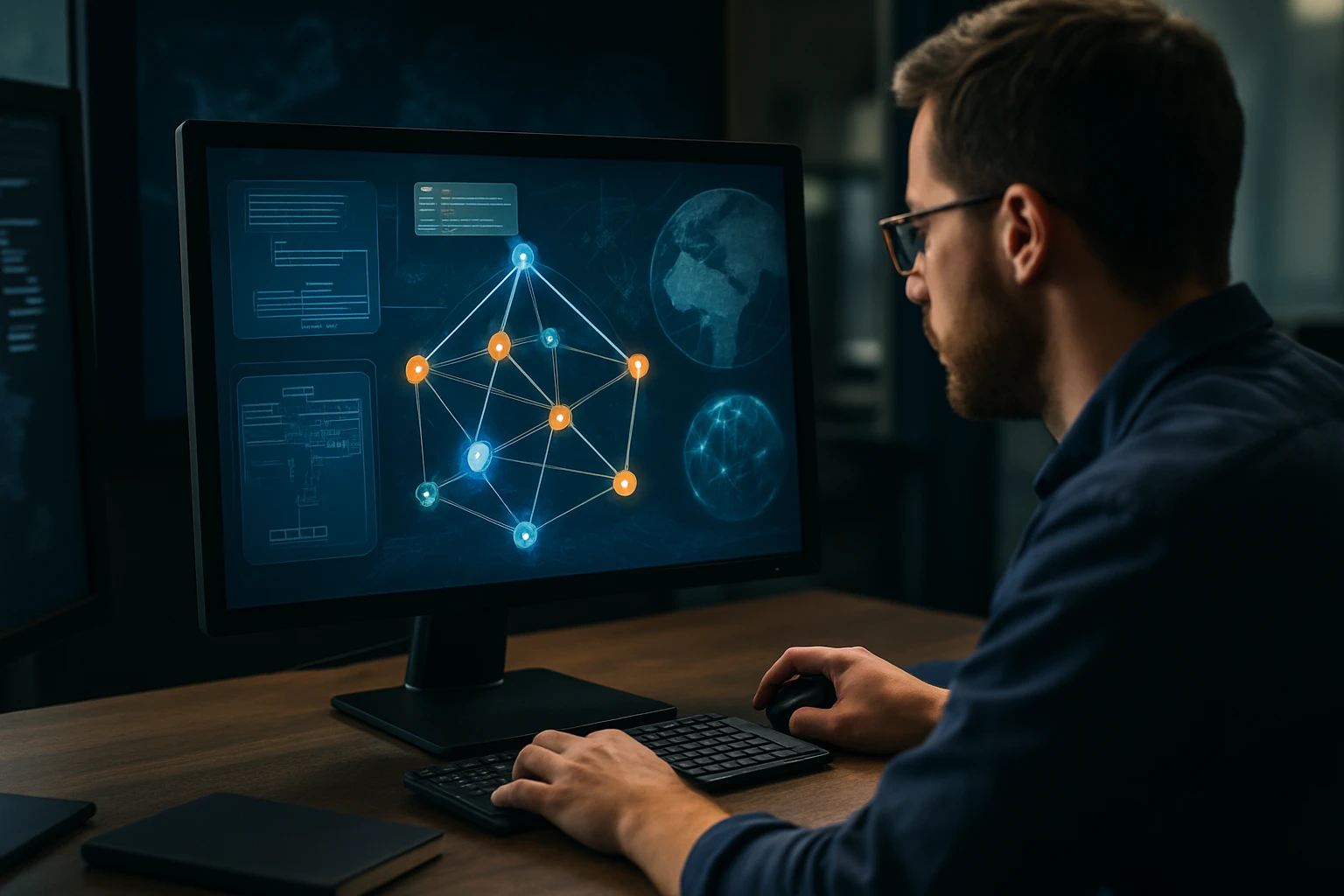
Software-defined networking (SDN) enables dynamic network configuration and management. This approach separates network control logic from physical hardware, allowing administrators to modify network behavior through software rather than manual hardware reconfiguration. SDN facilitates rapid deployment of new services and improved network security.
External Connectivity Solutions
Internet exchange points provide direct connections between different network providers, reducing latency and improving performance for end users. Major facilities often host multiple internet service providers, creating redundant connectivity options that ensure service availability even during network outages.
Content delivery networks leverage facility infrastructure to cache frequently accessed content closer to end users. This distributed approach reduces bandwidth consumption on long-distance network links while improving response times for popular websites and applications.
Private network connections enable enterprise customers to access facility resources without traversing the public internet. These dedicated connections provide enhanced security and guaranteed performance levels for mission-critical applications.
Security and Physical Protection
Physical security measures protect valuable computing equipment and sensitive data from unauthorized access and environmental threats. Multi-layered security approaches combine various technologies and procedures to create comprehensive protection systems. Access control systems verify individual identity before granting facility entry.
Biometric authentication systems use fingerprints, iris scans, or facial recognition to verify authorized personnel. These systems provide higher security than traditional key cards or passwords while maintaining detailed access logs for security auditing. Mantrap entries prevent unauthorized individuals from following authorized personnel into secure areas.
Surveillance systems monitor all facility areas through high-resolution cameras and motion detection sensors. Modern systems use artificial intelligence to identify unusual behavior patterns and potential security threats. Video analytics can detect unauthorized access attempts, equipment tampering, or other suspicious activities.
Environmental Protection Systems
Fire suppression systems protect equipment from fire damage while minimizing water damage to sensitive electronics. Clean agent suppression systems use inert gases or chemical compounds that extinguish fires without leaving residue on electronic components. These systems activate automatically when smoke or heat sensors detect potential fire conditions.
Flood detection systems monitor for water intrusion that could damage electrical systems. Sensors placed throughout the facility detect moisture accumulation and trigger alarms before significant damage occurs. Automated shutoff systems can isolate affected areas and prevent water spread to critical equipment zones.
Seismic protection measures ensure facility operation during earthquakes and other ground movement events. Specialized mounting systems secure equipment racks to building structures while allowing controlled movement during seismic events. Backup systems maintain operation even if primary systems suffer earthquake damage.
Operational Management and Monitoring
"Effective facility management requires constant vigilance and sophisticated monitoring systems that can predict and prevent problems before they impact service availability."
Building management systems integrate multiple facility subsystems into unified monitoring and control platforms. These systems track temperature, humidity, power consumption, and equipment status across the entire facility. Centralized dashboards provide operators with real-time visibility into all critical systems.
Predictive maintenance programs use sensor data and machine learning algorithms to identify equipment that may fail before actual failures occur. This proactive approach reduces unplanned downtime while optimizing maintenance costs. Vibration sensors, temperature monitors, and electrical measurements provide early warning signs of potential equipment problems.
Automated response systems can address common issues without human intervention. When cooling systems detect rising temperatures, automated controls can increase fan speeds, activate additional cooling units, or migrate workloads to cooler facility areas. These rapid responses prevent minor issues from becoming major problems.
Performance Optimization Strategies
Capacity planning ensures adequate resources remain available for future growth while avoiding expensive over-provisioning. Historical usage patterns, growth projections, and performance requirements guide decisions about equipment procurement and facility expansion. Advanced modeling tools simulate different scenarios to optimize resource allocation.
Workload orchestration systems automatically distribute computing tasks across available resources to maximize efficiency. These systems consider factors such as current utilization levels, power consumption, and cooling capacity when making placement decisions. Dynamic workload migration can respond to changing conditions in real-time.
Service level agreements define performance standards and availability requirements for different types of applications. Monitoring systems track actual performance against these standards and alert operators when service levels approach violation thresholds. Automated remediation procedures can often restore service levels without manual intervention.
Economic Impact and Industry Significance
The economic influence of digital infrastructure extends far beyond the facilities themselves, creating ripple effects throughout local and global economies. Construction of major facilities often requires investments exceeding $1 billion, creating thousands of construction jobs and stimulating local economic development. These projects attract additional technology companies and supporting businesses to surrounding areas.
Employment opportunities within the industry span multiple skill levels and specializations. Facility technicians maintain and repair equipment, while network engineers design and optimize connectivity solutions. Cybersecurity specialists protect against digital threats, and project managers coordinate complex infrastructure deployments.
Real estate markets experience significant impact from facility development, particularly in areas with favorable conditions such as low energy costs, reliable utilities, and strategic geographic locations. Property values often increase in surrounding areas as technology companies establish regional presences to support their infrastructure investments.
Global Economic Trends
International competition for facility investment has intensified as countries recognize the strategic importance of digital infrastructure. Governments offer tax incentives, infrastructure improvements, and regulatory advantages to attract major technology companies. This competition drives innovation in facility design and operational efficiency.
Supply chain dependencies have become increasingly apparent as global demand for computing equipment outpaces manufacturing capacity. Semiconductor shortages, shipping delays, and geopolitical tensions affect facility expansion plans and operational costs. Diversified supply chains help mitigate these risks but require careful management.
Energy market integration creates both opportunities and challenges for facility operators. Participation in electricity markets through demand response programs can generate additional revenue while supporting grid stability. However, energy price volatility and regulatory changes require sophisticated energy management strategies.
| Economic Factor | Local Impact | Regional Impact | Global Impact | Time Horizon |
|---|---|---|---|---|
| Construction Investment | High | Moderate | Low | 2-5 years |
| Operational Employment | High | Moderate | Low | Ongoing |
| Technology Ecosystem | Moderate | High | Moderate | 5-10 years |
| Energy Market Integration | Moderate | High | High | Ongoing |
Environmental Considerations and Sustainability
"The environmental footprint of digital infrastructure has become a critical consideration as society grapples with climate change while maintaining technological advancement."
Carbon emissions from facility operations contribute significantly to global greenhouse gas production. Electricity consumption for computing and cooling represents the largest source of emissions, driving industry efforts to improve energy efficiency and adopt renewable energy sources. Some facilities have achieved carbon neutrality through aggressive efficiency improvements and renewable energy procurement.
Water consumption for cooling systems has raised environmental concerns in water-scarce regions. Traditional cooling towers consume substantial amounts of water through evaporation, leading to conflicts with other water users during drought conditions. Air-cooled systems and closed-loop cooling technologies reduce water consumption but may require additional electrical energy.
Electronic waste generation from equipment replacement cycles creates disposal challenges. Servers typically operate for 3-5 years before replacement, generating thousands of tons of electronic waste annually from large facilities. Recycling programs recover valuable materials while ensuring proper disposal of hazardous components.
Sustainable Design Practices
Green building certifications encourage environmentally responsible facility design and operation. LEED certification programs evaluate energy efficiency, water conservation, materials selection, and indoor environmental quality. These standards drive innovation in sustainable construction practices and operational procedures.
Renewable energy integration reduces dependence on fossil fuel-generated electricity. On-site solar installations, wind power agreements, and hydroelectric partnerships provide clean energy sources. Energy storage systems help balance renewable energy variability with consistent facility power requirements.
Circular economy principles guide equipment lifecycle management and waste reduction strategies. Refurbishment programs extend equipment useful life, while material recovery processes extract valuable components from retired hardware. These approaches reduce both environmental impact and operational costs.
Future Technological Developments
Emerging technologies promise to reshape facility design and operation in the coming decades. Quantum computing systems require ultra-low temperature environments and specialized infrastructure that differs significantly from traditional computing equipment. Edge computing deployments bring processing power closer to end users, creating demand for smaller, distributed facilities.
Artificial intelligence applications within facility management enable more sophisticated optimization and predictive capabilities. Machine learning algorithms can identify patterns in equipment behavior that human operators might miss, leading to improved efficiency and reliability. AI-powered systems can also optimize cooling, power distribution, and workload placement in real-time.
Modular construction techniques enable faster facility deployment and greater flexibility in capacity expansion. Prefabricated modules can be manufactured off-site and assembled quickly at deployment locations. This approach reduces construction time and allows facilities to scale more precisely with demand growth.
Next-Generation Infrastructure
Optical computing technologies may reduce power consumption and heat generation compared to traditional electronic processors. These systems use light rather than electricity for computation, potentially eliminating many of the cooling challenges that current facilities face. However, optical computing remains in early development stages.
Immersive technologies such as virtual and augmented reality require ultra-low latency connections and high-performance computing resources. Supporting these applications may drive demand for edge computing facilities located closer to population centers. Remote facility management through virtual reality could also reduce operational costs and improve safety.
Autonomous systems may eventually manage many facility operations without human intervention. Robotic systems could perform routine maintenance tasks, equipment replacement, and emergency response procedures. These developments would reduce operational costs while improving safety in potentially hazardous environments.
"The evolution of digital infrastructure will ultimately determine our society's ability to harness the full potential of emerging technologies while maintaining environmental sustainability."
Global Infrastructure Distribution
Geographic distribution of facilities reflects multiple factors including energy costs, climate conditions, regulatory environments, and proximity to major population centers. Northern climates offer natural cooling advantages that reduce energy consumption, while areas with abundant renewable energy sources attract environmentally conscious operators.
Submarine cable landing points create strategic locations for international facilities that serve as gateways between different regions. These facilities handle massive volumes of international internet traffic and require specialized infrastructure to support multiple high-capacity cable systems. Political stability and favorable regulations influence investment decisions in these critical locations.
Disaster recovery considerations drive geographic diversification strategies for organizations operating multiple facilities. Natural disasters, political instability, and infrastructure failures can disrupt service availability, making geographic distribution essential for maintaining business continuity. Backup facilities in different regions provide redundancy for critical applications.
Regional Development Patterns
Developing economies increasingly invest in digital infrastructure to support economic growth and technological advancement. These investments create opportunities for technology transfer and local capacity building while providing global companies with new operational locations. However, infrastructure quality and regulatory frameworks vary significantly between regions.
Urban concentration of facilities creates both opportunities and challenges for metropolitan areas. While these investments bring economic benefits, they also strain local utility systems and create competition for skilled workers. Urban planning must balance economic development with infrastructure capacity and quality of life considerations.
Rural facility development can provide economic opportunities for less developed areas while taking advantage of lower land costs and energy prices. However, these locations may lack the skilled workforce and supporting infrastructure that urban areas provide. Successful rural deployments often require significant investments in local infrastructure and workforce development.
What is the primary purpose of a data center?
The primary purpose involves housing and operating computer systems, networking equipment, and storage devices that enable digital services to function. These facilities provide the physical infrastructure necessary for cloud computing, online services, and digital communications that billions of people use daily.
How much electricity do large data centers consume?
Large facilities typically consume between 10-50 megawatts of electricity, equivalent to powering 7,500 to 37,500 average homes. The largest facilities can consume over 100 megawatts, making them among the most energy-intensive buildings in existence.
What cooling methods are used in modern data centers?
Modern facilities employ various cooling methods including traditional HVAC systems, liquid cooling, free cooling using outside air, evaporative cooling, and emerging technologies like immersion cooling. The choice depends on climate conditions, energy costs, and efficiency requirements.
How do data centers ensure continuous operation during power outages?
Continuous operation relies on multiple redundant systems including uninterruptible power supplies (UPS) for immediate backup, diesel generators for extended outages, and multiple utility feeds from different sources. These systems work together to maintain operation even during extended power disruptions.
What security measures protect data center facilities?
Security measures include multiple layers of physical and digital protection such as biometric access controls, surveillance systems, intrusion detection, fire suppression systems, and cybersecurity measures including firewalls and monitoring tools.
How do data centers impact local economies?
Local economic impact includes construction jobs during building phases, ongoing operational employment, increased property values, attraction of related technology businesses, and significant tax revenue generation. Major facilities often become economic anchors for their communities.
What environmental challenges do data centers face?
Environmental challenges include high energy consumption contributing to carbon emissions, water usage for cooling systems, electronic waste from equipment replacement, and heat generation affecting local environments. The industry increasingly focuses on renewable energy and efficiency improvements.
How do data centers support cloud computing services?
Cloud computing services rely on facility infrastructure to provide scalable computing resources, storage capacity, and network connectivity. These facilities enable the virtualization and resource pooling that make cloud services possible, supporting everything from email to complex business applications.