

The digital landscape is filled with millions of domain names, yet many of them lead nowhere when you click on them. This fascinating phenomenon has always intrigued me because it represents one of the most misunderstood aspects of web ownership and digital real estate. Behind every parked domain lies a story of strategic planning, missed opportunities, or future ambitions waiting to unfold.
A parked domain is essentially a registered domain name that doesn't host an active website but instead displays a temporary placeholder page or redirects visitors elsewhere. This concept encompasses multiple perspectives: from domain investors who view these as valuable digital assets, to businesses securing their brand protection, to individuals holding onto memorable web addresses for future projects. The practice spans across various industries and serves different strategic purposes depending on the owner's intentions.
Throughout this exploration, you'll discover the technical mechanics behind domain parking, understand the various types and their specific applications, learn about monetization strategies that can generate passive income, and gain insights into the legal and ethical considerations surrounding this practice. Whether you're a business owner looking to protect your brand, an investor exploring digital opportunities, or simply curious about how the internet's infrastructure works, this comprehensive guide will provide you with the knowledge needed to navigate the world of parked domains effectively.
Understanding Domain Parking Fundamentals
Domain parking represents a temporary state where a registered domain name exists without hosting active website content. When someone types a parked domain into their browser, they typically encounter a basic placeholder page rather than a fully functional website. This placeholder might display advertising content, a simple "coming soon" message, or redirect visitors to another website entirely.
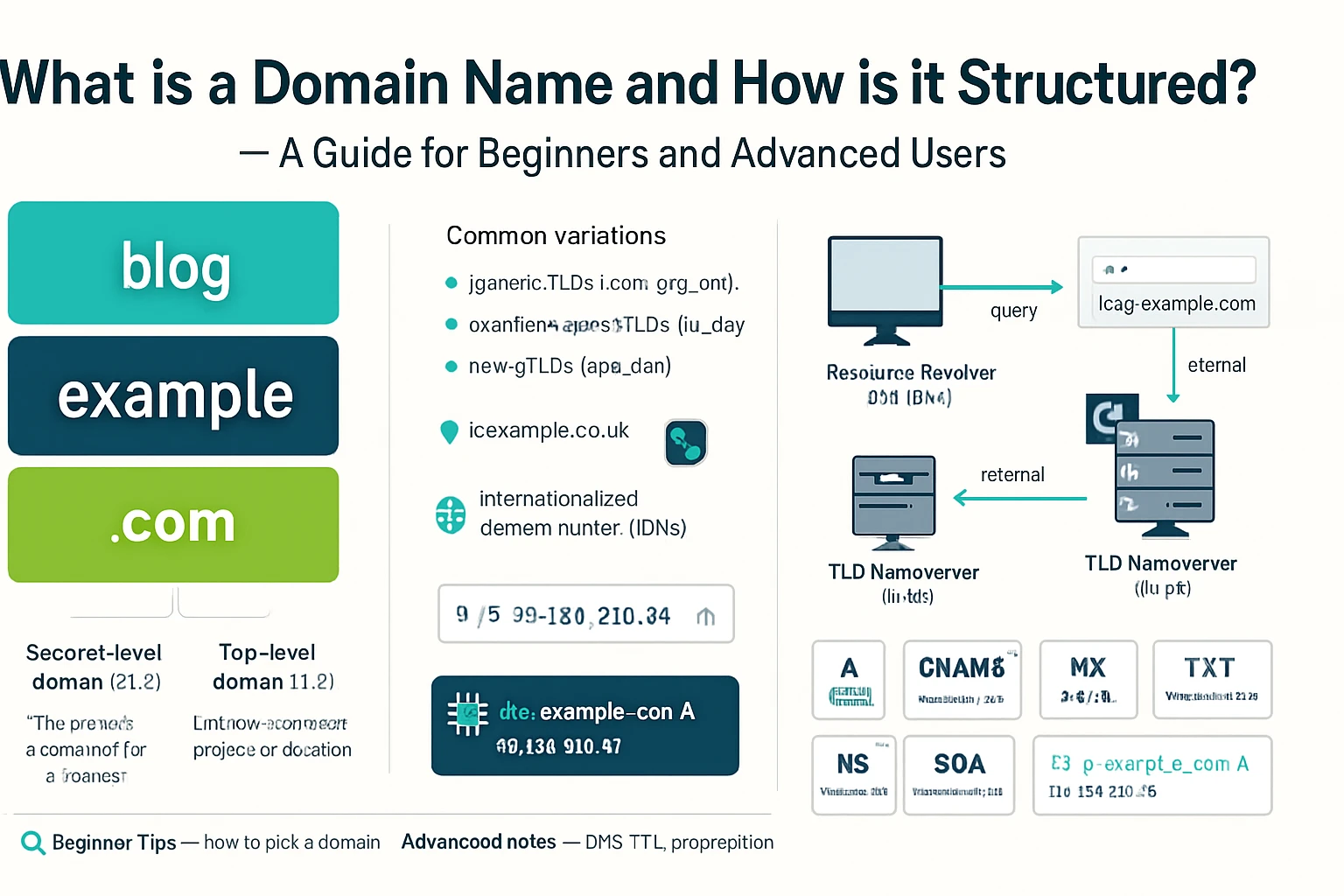
The technical process behind domain parking involves pointing the domain's DNS (Domain Name System) records to parking servers instead of web hosting servers. These parking servers generate the placeholder pages that visitors see. The domain remains fully registered and owned, but it's essentially in a holding pattern until the owner decides to develop it into a complete website.
"The value of a domain name often lies not in what it currently displays, but in its potential to capture and direct valuable web traffic to meaningful destinations."
This practice has evolved significantly since the early days of the internet. Initially, domain parking was primarily used as a temporary measure while website development was underway. Today, it has become a sophisticated industry with specialized parking services, revenue-sharing programs, and complex traffic monetization strategies.
Types of Domain Parking
Domain parking manifests in several distinct forms, each serving different purposes and audiences:
Revenue-Based Parking focuses on generating income through advertising displays. When visitors land on these parked pages, they see targeted advertisements related to the domain name's keywords. The domain owner receives a portion of the revenue generated when visitors click on these advertisements.
Placeholder Parking serves as a temporary solution while website development is in progress. These pages typically display simple messages indicating that the site is "under construction" or "coming soon," often including contact information for the future website owner.
Redirect Parking automatically forwards visitors from the parked domain to an active website. This approach is commonly used by businesses that own multiple domain variations of their primary web address, ensuring that customers can find them regardless of which version they type.
Defensive Parking involves registering and parking domains to prevent competitors or cybersquatters from acquiring them. Companies often park domains that are similar to their main brand name, including common misspellings and alternative extensions.
The Business of Domain Parking
The domain parking industry has developed into a substantial economic ecosystem. Professional domain investors, known as domainers, often maintain portfolios containing hundreds or thousands of parked domains. These digital assets can generate passive income through advertising revenue while potentially appreciating in value over time.
Parking services typically operate on a revenue-sharing model. When a domain generates income through visitor clicks on advertisements, the parking service retains a percentage while passing the remainder to the domain owner. The split varies depending on the parking service, traffic volume, and the quality of the domain name.
"Success in domain parking requires understanding that traffic quality matters more than quantity – targeted visitors who find relevant content are far more valuable than random clicks."
The profitability of domain parking depends heavily on several factors. Domains with high-value keywords, substantial natural traffic, and clear commercial intent tend to perform better. For example, a domain related to insurance or financial services might generate significantly more revenue per visitor than one focused on general entertainment topics.
Monetization Strategies
Effective domain parking monetization requires strategic thinking about traffic sources and visitor intent. Type-in traffic represents the most valuable form of visitors – these are people who directly type the domain name into their browser, suggesting strong interest in that particular topic or brand.
Search engine traffic can also contribute to parking revenue, though search engines have become increasingly sophisticated at identifying and potentially penalizing low-quality parked pages. Successful parking strategies focus on providing some level of value to visitors rather than purely extractive advertising displays.
Geographic targeting allows parking services to display region-specific advertisements, potentially increasing relevance and click-through rates. A domain about restaurants might show local dining advertisements based on the visitor's location.
The following table illustrates typical revenue factors for different domain categories:
| Domain Category | Average Revenue Potential | Traffic Quality | Competition Level |
|---|---|---|---|
| Financial Services | High | Excellent | Very High |
| Health/Medical | High | Good | High |
| Technology | Medium-High | Good | High |
| Travel/Tourism | Medium | Good | Medium |
| Entertainment | Low-Medium | Variable | Medium |
| General/Broad Terms | Low | Poor | Low |
Technical Implementation and Management
Setting up domain parking involves several technical steps that vary depending on the chosen parking service. Most parking providers offer simple DNS configuration instructions that redirect the domain to their servers. This process typically requires changing the domain's nameservers or creating specific DNS records.
DNS Configuration forms the foundation of domain parking. The domain owner must point their domain to the parking service's servers, which then serve the parking page content to visitors. This configuration can usually be completed through the domain registrar's control panel.
Traffic Analytics play a crucial role in parking success. Most parking services provide detailed statistics about visitor numbers, geographic distribution, and revenue generation. These insights help domain owners optimize their parking strategy and make informed decisions about domain development or sale.
"The most successful domain parking strategies treat each domain as a unique digital property with its own traffic patterns, visitor demographics, and optimization opportunities."
Content Customization options vary among parking services. While basic parking displays generic advertisements, premium services often allow domain owners to customize the appearance and content of their parking pages. This customization can improve visitor experience and potentially increase click-through rates.
Popular Parking Platforms
Several established companies dominate the domain parking landscape, each offering different features and revenue-sharing arrangements:
Sedo operates one of the largest domain parking networks, providing both parking services and domain marketplace functionality. Their platform offers detailed analytics and optimization tools for serious domain investors.
ParkingCrew focuses specifically on parking services with competitive revenue shares and advanced traffic optimization algorithms. They emphasize maximizing revenue per visitor through sophisticated ad targeting.
DomainSponsor provides parking services along with domain appraisal and sales assistance. Their integrated approach appeals to domain investors who want comprehensive portfolio management tools.
GoDaddy's CashParking leverages the registrar's massive customer base and advertising relationships to provide parking services primarily to their domain registration customers.
Legal and Ethical Considerations
Domain parking operates within a complex legal framework that varies by jurisdiction and involves multiple areas of law. Trademark infringement represents one of the most significant legal risks for domain parkers. Registering and parking domains that incorporate protected trademarks can result in costly legal disputes and forced domain transfers.
Cybersquatting laws, particularly the Uniform Domain-Name Dispute-Resolution Policy (UDRP) and the Anticybersquatting Consumer Protection Act (ACPA) in the United States, provide mechanisms for trademark holders to challenge domain registrations they believe infringe on their rights.
"Ethical domain parking requires balancing profit motives with respect for intellectual property rights and providing genuine value to internet users who encounter parked pages."
Good faith registration standards require that domain owners have legitimate reasons for registering domain names. Courts and arbitration panels consider factors such as the domain owner's intent, the domain's relationship to existing trademarks, and whether the registration was made primarily to profit from someone else's trademark rights.
Fair use considerations come into play when domain names incorporate common words or phrases that might also be trademarked. Generic terms, geographic locations, and descriptive phrases generally receive stronger protection than clearly branded terms.
Best Practices for Compliance
Responsible domain parking involves several key practices that help minimize legal risks while maintaining ethical standards:
Research before registration includes checking trademark databases, existing business names, and established websites before acquiring new domains. This due diligence can prevent many potential conflicts.
Provide genuine value through parking pages that offer useful information or relevant resources rather than purely exploitative advertising displays. Search engines and legal systems increasingly favor domains that serve legitimate purposes.
Respond appropriately to complaints when trademark holders raise concerns about domain registrations. Many disputes can be resolved through good-faith negotiations without requiring formal legal proceedings.
Maintain accurate registration information and ensure that contact details remain current. Anonymous or false registration information can be interpreted as evidence of bad faith in legal proceedings.
Strategic Applications for Businesses
Businesses employ domain parking strategies for various legitimate purposes beyond simple revenue generation. Brand protection represents one of the most common applications, where companies register variations of their primary domain name to prevent competitors or cybersquatters from acquiring them.
Market expansion planning often involves parking domains related to new products, services, or geographic markets before official launches. This approach secures valuable digital real estate while maintaining flexibility in development timelines.
"Smart businesses view domain parking as an insurance policy for their digital brand presence, protecting against both competitive threats and future expansion opportunities."
Marketing campaign support can utilize parked domains for temporary promotions or specific initiatives. A company might register a domain for a particular advertising campaign and park it with redirect functionality until the campaign launches.
International presence strategies frequently involve parking country-specific domain extensions while developing localized content and marketing approaches for different regions.
Portfolio Management Strategies
Large organizations often maintain extensive domain portfolios requiring sophisticated management approaches:
Centralized administration systems help track renewal dates, parking performance, and development priorities across hundreds or thousands of domains. Many companies use specialized software or services to manage these portfolios efficiently.
Performance monitoring involves regular analysis of traffic patterns, revenue generation, and competitive landscape changes that might affect domain values or strategic importance.
Development prioritization frameworks help businesses decide which parked domains deserve active website development based on factors such as traffic volume, commercial potential, and strategic alignment with business objectives.
The following table outlines common business applications for domain parking:
| Business Application | Primary Purpose | Typical Duration | Success Metrics |
|---|---|---|---|
| Brand Protection | Prevent cybersquatting | Indefinite | Reduced brand confusion |
| Product Launch Prep | Secure future domains | 6-24 months | Successful campaign launch |
| Market Research | Test domain viability | 3-12 months | Traffic and engagement data |
| Competitive Defense | Block competitor access | Indefinite | Market position maintenance |
| Investment Holding | Appreciate domain value | Variable | Revenue and appreciation |
| Geographic Expansion | Prepare for new markets | 12-36 months | Successful market entry |
Traffic Analysis and Optimization
Understanding traffic patterns forms the foundation of successful domain parking optimization. Direct navigation traffic typically provides the highest value, as these visitors intentionally sought out the specific domain name. This traffic often converts better for advertising purposes and indicates genuine interest in the domain's topic.
Referral traffic from other websites can provide insights into the domain's perceived value and relevance within specific industries or communities. High-quality referral sources often indicate that the domain has established some level of recognition or authority.
Search engine traffic requires careful analysis, as search engines increasingly filter out low-quality parked pages from their results. Domains that continue to receive organic search traffic often have inherent SEO value that could be leveraged through proper website development.
"The most valuable insights from traffic analysis come not just from visitor numbers, but from understanding visitor intent and behavior patterns that reveal the domain's true commercial potential."
Geographic distribution of visitors can inform both parking optimization and future development strategies. A domain receiving significant traffic from specific regions might benefit from localized advertising or could indicate market opportunities for business development.
Revenue Optimization Techniques
Maximizing parking revenue requires ongoing attention to multiple optimization factors:
Keyword relevance between the domain name and displayed advertisements significantly impacts click-through rates. Parking services use various algorithms to match ads to domain content, but manual optimization often yields better results.
Page layout optimization involves testing different advertisement placements, colors, and formats to improve visitor engagement. Many parking services offer A/B testing capabilities to systematically evaluate different approaches.
Traffic quality improvement focuses on attracting more valuable visitors through various means, including search engine optimization for the parking page itself, though this approach requires careful balance to avoid penalties.
Revenue per visitor analysis helps identify which traffic sources and visitor behaviors generate the highest returns, allowing for strategic focus on the most profitable aspects of the domain's performance.
Future Trends and Developments
The domain parking industry continues evolving in response to changing internet usage patterns, search engine policies, and advertising technologies. Mobile optimization has become increasingly important as mobile traffic dominates internet usage. Parking pages must provide good user experiences across all device types to maintain visitor engagement and revenue potential.
Artificial intelligence integration is beginning to influence how parking services match advertisements to domain content and visitor profiles. Machine learning algorithms can analyze visitor behavior patterns to optimize ad placement and content selection in real-time.
"The future of domain parking lies in creating genuinely useful experiences for visitors while maintaining the flexibility and revenue potential that make parking attractive to domain owners."
Privacy regulation compliance presents ongoing challenges as laws like GDPR and CCPA require careful handling of visitor data and advertising tracking. Parking services must balance revenue optimization with privacy protection requirements.
Search engine algorithm changes continue to impact the viability of traditional parking approaches. Successful parking strategies increasingly focus on providing some level of genuine value to visitors rather than purely advertising-focused experiences.
Emerging Opportunities
Several trends suggest new directions for domain parking innovation:
Content-enhanced parking involves creating parking pages with useful information related to the domain's keywords, potentially improving both visitor experience and search engine acceptance.
Social media integration allows parking pages to incorporate relevant social content or provide pathways to social media engagement, creating more dynamic and engaging visitor experiences.
Blockchain and cryptocurrency applications are beginning to influence domain parking through new monetization models, decentralized advertising networks, and alternative payment systems.
Voice search optimization may require new approaches to domain parking as voice-activated searches change how people discover and interact with websites.
What exactly happens when I visit a parked domain?
When you visit a parked domain, your browser connects to the parking service's servers instead of a traditional website. The parking service generates a page containing advertisements, placeholder content, or redirect instructions. This page is created dynamically based on the domain name's keywords and your geographic location.
Can I make money from parking my unused domains?
Yes, domain parking can generate revenue through advertising clicks and impressions. However, profitability depends on factors like domain quality, traffic volume, and keyword value. Most domains generate modest income, while premium domains with high traffic can produce substantial returns.
Is domain parking legal?
Domain parking is generally legal when done ethically. However, parking domains that infringe on trademarks or are registered in bad faith can result in legal challenges. Always research trademark conflicts and register domains with legitimate intent to avoid legal issues.
How much does domain parking cost?
Most reputable parking services are free to use and operate on revenue-sharing models. They keep a percentage of advertising income while paying the remainder to domain owners. Some premium services may charge fees for advanced features or guaranteed minimum payments.
Will parking hurt my domain's SEO value?
Traditional parking pages with only advertisements can potentially harm SEO value. However, well-designed parking pages that provide some useful content and avoid spammy practices are less likely to negatively impact future SEO efforts when the domain is developed into a full website.
How long should I park a domain before developing it?
There's no specific time limit for domain parking. Some domains remain parked indefinitely as investment assets, while others are parked temporarily during website development. The decision depends on your goals, the domain's performance, and development resources availability.