

The digital revolution has fundamentally transformed how we communicate, creating new languages and codes that bridge the gap between traditional writing and modern technology. Among these linguistic innovations, leet speak stands as one of the most fascinating phenomena to emerge from internet culture. This unique form of communication has captivated millions of users worldwide, serving as both a creative outlet and a practical tool for online interaction.
Leet speak, also known as 1337 speak, represents a form of internet slang that substitutes letters with numbers and symbols to create an alternative alphabet. This coding system promises to reveal multiple layers of meaning – from its technical origins in hacker communities to its widespread adoption across gaming platforms, social media, and digital communication channels. The phenomenon encompasses everything from simple character substitutions to complex cultural expressions that define online identity.
Through this exploration, you'll discover the intricate mechanics behind leet speak, understand its cultural significance across different online communities, and learn how this digital language continues to shape modern communication patterns. We'll examine its practical applications, decode its various forms, and investigate both the benefits and challenges it presents in our increasingly connected world.
The Origins and Evolution of Digital Code Language
The emergence of leet speak traces back to the early days of computing and bulletin board systems (BBS) in the 1980s. During this pioneering era, computer enthusiasts and programmers began experimenting with character substitutions as a way to bypass text filters and create exclusive communication methods. The term "leet" itself derives from "elite," reflecting the desire of early adopters to distinguish themselves within technical communities.
"The beauty of digital communication lies not in its uniformity, but in its infinite capacity for creative expression and community building."
Historical Development Patterns
The evolution of leet speak follows distinct phases that mirror the growth of internet culture. Initially confined to underground hacker groups and programming communities, this coding system gradually expanded into mainstream gaming environments during the 1990s. Online gaming platforms became fertile ground for leet speak adoption, as players sought efficient ways to communicate during fast-paced gameplay sessions.
The proliferation of instant messaging services and early social media platforms further accelerated its spread. Each new digital platform introduced unique constraints and opportunities that shaped how leet speak evolved. Character limits, keyboard layouts, and user demographics all influenced the development of specific leet speak variations.
Technical Foundations
Understanding leet speak requires examining its technical underpinnings. The system operates on visual similarity principles, where numbers and symbols replace letters based on their appearance. This substitution method creates a parallel alphabet that maintains readability while introducing coded elements.
The most common substitutions include replacing 'E' with '3', 'A' with '4', 'S' with '5', and 'T' with '7'. These basic transformations form the foundation upon which more complex variations build. Advanced users often combine multiple substitution methods, creating layered codes that require deeper knowledge to decipher.
Decoding the Language: Structure and Variations
The structural complexity of leet speak extends far beyond simple character substitutions. This digital language encompasses multiple levels of sophistication, from basic replacements that maintain easy readability to advanced forms that challenge even experienced users. Understanding these variations provides insight into the creative potential of digital communication.
Basic Character Substitution Systems
The fundamental level of leet speak involves straightforward number-to-letter replacements based on visual similarity. This system creates an accessible entry point for newcomers while maintaining the core identity of the communication method. Common substitutions follow logical patterns that users can quickly memorize and apply.
| Original Letter | Leet Substitution | Visual Logic |
|---|---|---|
| A | 4 | Similar angular shape |
| E | 3 | Horizontal lines match |
| I | 1 | Vertical line similarity |
| O | 0 | Circular shape match |
| S | 5 | Curved elements align |
| T | 7 | Top horizontal line |
These basic substitutions create readable text that maintains comprehensibility while introducing the distinctive leet speak aesthetic. Users can apply these replacements selectively, choosing which letters to transform based on personal preference or community standards.
Advanced Encoding Techniques
More sophisticated leet speak implementations incorporate multiple character combinations, special symbols, and creative interpretations that push the boundaries of traditional substitution methods. These advanced techniques demonstrate the artistic potential within structured communication systems.
Complex substitutions might replace entire letter combinations with symbolic representations. For example, "ck" becomes "x", "th" transforms into "7h", and "er" converts to "3r". These multi-character replacements create more fluid transformations that better integrate with the overall text flow.
"True mastery of any communication system comes from understanding not just its rules, but the creative possibilities that emerge when those rules are skillfully bent."
Regional and Community Variations
Different online communities have developed distinct leet speak dialects that reflect their unique cultures and communication needs. Gaming communities often emphasize speed and efficiency, leading to abbreviated forms that prioritize quick typing over elaborate substitutions. Technical forums might maintain more structured approaches that preserve readability while demonstrating community membership.
These variations create rich linguistic ecosystems where users can identify community affiliations through their choice of substitution patterns. The subtle differences between community dialects serve as cultural markers that strengthen group identity and facilitate recognition among members.
Cultural Impact Across Digital Communities
The influence of leet speak extends far beyond its technical applications, shaping cultural expressions and community identities across diverse online environments. This digital language has become a powerful tool for group formation, creative expression, and cultural differentiation in virtual spaces.
Gaming Culture Integration
Within gaming communities, leet speak serves multiple functional and cultural purposes. Players use coded language to communicate efficiently during gameplay while building camaraderie through shared linguistic practices. The fast-paced nature of online gaming environments makes abbreviated communication methods particularly valuable.
Gaming-specific leet speak often incorporates game-related terminology and references that create insider knowledge systems. These specialized vocabularies strengthen community bonds while establishing barriers that distinguish experienced players from newcomers. The language becomes both a communication tool and a cultural artifact that preserves gaming history and traditions.
Social Media Adaptation
Social media platforms have provided new venues for leet speak evolution, with each platform's unique characteristics influencing how the language develops and spreads. Character limits, hashtag systems, and algorithmic content filtering have all shaped how users adapt leet speak for different social media contexts.
"Language evolves not in isolation, but through the constant interaction between human creativity and technological constraints."
The visual nature of many social media platforms has encouraged more artistic applications of leet speak, where users create elaborate text designs that combine coded language with aesthetic presentation. These creative applications demonstrate how functional communication systems can evolve into forms of digital art.
Professional and Educational Contexts
Surprisingly, leet speak has found applications in professional and educational settings, particularly within technology-related fields. Cybersecurity professionals use leet speak knowledge to understand hacker communications and identify security threats. Educational institutions incorporate leet speak studies into digital literacy curricula to help students understand online communication patterns.
Practical Applications in Modern Communication
The utility of leet speak extends beyond cultural expression into practical applications that address real-world communication challenges. Understanding these applications reveals the functional value of this digital language system in contemporary online environments.
Password Security Enhancement
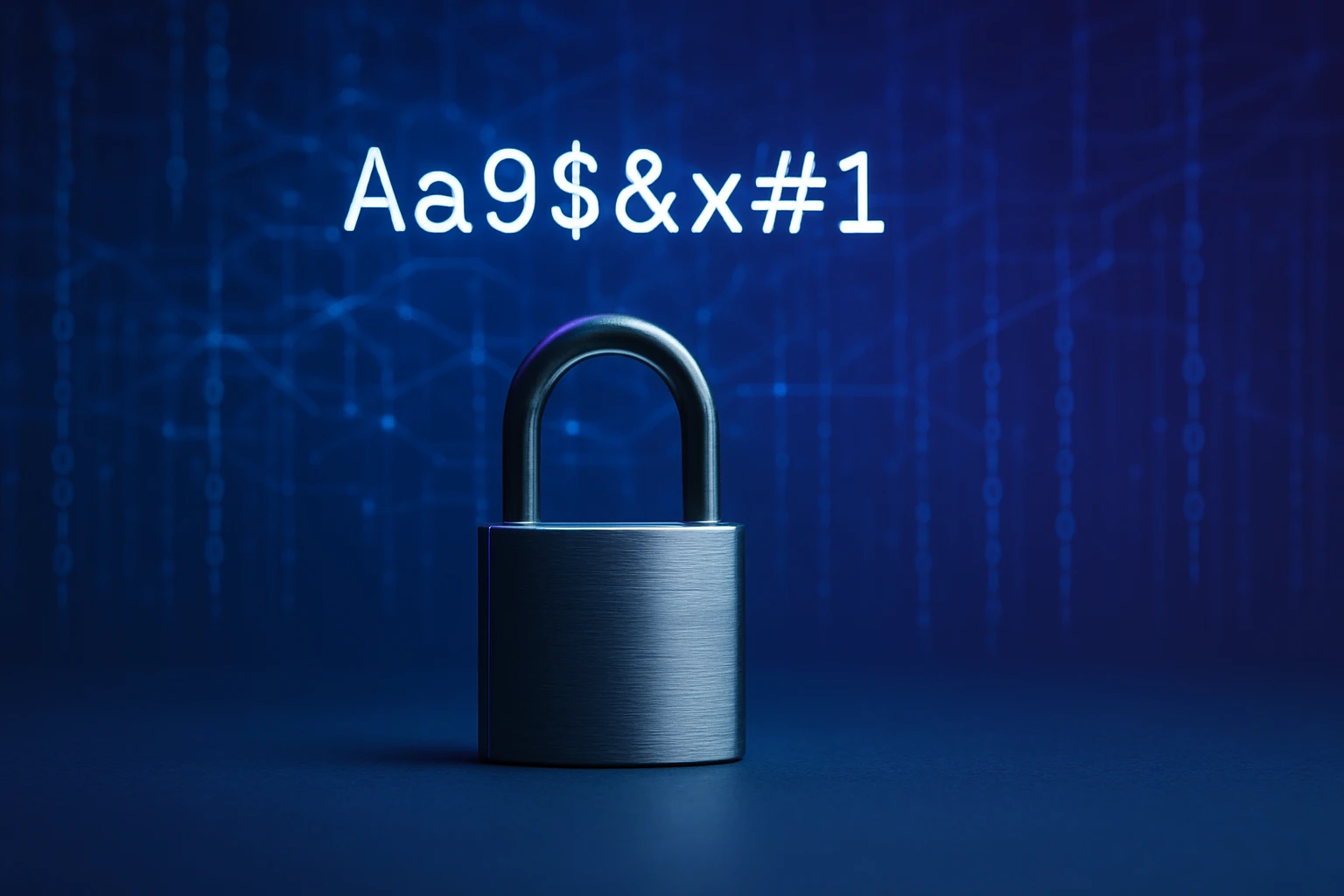
One of the most practical applications of leet speak involves password creation and security enhancement. By incorporating leet speak substitutions into passwords, users can create more complex character combinations that resist common hacking attempts while maintaining memorability.
Security experts recognize that leet speak transformations can significantly improve password strength when combined with other security practices. The substitution patterns create additional layers of complexity that make brute-force attacks more difficult while allowing users to remember their passwords through familiar word associations.
Content Filtering Circumvention
Leet speak serves as an effective method for bypassing automated content filters and censorship systems. When users need to discuss sensitive topics or use words that trigger filtering algorithms, leet speak substitutions can maintain communication while avoiding detection.
This application has particular relevance in environments with strict content moderation policies or in regions with internet censorship. Users can maintain meaningful conversations about important topics while navigating restrictive digital environments.
Creative Expression and Branding
Modern digital artists and content creators have embraced leet speak as a tool for distinctive branding and creative expression. The unique aesthetic qualities of leet speak text create memorable visual elements that help establish brand identity and artistic style.
| Application Area | Benefits | Common Uses |
|---|---|---|
| Password Security | Increased complexity | Account protection |
| Content Filtering | Bypass restrictions | Sensitive discussions |
| Creative Branding | Unique aesthetics | Artistic identity |
| Gaming Communication | Speed and efficiency | Team coordination |
| Technical Documentation | Insider knowledge | Professional networks |
"The most powerful communication tools are those that serve both practical needs and creative aspirations, bridging the gap between function and expression."
Psychological and Social Dimensions
The psychological impact of leet speak usage reveals fascinating insights into human communication patterns and social behavior in digital environments. This coded language system influences how users perceive themselves and interact with others in online spaces.
Identity Formation and Group Belonging
Leet speak functions as a powerful identity marker that helps users establish their place within digital communities. The ability to read, write, and creatively manipulate leet speak demonstrates technical knowledge and cultural awareness that earns respect within specific online groups.
Users often develop emotional attachments to their preferred leet speak styles, viewing their substitution choices as expressions of personal identity. These linguistic preferences become part of their digital persona, influencing how they present themselves across different online platforms.
Cognitive Processing and Learning
Research into leet speak comprehension reveals interesting patterns in how the human brain processes coded text. Experienced users develop enhanced pattern recognition abilities that allow them to quickly decode complex substitutions without conscious effort.
The learning process for leet speak involves both memorization and creative problem-solving skills. Users must understand the visual logic behind substitutions while developing intuitive abilities to recognize patterns and create new combinations.
Social Hierarchy and Status
Within communities that use leet speak extensively, proficiency levels create informal social hierarchies. Users who demonstrate advanced skills in creating and interpreting complex codes often gain status and influence within their communities.
"Mastery of specialized communication systems creates bridges between those who understand and barriers for those who don't, simultaneously building communities and defining their boundaries."
These status systems can motivate users to develop their leet speak abilities while potentially creating exclusionary effects that limit community accessibility. The balance between insider knowledge and inclusive communication remains an ongoing challenge for many online communities.
Technical Implementation and Tools
The technical aspects of leet speak implementation involve various tools, algorithms, and automated systems that facilitate both creation and interpretation of coded text. Understanding these technical elements provides insight into how digital tools shape linguistic evolution.
Automated Translation Systems
Numerous online tools and applications provide automated leet speak translation services, allowing users to convert standard text into various coded formats. These systems typically offer multiple complexity levels and customization options that cater to different user preferences and community standards.
Advanced translation tools incorporate machine learning algorithms that can adapt to specific community dialects and user preferences. These systems learn from user interactions to improve their substitution suggestions and maintain consistency with established community practices.
Programming and Development Applications
Software developers have created libraries and APIs that integrate leet speak functionality into applications and websites. These programming tools enable developers to add leet speak features to games, social platforms, and communication applications.
The development of leet speak tools requires careful consideration of character encoding, font compatibility, and cross-platform functionality. Developers must ensure that coded text displays correctly across different devices and operating systems while maintaining readability and aesthetic appeal.
Browser Extensions and Mobile Apps
Specialized browser extensions and mobile applications provide real-time leet speak translation and creation capabilities. These tools integrate seamlessly with existing communication platforms, allowing users to encode and decode messages without leaving their preferred applications.
Mobile implementations face unique challenges related to touchscreen keyboards and limited screen space. Developers have created innovative input methods that make leet speak creation more accessible on mobile devices while maintaining the creative flexibility that users expect.
Challenges and Controversies
The widespread adoption of leet speak has generated various challenges and controversies that reflect broader tensions within digital communication and online community management. These issues highlight the complex relationship between linguistic innovation and practical communication needs.
Accessibility and Inclusion Concerns
One of the primary criticisms of leet speak involves its potential to create barriers for users with disabilities or those who struggle with pattern recognition. Screen readers and other assistive technologies may have difficulty processing coded text, potentially excluding users who rely on these tools.
"True communication success is measured not by how cleverly we can encode our messages, but by how effectively we can share understanding across all barriers."
The visual complexity of advanced leet speak can also challenge users with dyslexia or other reading difficulties. Community leaders must balance the cultural value of coded language with the need to maintain inclusive communication environments.
Educational and Professional Impact
Educators and employers have expressed concerns about leet speak's influence on formal writing skills and professional communication abilities. Some worry that extensive use of coded language might interfere with students' development of standard writing competencies.
However, research suggests that leet speak usage can actually enhance certain cognitive abilities, including pattern recognition, creative problem-solving, and multilingual processing skills. The key lies in helping users understand appropriate contexts for different communication styles.
Security and Misuse Implications
The same properties that make leet speak useful for password security can also facilitate malicious activities. Cybercriminals sometimes use coded language to evade detection systems and communicate about illegal activities.
Law enforcement agencies and cybersecurity professionals must develop specialized knowledge of leet speak variations to effectively monitor and investigate online criminal activities. This requirement creates ongoing training needs and resource allocation challenges for security organizations.
Future Trends and Evolution
The continued evolution of leet speak reflects broader trends in digital communication and technological development. Understanding these emerging patterns provides insight into the future landscape of online linguistic innovation.
Artificial Intelligence Integration
Machine learning and artificial intelligence systems are beginning to incorporate leet speak recognition and generation capabilities. These technologies could enable more sophisticated automated translation services and improve content moderation systems' ability to process coded text.
AI-powered leet speak tools might eventually provide personalized encoding suggestions based on individual communication patterns and community preferences. This personalization could make coded language more accessible while preserving its creative and cultural value.
Virtual and Augmented Reality Applications
As virtual and augmented reality platforms become more prevalent, leet speak may find new applications in immersive digital environments. These platforms could support three-dimensional text representations and interactive coding systems that expand beyond traditional character substitutions.
The spatial nature of VR and AR environments might enable entirely new forms of coded communication that incorporate visual, spatial, and temporal elements alongside traditional text-based substitutions.
Cross-Cultural and Multilingual Development
The globalization of internet culture is driving the development of leet speak variations that incorporate elements from multiple languages and writing systems. These multicultural codes could create new opportunities for cross-cultural communication while preserving linguistic diversity.
"The future of digital communication lies not in the standardization of language, but in the celebration of creative diversity that connects rather than divides."
Future leet speak evolution might include sophisticated systems that can seamlessly transition between different linguistic and cultural coding conventions based on context and audience.
What is leet speak and where did it originate?
Leet speak (1337 speak) is a form of internet slang that replaces letters with numbers and symbols based on visual similarity. It originated in the 1980s among computer enthusiasts and hacker communities using bulletin board systems, eventually spreading to gaming communities and mainstream internet culture.
How do basic leet speak substitutions work?
Basic leet speak uses visual similarity to replace letters with numbers: 'A' becomes '4', 'E' becomes '3', 'I' becomes '1', 'O' becomes '0', 'S' becomes '5', and 'T' becomes '7'. These substitutions maintain readability while creating a coded appearance.
Can leet speak improve password security?
Yes, incorporating leet speak substitutions into passwords can enhance security by increasing character complexity and making passwords more resistant to common hacking attempts. However, this should be combined with other security practices like using long passwords and unique combinations.
Is leet speak difficult to learn and use?
Basic leet speak is relatively easy to learn, starting with simple number substitutions. Advanced forms require more practice and pattern recognition skills. Most users begin with basic substitutions and gradually develop proficiency through regular use and community interaction.
Does leet speak affect formal writing abilities?
Research suggests that leet speak usage doesn't significantly harm formal writing skills when users understand appropriate contexts for different communication styles. It may actually enhance pattern recognition and creative problem-solving abilities.
Are there tools available for leet speak translation?
Yes, numerous online translators, browser extensions, and mobile apps provide automated leet speak conversion. These tools offer various complexity levels and customization options to match different community standards and personal preferences.
How do different online communities use leet speak?
Gaming communities emphasize speed and efficiency in their leet speak usage, while technical forums may use more structured approaches. Social media platforms have encouraged artistic applications, and each community develops distinct dialects that reflect their unique culture and communication needs.
What are the main criticisms of leet speak?
Primary concerns include accessibility issues for users with disabilities, potential barriers for screen readers, and questions about its impact on formal writing skills. Some worry about its use in circumventing content filters or facilitating malicious activities.