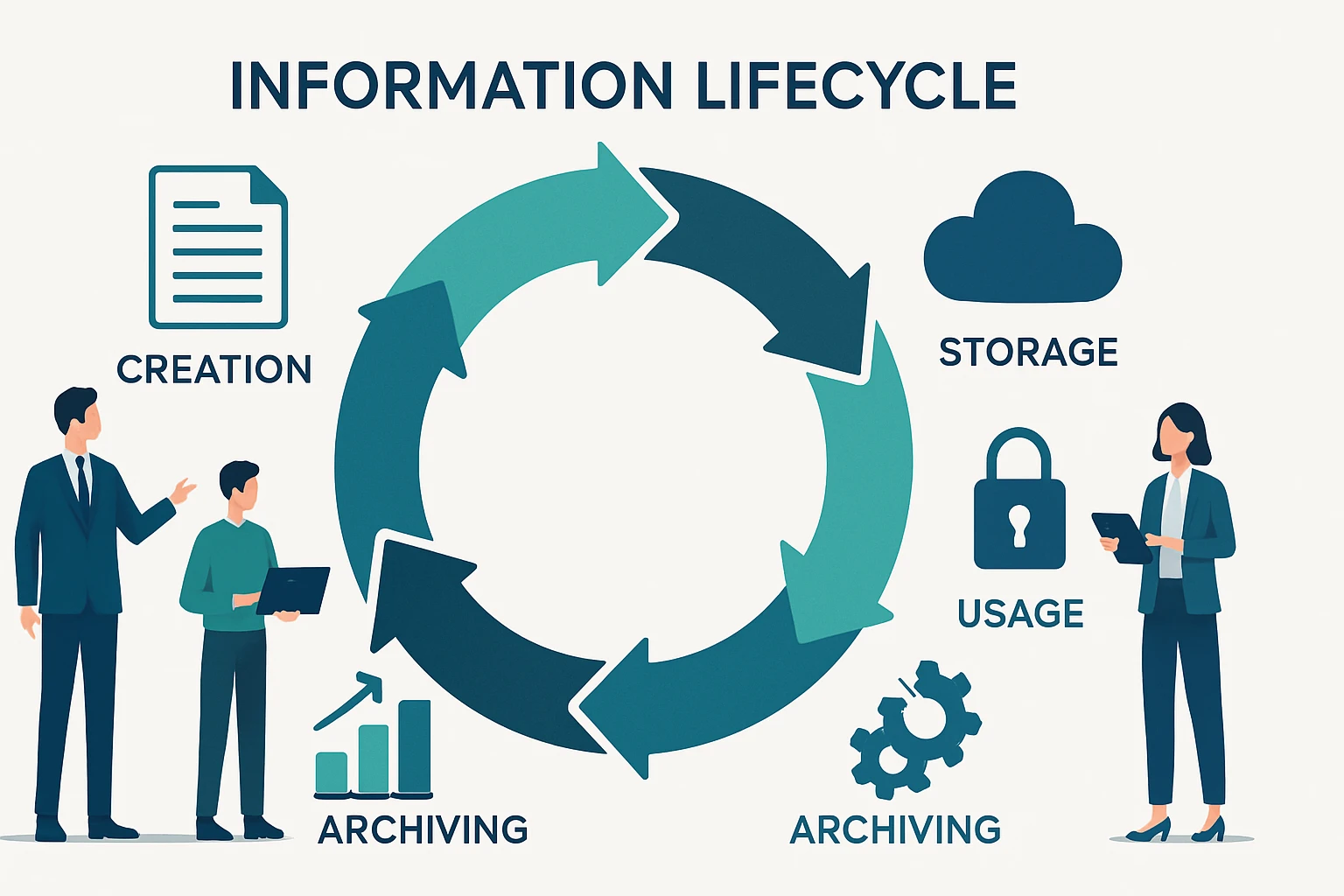


The digital backbone of modern organizations pulses with constant activity, but when that rhythm falters, the consequences can ripple through entire business ecosystems. Having witnessed countless scenarios where a simple system glitch transformed into a crisis that could have been contained, the importance of structured incident reporting becomes crystal clear. The difference between organizations that thrive despite technical challenges and those that crumble often lies in their approach to documenting, analyzing, and learning from IT disruptions.
IT incident reporting encompasses the systematic process of identifying, documenting, tracking, and resolving technology-related disruptions that impact business operations. This disciplined approach transforms chaotic emergency responses into organized recovery efforts, creating valuable learning opportunities from every technical challenge. The practice extends beyond mere problem-solving to encompass strategic planning, risk management, and continuous improvement initiatives.
Through exploring the fundamental objectives, essential content guidelines, and proven management strategies, you'll discover how to build a robust incident reporting framework that not only addresses immediate technical issues but also strengthens your organization's resilience. This comprehensive guide will equip you with practical tools, templates, and methodologies that transform incident management from a reactive necessity into a proactive competitive advantage.
Understanding the Foundation of IT Incident Reporting
IT incident reporting serves as the cornerstone of effective technology management, providing organizations with the structured approach needed to handle disruptions systematically. This process begins the moment an anomaly is detected and continues through resolution and post-incident analysis. The foundation rests on clear definitions, standardized procedures, and consistent documentation practices that enable teams to respond efficiently during high-pressure situations.
The scope of IT incident reporting extends far beyond simple troubleshooting tickets. Modern incident management encompasses security breaches, performance degradations, system outages, data corruption, network failures, and user access issues. Each category requires specific handling procedures while maintaining consistency in documentation and communication protocols.
Effective incident reporting creates a shared language across technical teams, management, and stakeholders. This common understanding eliminates confusion during critical moments and ensures that everyone involved can contribute meaningfully to resolution efforts. The standardization also enables meaningful analysis of patterns and trends that might otherwise remain hidden in disparate documentation.
Core Objectives of Incident Reporting Systems
Rapid Response and Resolution
The primary objective focuses on minimizing downtime and restoring normal operations as quickly as possible. Incident reporting systems provide the framework for immediate response, ensuring that critical information reaches the right people without delay. This objective requires clear escalation paths, predefined communication channels, and readily accessible technical documentation.
Response time metrics become crucial indicators of system effectiveness. Organizations typically establish service level agreements that define acceptable response and resolution timeframes based on incident severity. These commitments drive the design of reporting workflows and resource allocation decisions.
"The fastest path to resolution starts with the clearest description of the problem, delivered to the right people at the right time."
Knowledge Preservation and Transfer
Incident reporting serves as an organizational memory bank, capturing valuable troubleshooting knowledge that would otherwise disappear when team members change roles or leave the organization. This knowledge preservation objective ensures that hard-won insights from complex problem-solving efforts benefit future incident response activities.
Documentation standards must balance comprehensiveness with accessibility. Technical details need sufficient depth for expert analysis while remaining understandable to team members with varying experience levels. The challenge lies in creating records that serve both immediate operational needs and long-term knowledge management objectives.
Risk Assessment and Prevention
Beyond addressing immediate problems, incident reporting provides the data foundation for identifying systemic vulnerabilities and recurring issues. This objective transforms reactive problem-solving into proactive risk management, enabling organizations to address root causes before they trigger additional incidents.
Pattern recognition becomes a powerful tool for prevention when incident data is properly structured and analyzed. Organizations can identify common failure modes, resource bottlenecks, and environmental factors that contribute to system instability. This intelligence drives infrastructure improvements and operational procedure refinements.
Essential Content Guidelines for Incident Documentation
Initial Incident Capture
The moment an incident is detected, the quality of initial documentation significantly impacts all subsequent response efforts. Essential information includes precise timestamps, affected systems, user impact scope, and observable symptoms. This initial capture must be both comprehensive and efficient, avoiding delays in response activities.
Standardized incident classification systems help ensure consistency in initial documentation. Severity levels, category assignments, and impact assessments provide immediate context for response teams and management. These classifications also enable automated routing and escalation procedures that accelerate response times.
| Severity Level | Response Time | Escalation Trigger | Communication Scope |
|---|---|---|---|
| Critical | 15 minutes | Immediate | Executive team, all stakeholders |
| High | 1 hour | 2 hours | Department heads, affected users |
| Medium | 4 hours | 8 hours | Team leads, direct contacts |
| Low | 24 hours | 72 hours | Assigned technician, requester |
Technical Investigation Details
Thorough technical documentation captures the investigative process, including diagnostic steps taken, tools used, and findings discovered. This content serves multiple audiences, from immediate response teams to long-term analysis efforts. The documentation must be detailed enough to support peer review and knowledge transfer while remaining organized and searchable.
Diagnostic procedures should be documented in chronological order, including both successful and unsuccessful approaches. This comprehensive record helps future investigators understand the complete problem-solving journey and avoid repeating ineffective steps. Screenshots, log excerpts, and configuration snapshots provide valuable supporting evidence.
"Every failed attempt teaches us something valuable about the system's behavior under stress conditions."
Resolution and Recovery Documentation
Resolution documentation captures the specific actions taken to restore normal operations, including configuration changes, software updates, hardware replacements, or procedural adjustments. This information becomes critical for verifying that fixes address root causes rather than just symptoms.
Recovery procedures must be documented with sufficient detail to enable replication if similar issues arise. Step-by-step instructions, command sequences, and verification procedures help ensure consistent execution across different team members and time periods. Dependencies and prerequisites should be clearly identified to prevent incomplete implementations.
Structured Incident Classification Systems
Severity and Priority Frameworks
Effective incident management relies on clear classification systems that enable appropriate resource allocation and response prioritization. Severity levels typically reflect the scope of business impact, while priority assignments consider both severity and urgency factors. These frameworks must align with organizational objectives and service level commitments.
Classification criteria should be specific enough to ensure consistent application across different team members and situations. Ambiguous definitions lead to inconsistent prioritization and resource allocation conflicts. Regular calibration sessions help maintain classification accuracy as systems and business priorities evolve.
Category and Subcategory Organization
Incident categories provide the organizational structure needed for efficient routing, analysis, and reporting. Well-designed category systems balance granularity with usability, providing enough detail for meaningful analysis without creating overwhelming complexity. Categories should align with technical architecture and support team specializations.
Subcategory structures enable more precise classification while maintaining broad category utility. This hierarchical approach supports both high-level trend analysis and detailed technical investigation. Category assignments also drive automated workflow routing and knowledge base associations.
Communication Protocols and Stakeholder Management
Internal Communication Standards
Clear communication protocols ensure that incident information reaches appropriate stakeholders without overwhelming non-essential recipients. Communication standards define who receives what information, when updates are provided, and through which channels messages are delivered. These protocols must account for different stakeholder information needs and availability patterns.
Update frequency and content requirements vary based on incident severity and stakeholder roles. Executive updates focus on business impact and estimated resolution times, while technical teams need detailed progress information and resource requirements. Communication templates help ensure consistency while reducing preparation overhead during high-stress situations.
"Effective incident communication turns chaos into coordinated action by ensuring everyone knows their role and the current situation."
External Communication Management
Customer and vendor communications require careful coordination to maintain appropriate transparency while protecting sensitive technical details. External communication protocols define approval processes, message content guidelines, and timing requirements for different audience segments. These protocols must balance transparency with security and competitive considerations.
Status page updates, customer notifications, and vendor coordination activities need standardized procedures that can be executed efficiently during incident response. Pre-approved message templates and escalation procedures help ensure timely communication without compromising message quality or accuracy.
Technology Tools and Platform Integration
Incident Management Platform Selection
Modern incident management platforms provide the technological foundation for effective reporting and response coordination. Platform selection criteria should include integration capabilities, workflow automation, reporting functionality, and scalability requirements. The chosen platform must support organizational processes rather than dictating them.
Integration with existing monitoring, communication, and documentation systems creates seamless workflows that reduce manual effort and minimize information gaps. API connectivity, single sign-on integration, and data synchronization capabilities become essential platform requirements in complex technical environments.
Automation and Workflow Optimization
Automated incident detection and initial classification capabilities can significantly reduce response times and improve consistency. However, automation must be carefully designed to avoid false positives and ensure appropriate human oversight. The goal is to augment human capabilities rather than replace human judgment entirely.
Workflow automation can streamline routine tasks like notification delivery, ticket routing, and status updates. These automated processes free human resources for complex problem-solving activities while ensuring that procedural requirements are consistently met. Regular workflow review and optimization help maintain efficiency as organizational needs evolve.
Metrics and Performance Measurement
Key Performance Indicators
Incident management effectiveness requires measurable indicators that reflect both operational efficiency and business impact. Key metrics include mean time to detection, mean time to resolution, first-call resolution rates, and customer satisfaction scores. These indicators provide objective feedback on process performance and improvement opportunities.
Metric selection should align with organizational objectives and stakeholder expectations. Leading indicators like incident volume trends and resolution time distributions help identify emerging issues before they impact service levels. Lagging indicators like customer satisfaction and business impact assessments measure ultimate program success.
| Metric Category | Primary Indicators | Measurement Frequency | Target Audience |
|---|---|---|---|
| Response Time | MTTD, MTTR, Escalation Speed | Real-time | Operations teams |
| Quality | First-call resolution, Recurrence rate | Weekly | Management |
| Customer Impact | Satisfaction scores, Business impact | Monthly | Executives |
| Process Efficiency | Automation rate, Documentation quality | Quarterly | Process owners |
Continuous Improvement Analytics
Data analytics capabilities transform incident reporting from reactive documentation into proactive improvement intelligence. Trend analysis, pattern recognition, and predictive modeling help identify systemic issues and optimization opportunities. These analytics capabilities require clean, consistent data and appropriate analytical tools.
Root cause analysis becomes more effective when supported by comprehensive incident data and analytical capabilities. Statistical analysis can reveal correlations and dependencies that might not be apparent through individual incident review. This intelligence drives infrastructure improvements and process refinements.
"Data without analysis is just digital hoarding; analysis without action is just expensive reporting."
Training and Team Development
Staff Competency Requirements
Effective incident management requires specific skills and knowledge that extend beyond basic technical competencies. Team members need training in documentation standards, communication protocols, escalation procedures, and analytical techniques. Competency development programs should address both technical and soft skills requirements.
Cross-training initiatives help ensure adequate coverage during peak incident periods and staff absences. Team members should understand multiple system components and possess backup capabilities in critical skill areas. This redundancy improves response reliability and provides career development opportunities.
Knowledge Management Integration
Incident reporting creates valuable knowledge assets that must be organized and maintained for long-term utility. Knowledge management systems should integrate seamlessly with incident reporting platforms, enabling easy access to historical information and lessons learned. Search capabilities and content organization become critical success factors.
Regular knowledge review and update processes help ensure that documented solutions remain current and accurate. Outdated information can mislead response efforts and reduce confidence in knowledge resources. Version control and content lifecycle management become essential knowledge management capabilities.
Compliance and Regulatory Considerations
Documentation Requirements
Regulatory environments often impose specific documentation and retention requirements for incident management activities. These requirements may include data protection regulations, financial compliance standards, healthcare privacy rules, or industry-specific guidelines. Incident reporting systems must accommodate these requirements without compromising operational efficiency.
Audit trail capabilities become essential for demonstrating compliance with regulatory requirements. Complete documentation of incident detection, response, and resolution activities provides the evidence needed for regulatory reviews and internal audits. Retention policies must balance compliance requirements with storage costs and system performance.
Security and Privacy Protection
Incident documentation often contains sensitive technical information that could be valuable to malicious actors. Security controls must protect incident data while enabling legitimate access for response and analysis activities. Role-based access controls, encryption, and audit logging become essential security measures.
Privacy considerations apply particularly to incidents involving personal data or customer information. Documentation procedures must balance investigative needs with privacy protection requirements. Data minimization principles help reduce privacy risks while maintaining incident management effectiveness.
"Security and compliance aren't obstacles to overcome; they're requirements to integrate seamlessly into incident management workflows."
Future Trends and Evolution
Artificial Intelligence Integration
Machine learning and artificial intelligence technologies are beginning to transform incident management through automated pattern recognition, intelligent routing, and predictive analytics. These capabilities can identify emerging issues before they become critical incidents and suggest resolution approaches based on historical data.
Natural language processing can improve incident documentation by automatically extracting key information from unstructured text and suggesting appropriate classifications. However, AI integration must be carefully implemented to maintain human oversight and avoid algorithmic bias in incident handling.
Cloud and Hybrid Environment Challenges
Modern IT environments increasingly span multiple cloud providers, on-premises systems, and hybrid architectures. Incident management must evolve to address the complexity and interdependencies inherent in these distributed environments. Cross-platform visibility and coordination become critical capabilities.
Containerized applications and microservices architectures create new incident management challenges around service discovery, dependency mapping, and impact assessment. Traditional incident management approaches may not scale effectively to handle the dynamic nature of modern application environments.
"The future of incident management lies not in predicting every possible failure, but in building systems resilient enough to handle the unexpected gracefully."
What is the difference between an incident and a problem in IT management?
An incident represents an unplanned interruption or reduction in service quality that affects users or business operations. A problem is the underlying cause of one or more incidents. Incidents focus on restoring service quickly, while problems involve identifying and eliminating root causes to prevent recurrence.
How often should incident management procedures be reviewed and updated?
Incident management procedures should undergo formal review quarterly, with minor updates implemented as needed based on lessons learned from significant incidents. Annual comprehensive reviews should assess the entire framework against evolving business needs, technology changes, and industry best practices.
What information should be included in an incident report summary for executive audiences?
Executive summaries should include business impact assessment, estimated resolution time, customer effect scope, financial implications, and high-level action plans. Technical details should be minimized unless they directly relate to business decisions or risk assessments that require executive attention.
How can organizations measure the ROI of incident management investments?
ROI measurement should consider reduced downtime costs, improved customer satisfaction, decreased regulatory risk, and enhanced operational efficiency. Calculate the cost of incidents before and after implementing improved incident management processes, including direct costs, opportunity costs, and reputation impact.
What are the most common mistakes in incident documentation?
Common mistakes include insufficient detail for future reference, inconsistent classification application, delayed documentation that loses critical details, focusing only on resolution without capturing investigation steps, and failing to document lessons learned for organizational improvement.
How should incident reporting handle security-sensitive information?
Security-sensitive incidents require special handling procedures including restricted access controls, encrypted storage, sanitized external communications, and coordination with security teams. Documentation should capture necessary technical details while protecting sensitive information from unauthorized disclosure.