
The intricate dance of electrons flowing through microscopic pathways has always captivated those who seek to understand how our modern world truly functions. These silent orchestrators of technology, hidden within every device we touch, represent one of humanity's most ingenious solutions to organizing complexity. From the smartphone in your pocket to the sophisticated systems controlling aircraft, these foundational elements serve as the backbone of our digital civilization.
At its core, a circuit board represents a flat substrate that mechanically supports and electrically connects electronic components through conductive pathways, tracks, or signal traces. This seemingly simple concept encompasses a vast spectrum of applications, manufacturing techniques, and design philosophies that continue to evolve with our technological needs. The promise here lies in exploring multiple perspectives: from the manufacturing precision required to create these marvels, to their environmental impact, and their role in shaping future innovations.
Through this exploration, you'll discover the fundamental principles governing these electronic foundations, understand the various types and their specific applications, and gain insight into the manufacturing processes that bring them to life. You'll also learn about emerging trends, sustainability considerations, and practical aspects that influence design decisions in today's rapidly evolving technological landscape.
Understanding the Fundamental Architecture
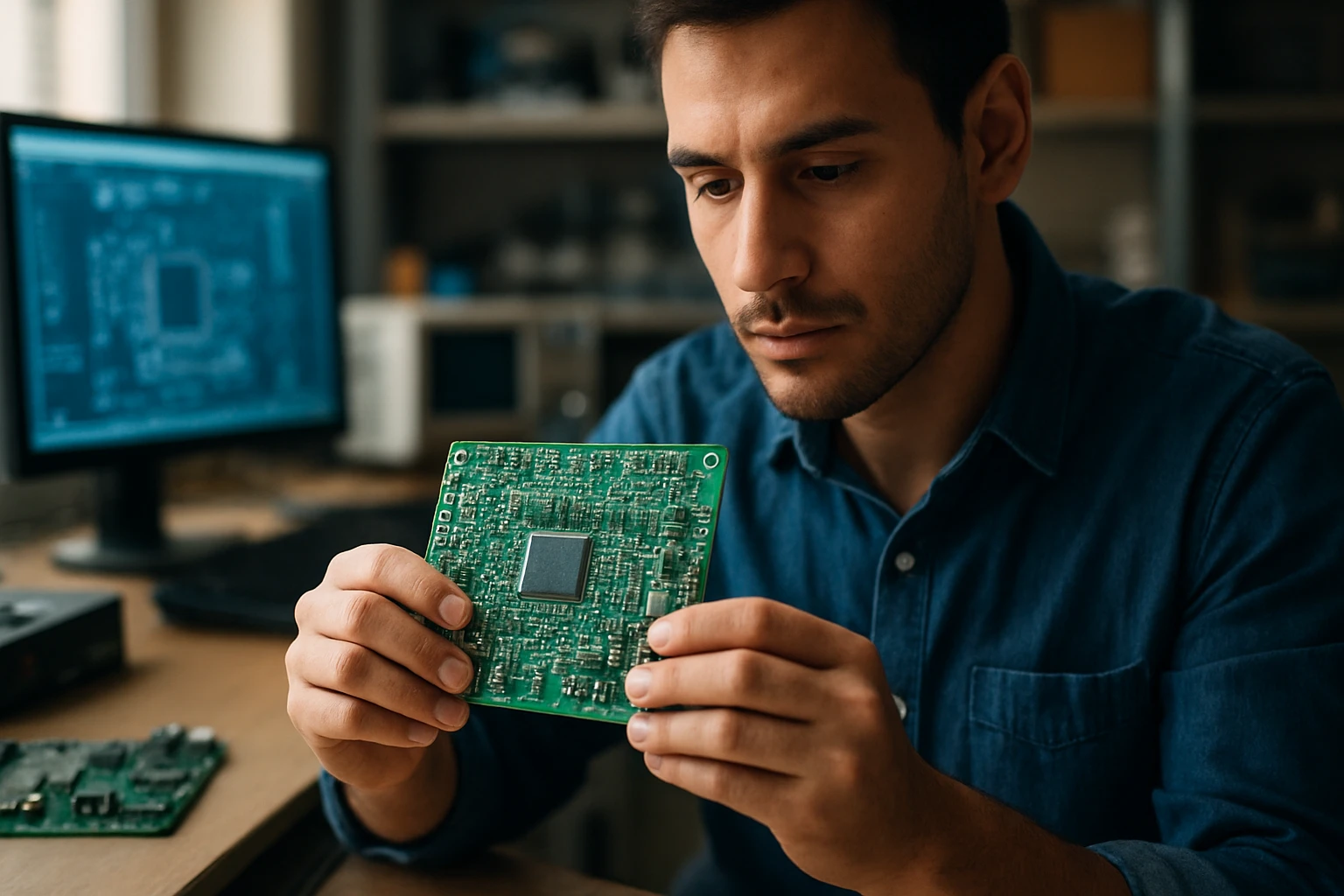
The foundation of any electronic device begins with understanding how electrical connections create functional systems. Printed Circuit Boards (PCBs) serve as the structural and electrical backbone, providing a platform where individual components can communicate effectively. These boards consist of multiple layers of conductive and insulating materials, carefully engineered to support specific electrical requirements.
The basic construction involves a substrate material, typically fiberglass reinforced with epoxy resin, known as FR4. This substrate provides mechanical strength and electrical insulation. Copper layers are then applied to create conductive pathways that connect various components according to the circuit design.
Modern designs can incorporate anywhere from single layers to dozens of layers, each serving specific purposes. Signal layers carry data and control signals, while power planes distribute electrical power throughout the board. Ground planes provide electrical reference points and help reduce electromagnetic interference.
"The elegance of electronic design lies not in complexity, but in the precise orchestration of simple elements working in perfect harmony."
Types and Classifications of Circuit Boards
Rigid Circuit Boards
Traditional rigid boards represent the most common type found in consumer electronics. These boards maintain their shape under normal operating conditions and provide excellent mechanical support for components. They're ideal for applications where the board won't experience significant flexing or bending.
Single-sided boards feature conductive traces on only one side, making them suitable for simple circuits with minimal component density. Double-sided boards allow for more complex routing by utilizing both surfaces, while multilayer boards stack multiple conductive layers separated by insulating materials.
Flexible Circuit Boards
Flexible boards offer unique advantages in applications requiring movement or space constraints. These boards use polyimide or similar flexible substrates that can bend and flex without breaking electrical connections. They're commonly found in mobile devices, medical equipment, and aerospace applications.
The flexibility comes from specialized materials and construction techniques that maintain electrical integrity during mechanical stress. Flex-rigid combinations merge the benefits of both rigid and flexible designs, creating boards with rigid sections for component mounting and flexible sections for interconnection.
Specialized Board Types
High-frequency boards require special materials and design considerations to handle rapid signal changes without distortion. These boards often use specialized substrates with controlled dielectric properties and precise impedance characteristics.
Metal-core boards incorporate aluminum or copper substrates to provide superior heat dissipation. They're essential in LED lighting applications and power electronics where thermal management is critical.
Manufacturing Processes and Techniques
The creation of circuit boards involves multiple precise manufacturing steps, each requiring careful control to ensure quality and reliability. The process begins with design verification and material preparation, followed by a series of chemical and mechanical operations.
Substrate preparation involves cutting the base material to required dimensions and cleaning surfaces to ensure proper adhesion. The copper cladding process then applies conductive layers using electroplating or lamination techniques.
Photolithography creates the circuit patterns by applying photoresist materials and using UV light exposure through masks. This process defines where copper will remain and where it will be removed during etching.
| Manufacturing Step | Purpose | Key Considerations |
|---|---|---|
| Design Transfer | Pattern creation | Alignment accuracy, resolution |
| Etching | Copper removal | Chemical concentration, timing |
| Drilling | Via creation | Hole size, position accuracy |
| Plating | Via connection | Copper thickness, uniformity |
| Solder Mask | Protection layer | Coverage, adhesion |
| Silkscreen | Component marking | Legibility, durability |
Quality Control and Testing
Manufacturing quality depends on rigorous testing at multiple stages. Electrical testing verifies continuity and isolation between circuits. Dimensional inspection ensures mechanical specifications are met. Visual inspection identifies surface defects that could affect performance or reliability.
Advanced testing methods include automated optical inspection (AOI) systems that can detect minute defects invisible to human inspectors. In-circuit testing (ICT) verifies electrical functionality before component assembly.
"Quality in manufacturing is not an accident; it's the result of intelligent effort, careful planning, and systematic execution."
Component Integration and Assembly
The relationship between circuit boards and electronic components represents a carefully orchestrated system of mechanical and electrical connections. Components must be properly positioned, securely attached, and electrically connected to create functional circuits.
Surface Mount Technology (SMT) has revolutionized component assembly by allowing components to be mounted directly onto board surfaces. This approach enables higher component density, improved electrical performance, and automated assembly processes.
Through-hole technology, while older, still serves important roles in applications requiring robust mechanical connections or high power handling. These components use leads that pass through drilled holes and are soldered on the opposite side.
Assembly Process Considerations
Solder paste application requires precise control of thickness and placement to ensure reliable connections. Stencil printing provides the most common method for applying solder paste to surface mount pads.
Component placement accuracy becomes critical as component sizes continue to shrink. Modern pick-and-place machines can position components with tolerances measured in micrometers, enabling the use of extremely small components.
Reflow soldering creates permanent connections by heating the entire assembly to melt solder paste. Temperature profiles must be carefully controlled to prevent component damage while ensuring complete solder joint formation.
Design Principles and Best Practices
Effective circuit board design requires balancing multiple competing requirements including electrical performance, mechanical constraints, thermal management, and manufacturing feasibility. Signal integrity considerations become increasingly important as operating frequencies rise and component sizes shrink.
Proper grounding techniques form the foundation of good electrical design. Ground planes provide low-impedance return paths for signals and help minimize electromagnetic interference. Star grounding and ground plane segmentation represent different approaches to managing ground connections.
Power distribution design ensures adequate voltage levels reach all components while minimizing noise and voltage drops. Decoupling capacitors placed strategically throughout the board help maintain stable power supplies for sensitive components.
Thermal Management Strategies
Heat generation and dissipation significantly impact circuit board performance and reliability. Components generate heat during operation, and this heat must be effectively removed to prevent performance degradation or failure.
Thermal vias provide pathways for heat to transfer between board layers. These small, plated holes filled with thermally conductive material help spread heat across larger areas for more effective dissipation.
Copper pour areas can serve dual purposes as electrical connections and thermal spreaders. Strategic placement of copper areas helps distribute heat while maintaining electrical functionality.
| Thermal Management Technique | Application | Effectiveness |
|---|---|---|
| Thermal vias | Layer-to-layer heat transfer | High for localized heating |
| Copper pour | Heat spreading | Moderate, depends on area |
| Metal core substrate | High-power applications | Very high |
| Heat sinks | Component-level cooling | High for specific components |
| Thermal interface materials | Component attachment | High with proper application |
"Thermal design is not an afterthought in modern electronics; it's a fundamental requirement that shapes every aspect of the design process."
Advanced Technologies and Innovations
The evolution of circuit board technology continues to push boundaries in miniaturization, performance, and functionality. Embedded components represent one frontier where passive components are built directly into board substrates, saving space and improving electrical performance.
High-Density Interconnect (HDI) technology enables extremely fine feature sizes and high connection densities. These boards use microvias, buried vias, and sequential lamination to achieve connection densities impossible with traditional techniques.
3D printing of circuit boards represents an emerging technology that could revolutionize rapid prototyping and small-volume production. This approach enables the creation of complex three-dimensional circuit structures that would be impossible with traditional manufacturing methods.
Emerging Material Technologies
Advanced substrate materials continue to expand the possibilities for circuit board applications. Low-loss dielectrics enable high-frequency applications with minimal signal degradation. Thermally conductive substrates improve heat dissipation in power electronics.
Flexible-rigid combinations allow designers to create complex three-dimensional assemblies that fold and flex while maintaining electrical connections. These designs enable more compact products and improved reliability by eliminating traditional cable connections.
Environmental Considerations and Sustainability
The environmental impact of circuit board manufacturing and disposal has become increasingly important as electronic waste volumes continue to grow. Lead-free soldering requirements have driven significant changes in materials and processes throughout the industry.
RoHS (Restriction of Hazardous Substances) compliance mandates the elimination or reduction of specific harmful materials in electronic products. This regulation has influenced material selection, manufacturing processes, and end-of-life considerations.
Recycling and recovery programs aim to reclaim valuable materials from obsolete circuit boards. Precious metals, copper, and other materials can be recovered and reused, reducing the environmental impact of new production.
Sustainable Design Practices
Design for disassembly considers how products can be efficiently separated into recyclable components at end-of-life. This approach influences material selection, assembly methods, and component integration strategies.
Material selection increasingly considers environmental impact alongside technical performance. Bio-based substrates and recyclable materials offer alternatives to traditional materials with lower environmental footprints.
"Sustainable design is not about compromising performance; it's about reimagining how we create technology that serves both human needs and environmental stewardship."
Testing and Quality Assurance
Comprehensive testing ensures circuit boards meet performance specifications and reliability requirements. Electrical testing verifies proper connectivity and isolation between circuits. This testing can range from simple continuity checks to complex impedance and signal integrity measurements.
Functional testing validates that assembled boards perform their intended functions correctly. This testing often involves specialized test equipment that simulates actual operating conditions and verifies proper responses to various inputs.
Environmental testing subjects boards to temperature cycling, humidity exposure, vibration, and other stresses they may encounter during their operational lifetime. These tests help predict long-term reliability and identify potential failure modes.
Reliability and Failure Analysis
Understanding failure mechanisms helps improve design practices and manufacturing processes. Common failure modes include solder joint fatigue, copper trace fractures, and component degradation due to thermal or electrical stress.
Accelerated life testing subjects boards to elevated stresses to predict long-term behavior in compressed timeframes. These tests help establish reliability metrics and identify design improvements.
Failure analysis techniques help identify root causes when problems occur. Cross-sectioning, X-ray inspection, and electrical analysis provide insights into failure mechanisms and guide corrective actions.
Industry Standards and Regulations
Circuit board design and manufacturing must comply with numerous industry standards and regulations. IPC standards provide detailed specifications for materials, processes, and quality requirements. These standards ensure consistency and reliability across different manufacturers and applications.
Safety standards such as UL (Underwriters Laboratories) requirements address fire safety, electrical safety, and environmental considerations. Compliance with these standards is often mandatory for products sold in specific markets.
EMC (Electromagnetic Compatibility) regulations ensure that electronic products don't interfere with other devices and can operate properly in their intended electromagnetic environments.
International Compliance Requirements
Different regions have specific requirements for electronic products. CE marking in Europe, FCC compliance in the United States, and similar requirements in other regions create a complex regulatory landscape that designers must navigate.
Medical device regulations impose additional requirements for products used in healthcare applications. These regulations address safety, efficacy, and quality management throughout the product lifecycle.
"Standards and regulations are not barriers to innovation; they're the foundation that enables global technology collaboration and ensures user safety."
Future Trends and Developments
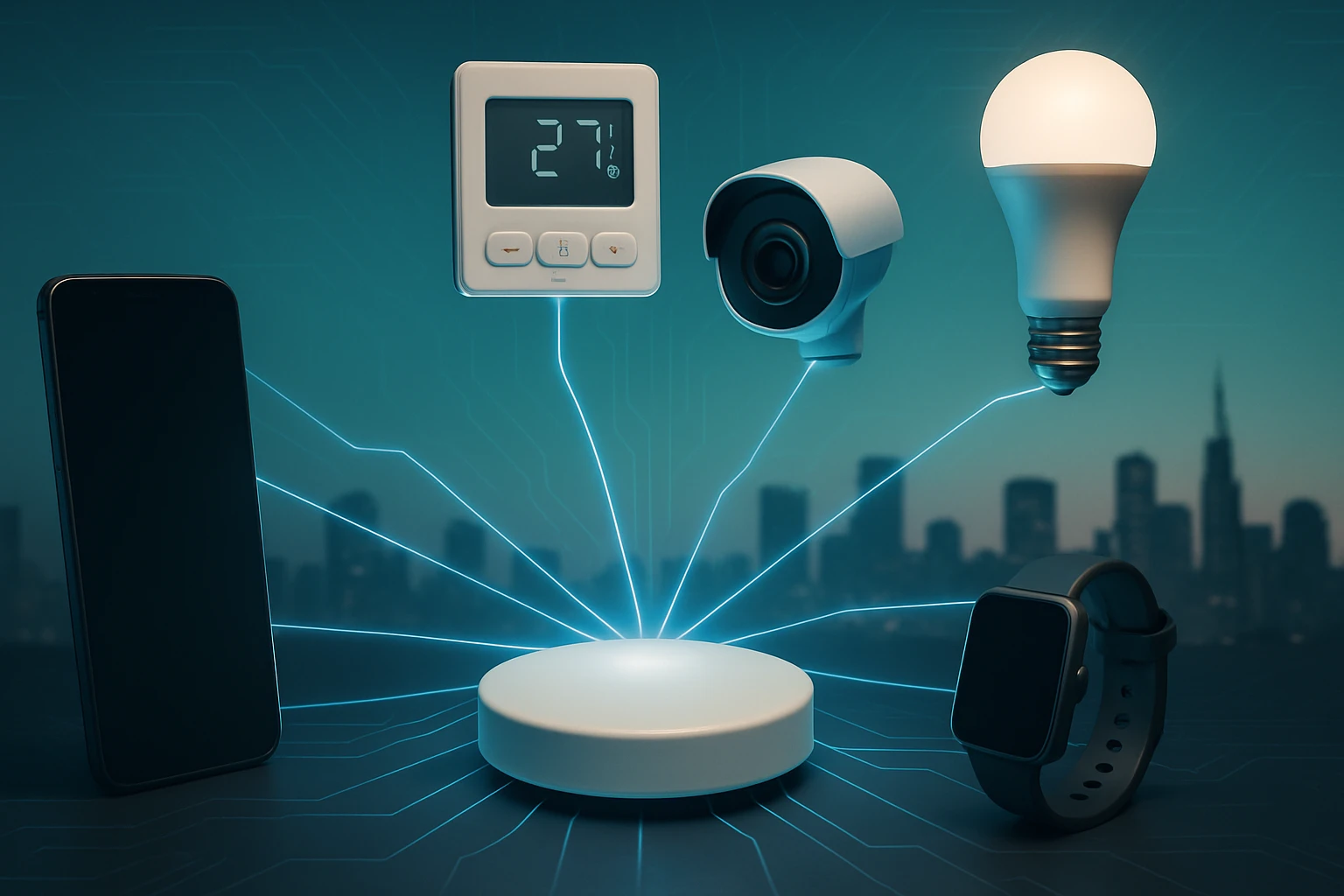
The future of circuit board technology is being shaped by several converging trends. Internet of Things (IoT) applications demand smaller, more efficient boards with integrated wireless capabilities. These requirements drive innovations in miniaturization and power management.
Artificial Intelligence and machine learning applications require boards capable of handling massive parallel processing workloads. These demands influence thermal management, power delivery, and signal integrity design approaches.
Quantum computing represents an entirely new frontier that may require fundamentally different approaches to circuit board design. The extreme environmental requirements and unique electrical characteristics of quantum systems challenge traditional design paradigms.
Manufacturing Evolution
Additive manufacturing techniques continue to mature, offering new possibilities for rapid prototyping and small-volume production. These techniques may eventually enable distributed manufacturing and customized designs that would be impractical with traditional methods.
Automation and artificial intelligence are transforming manufacturing processes, enabling higher precision, better quality control, and more efficient production. Smart factories can adapt to changing requirements and optimize processes in real-time.
Practical Applications Across Industries
Circuit boards serve critical roles across virtually every industry sector. Consumer electronics represent the largest volume applications, from smartphones and tablets to home appliances and entertainment systems. These applications prioritize cost-effectiveness, miniaturization, and mass production efficiency.
Automotive electronics demand boards capable of operating in harsh environments with wide temperature ranges, vibration, and electromagnetic interference. Safety-critical applications require additional reliability and redundancy considerations.
Medical devices require boards that meet strict biocompatibility requirements and regulatory standards. These applications often prioritize reliability and traceability over cost considerations.
Specialized Application Requirements
Aerospace and defense applications require boards capable of operating in extreme environments including radiation, temperature extremes, and mechanical shock. These applications often require specialized materials and manufacturing processes.
Industrial automation systems need boards that can operate reliably for decades in harsh industrial environments. These applications prioritize long-term availability and proven reliability over cutting-edge features.
"The true measure of circuit board design excellence is not in the complexity achieved, but in the elegant simplicity that reliably serves its intended purpose."
What are the main types of circuit boards?
The main types include rigid boards (single-sided, double-sided, and multilayer), flexible boards that can bend without breaking connections, and rigid-flex combinations that merge both technologies. Specialized types include high-frequency boards for RF applications, metal-core boards for thermal management, and HDI boards for high-density applications.
How are circuit boards manufactured?
Manufacturing involves substrate preparation, copper cladding, photolithography to create circuit patterns, etching to remove unwanted copper, drilling holes for connections, plating to create electrical connections between layers, applying solder mask for protection, and silkscreen printing for component identification.
What materials are commonly used in circuit board construction?
The most common substrate is FR4 (fiberglass reinforced epoxy), with copper for conductive traces. Other materials include polyimide for flexible boards, aluminum or copper for metal-core boards, and specialized low-loss dielectrics for high-frequency applications. Lead-free solders are now standard for component attachment.
What factors affect circuit board design decisions?
Key factors include electrical performance requirements, mechanical constraints, thermal management needs, manufacturing feasibility, cost targets, regulatory compliance, environmental considerations, and end-of-life disposal requirements. Signal integrity, power distribution, and electromagnetic compatibility also significantly influence design choices.
How do environmental regulations impact circuit board design?
Regulations like RoHS restrict hazardous substances, requiring lead-free soldering and alternative materials. WEEE directives address end-of-life disposal and recycling. These regulations influence material selection, manufacturing processes, and design approaches throughout the product lifecycle.
What are the current trends in circuit board technology?
Major trends include continued miniaturization, increased layer counts, embedded components, 3D printing capabilities, improved thermal management, sustainable materials, IoT integration, and AI-optimized designs. Advanced manufacturing techniques and materials continue to push performance boundaries while addressing environmental concerns.