

The world of software development has undergone a revolutionary transformation over the past two decades, fundamentally changing how teams approach building digital products. At the heart of this transformation lies a set of principles that emerged from the collective wisdom of experienced practitioners who recognized that traditional, rigid methodologies were failing to deliver the adaptability and responsiveness that modern software projects demanded. This shift represents more than just a methodological change—it embodies a complete reimagining of how human collaboration, customer value, and iterative improvement can drive successful outcomes in an increasingly complex technological landscape.
The Agile Manifesto represents a foundational document that crystallizes four core values and twelve guiding principles designed to prioritize human interaction, working solutions, customer collaboration, and adaptability over rigid processes and documentation. This framework emerged from real-world experiences of developers, project managers, and business stakeholders who witnessed firsthand the limitations of waterfall methodologies and sought a more flexible, responsive approach to software creation. The manifesto doesn't reject traditional practices entirely but rather establishes a hierarchy of priorities that emphasizes outcomes over outputs and relationships over rigid adherence to predetermined plans.
Throughout this exploration, you'll discover how these principles translate into practical methodologies, understand the psychological and organizational dynamics that make agile approaches effective, and learn how to implement these concepts within your own projects and teams. We'll examine real-world applications, address common misconceptions, and provide actionable insights that can help you navigate the complexities of modern software development while maintaining focus on delivering genuine value to end users and stakeholders.
Understanding the Four Core Values
The Agile Manifesto establishes four fundamental values that serve as the philosophical foundation for all agile methodologies. These values represent a deliberate shift in priorities rather than an outright rejection of traditional practices.
Individuals and Interactions Over Processes and Tools emphasizes that successful software development depends primarily on effective human communication and collaboration. While processes and tools remain important, they should facilitate rather than constrain human interaction. Teams that prioritize face-to-face communication, regular feedback sessions, and collaborative problem-solving consistently outperform those that rely heavily on rigid processes or sophisticated tooling without corresponding attention to team dynamics.
"The most efficient and effective method of conveying information to and within a development team is face-to-face conversation."
Working Software Over Comprehensive Documentation shifts focus from extensive upfront documentation to functional, tested software that delivers value. This doesn't eliminate documentation entirely but rather ensures that documentation serves the software rather than becoming an end in itself. Teams should create documentation that supports understanding, maintenance, and future development while avoiding the trap of spending excessive time on documents that may become obsolete as requirements evolve.
Customer Collaboration Over Contract Negotiation recognizes that successful projects emerge from ongoing partnership with customers rather than adversarial contract negotiations. This value encourages teams to work closely with customers throughout the development process, incorporating feedback, adjusting priorities, and ensuring that the final product meets actual needs rather than initially perceived requirements. Regular customer involvement reduces the risk of building technically excellent software that fails to deliver business value.
Responding to Change Over Following a Plan acknowledges that change is inevitable in software development and should be embraced rather than resisted. While planning remains important, teams should maintain flexibility to adapt their approach based on new information, changing market conditions, or evolving customer needs. This value encourages iterative development cycles that allow for course corrections without derailing entire projects.
The Twelve Guiding Principles
The twelve principles of the Agile Manifesto provide specific guidance for implementing the four core values in practical development scenarios. These principles address various aspects of software development, from customer satisfaction to technical excellence.
Customer-Centric Principles
The first principle states that the highest priority is to satisfy customers through early and continuous delivery of valuable software. This principle emphasizes that customer satisfaction should drive all development decisions and that value delivery should begin as early as possible in the project lifecycle. Teams should focus on delivering working features incrementally rather than waiting until the entire system is complete.
Welcoming changing requirements, even late in development, represents the second principle and demonstrates agile processes' ability to harness change for competitive advantage. Rather than viewing requirement changes as scope creep or project failures, agile teams treat them as opportunities to better serve customer needs and respond to market dynamics. This principle requires teams to build flexibility into their development processes and maintain open communication channels with stakeholders.
The third principle emphasizes delivering working software frequently, with a preference for shorter timescales. Regular delivery cycles create multiple opportunities for feedback, reduce integration risks, and provide stakeholders with tangible progress indicators. Teams should establish sustainable delivery rhythms that balance the need for frequent releases with the time required for quality development and testing.
Collaboration and Communication Principles
Business people and developers must work together daily throughout the project, as stated in the fourth principle. This collaboration ensures that development efforts remain aligned with business objectives and that technical decisions consider business constraints and opportunities. Regular interaction between business stakeholders and development teams prevents misunderstandings and reduces the likelihood of building features that don't deliver expected business value.
"Business people and developers must work together daily throughout the project to ensure alignment and mutual understanding."
Building projects around motivated individuals represents the fifth principle and recognizes that people are the most important factor in project success. Teams should provide individuals with the environment, support, and trust they need to excel while giving them the autonomy to make decisions within their areas of expertise. This principle emphasizes the importance of team composition, leadership support, and creating conditions that enable individual and collective success.
The sixth principle reinforces the importance of face-to-face conversation as the most efficient and effective method of conveying information. While distributed teams may not always enable physical proximity, teams should prioritize rich communication methods that support nuanced discussion, immediate feedback, and relationship building. Video calls, collaborative workspaces, and regular in-person meetings when possible all support this principle.
Quality and Technical Principles
Working software serves as the primary measure of progress, according to the seventh principle. This principle shifts focus from traditional project metrics like lines of code written or documents produced to functional software that delivers value. Teams should establish clear definitions of "done" that emphasize working functionality over intermediate deliverables and use software demonstrations as the primary means of communicating progress to stakeholders.
The eighth principle promotes sustainable development practices by emphasizing that agile processes should support a constant pace indefinitely. Teams should avoid unsustainable work practices that lead to burnout, technical debt, or quality compromises. Sustainable pace requires careful attention to workload management, technical practices, and team well-being to ensure long-term productivity and quality.
"Agile processes promote sustainable development where teams can maintain a constant pace indefinitely without compromising quality or well-being."
Continuous attention to technical excellence and good design enhances agility, as stated in the ninth principle. Technical excellence includes practices like automated testing, continuous integration, refactoring, and adherence to coding standards. These practices enable teams to respond quickly to changing requirements by maintaining clean, flexible codebases that support modification and extension.
Simplicity and Self-Organization Principles
The tenth principle defines simplicity as the art of maximizing the amount of work not done. This principle encourages teams to focus on essential features and avoid over-engineering or building functionality that may never be used. Teams should regularly evaluate their work to identify and eliminate unnecessary complexity, features, or processes that don't contribute directly to customer value.
Self-organizing teams produce the best architectures, requirements, and designs according to the eleventh principle. This principle recognizes that teams closest to the technical work are best positioned to make detailed implementation decisions. Self-organization requires clear goals, appropriate skills, and supportive leadership that provides guidance without micromanagement.
The twelfth principle emphasizes regular reflection and adaptation through team retrospectives. Teams should regularly examine their effectiveness and identify opportunities for improvement in their processes, tools, and interactions. This continuous improvement mindset ensures that teams evolve their practices based on experience and changing circumstances.
Practical Implementation Strategies
Implementing agile principles requires careful attention to organizational culture, team dynamics, and technical practices. Success depends on aligning these elements to support the values and principles outlined in the manifesto.
Building Agile Teams
Effective agile teams typically include cross-functional skills that enable them to deliver complete features without extensive external dependencies. Team composition should include necessary technical skills, domain expertise, and business understanding. Teams should be small enough to maintain effective communication while large enough to accomplish meaningful work within iteration timeframes.
Team formation requires attention to both technical and interpersonal skills. Members should possess not only the technical capabilities needed for development but also the communication and collaboration skills necessary for effective teamwork. Training and coaching may be necessary to help team members develop agile mindsets and practices.
"The best architectures, requirements, and designs emerge from self-organizing teams that have clear goals and appropriate support."
Physical or virtual workspace design significantly impacts team effectiveness. Co-located teams benefit from open spaces that facilitate informal communication and collaboration. Distributed teams require robust communication tools, shared workspaces, and intentional practices that maintain team cohesion and information sharing.
Establishing Iterative Development Cycles
Iteration planning involves selecting work that can be completed within the iteration timeframe while delivering valuable functionality. Teams should break down large features into smaller, testable components that provide incremental value. Planning should balance stakeholder priorities with technical constraints and team capacity.
Daily coordination helps teams maintain alignment and identify impediments quickly. Brief, focused meetings allow team members to share progress, coordinate activities, and surface issues that require attention. These interactions should emphasize problem-solving and coordination rather than status reporting.
Iteration reviews provide opportunities for stakeholder feedback and course correction. Teams should demonstrate working software to stakeholders and gather input that informs future development priorities. These reviews should focus on functionality and business value rather than technical implementation details.
Quality Assurance Integration
Testing integration throughout development cycles ensures that quality remains high while maintaining development velocity. Automated testing, including unit tests, integration tests, and acceptance tests, provides rapid feedback on code quality and functionality. Manual testing should focus on exploratory testing and user experience validation that automated tests cannot adequately cover.
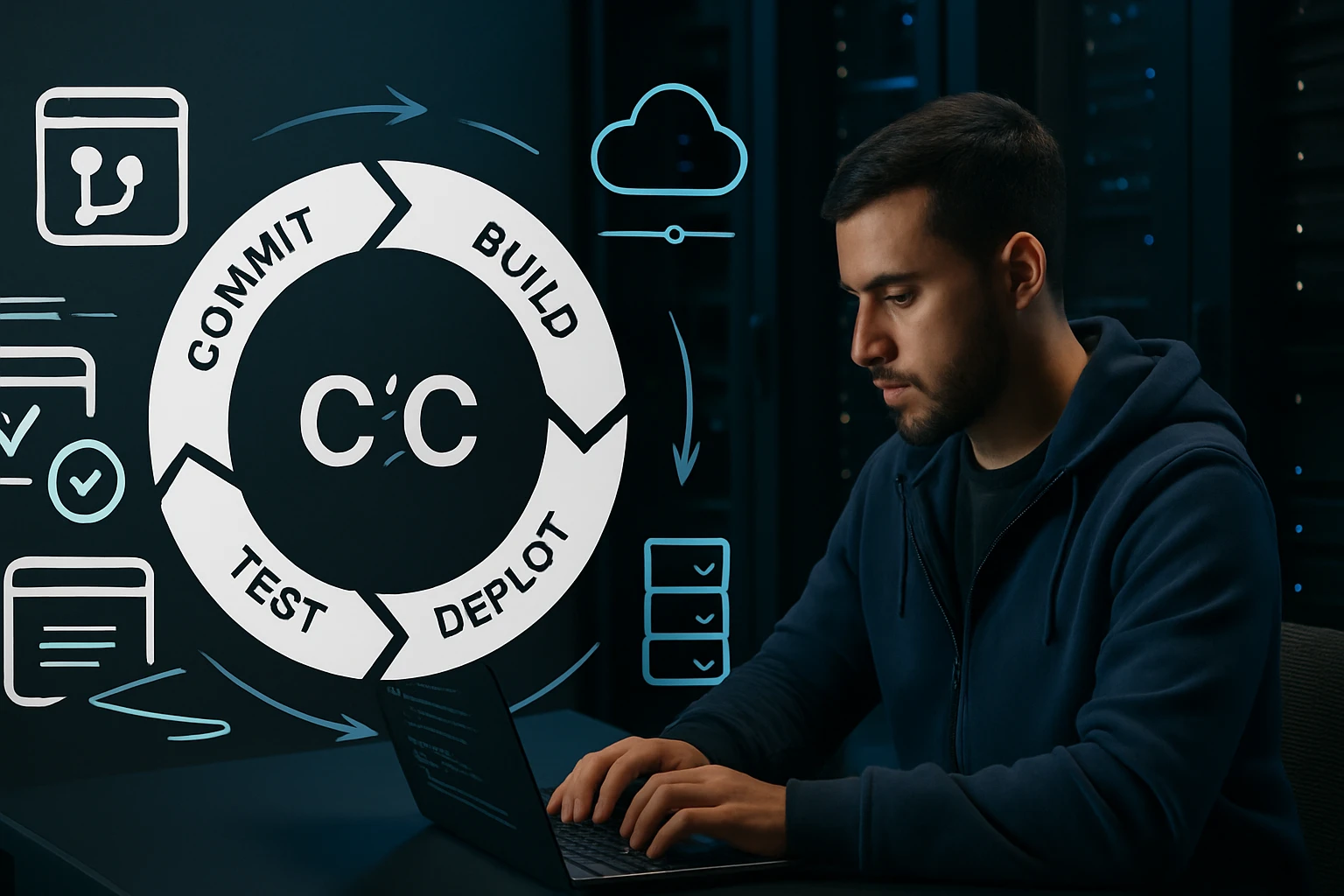
Continuous integration practices help teams identify and resolve integration issues quickly. Regular code integration, automated builds, and test execution provide early warning of potential problems and reduce the risk of complex integration challenges near release dates.
Code review processes support both quality assurance and knowledge sharing within teams. Peer review helps identify potential issues, ensures adherence to coding standards, and spreads knowledge across team members. Review processes should balance thoroughness with development velocity.
Common Implementation Challenges
Organizations frequently encounter predictable challenges when implementing agile practices. Understanding these challenges and developing strategies to address them improves implementation success rates.
Organizational Resistance
Cultural change represents one of the most significant challenges in agile adoption. Organizations accustomed to traditional project management approaches may struggle with the uncertainty and flexibility that agile practices require. Leadership support and clear communication about the benefits and expectations of agile approaches help address cultural resistance.
Role changes can create anxiety and confusion among team members and managers. Traditional project managers, business analysts, and quality assurance professionals may need to adapt their roles and responsibilities within agile teams. Training, coaching, and clear role definitions help individuals navigate these transitions successfully.
"Successful agile transformation requires not just process changes but fundamental shifts in how people think about work, collaboration, and value delivery."
Performance measurement systems often conflict with agile principles. Organizations that measure individual productivity, adherence to original plans, or intermediate deliverables may inadvertently discourage agile behaviors. Performance systems should align with agile values and principles to support desired behaviors and outcomes.
Technical Debt Management
Legacy system integration poses significant challenges for teams attempting to implement agile practices. Existing systems may not support the rapid iteration and deployment cycles that agile approaches require. Teams may need to invest in modernization efforts or develop workarounds that enable agile practices while maintaining system stability.
Technical debt accumulation can undermine agility over time if not managed proactively. Teams should balance feature development with technical improvement work to maintain code quality and system flexibility. Regular refactoring, automated testing, and architectural reviews help prevent technical debt from constraining future development.
Skill gaps may limit teams' ability to implement technical practices that support agility. Automated testing, continuous integration, and modern development tools require specific skills that team members may need to develop. Training, mentoring, and gradual skill building help teams develop necessary capabilities.
Stakeholder Management
Expectation management becomes crucial when stakeholders are accustomed to detailed upfront plans and fixed scope commitments. Agile approaches require stakeholders to accept uncertainty and participate actively in ongoing planning and prioritization decisions. Clear communication about agile principles and regular demonstration of value help build stakeholder confidence.
Communication frequency and methods may need adjustment when implementing agile practices. Stakeholders accustomed to formal reports and scheduled meetings may need to adapt to more frequent, informal communication patterns. Teams should establish communication rhythms that meet stakeholder needs while supporting agile practices.
Decision-making authority must be clarified and potentially redistributed to support agile practices. Teams need timely decisions from stakeholders to maintain development velocity. Organizations may need to adjust approval processes and delegate decision-making authority to support rapid iteration cycles.
Measuring Agile Success
Effective measurement in agile environments focuses on outcomes rather than outputs and emphasizes continuous improvement over compliance with predetermined plans.
Value-Based Metrics
Customer satisfaction metrics provide direct feedback on whether development efforts are delivering expected value. Regular customer surveys, usage analytics, and feedback collection help teams understand how well their software meets customer needs. These metrics should influence prioritization decisions and development focus.
Business value delivery can be measured through various means depending on the software's purpose. Revenue impact, cost savings, user engagement, or other business-specific metrics help stakeholders understand the return on development investment. Teams should work with business stakeholders to identify appropriate value metrics and track them consistently.
Feature adoption rates indicate whether developed functionality provides actual value to users. Low adoption rates may suggest that features don't meet user needs or that additional user experience work is necessary. High adoption rates validate development priorities and inform future feature decisions.
Team Performance Indicators
Velocity measurements help teams understand their capacity and plan future iterations effectively. Velocity should be used for planning purposes rather than performance comparison between teams or individuals. Teams should track velocity trends over time to identify factors that impact their productivity and effectiveness.
Quality metrics include defect rates, test coverage, and customer-reported issues. These metrics help teams understand whether their quality practices are effective and identify areas for improvement. Quality metrics should be balanced with delivery metrics to ensure that speed doesn't compromise long-term sustainability.
Team satisfaction and engagement levels impact both productivity and retention. Regular team health checks, satisfaction surveys, and retrospective feedback help organizations understand team well-being and identify factors that support or hinder team effectiveness.
| Metric Category | Example Metrics | Purpose |
|---|---|---|
| Value Delivery | Customer satisfaction scores, Feature adoption rates, Business value realized | Measure actual impact and value creation |
| Team Performance | Velocity trends, Cycle time, Quality metrics | Track team effectiveness and identify improvement opportunities |
| Process Health | Retrospective action items, Impediment resolution time, Stakeholder engagement | Monitor process effectiveness and organizational support |
Continuous Improvement Tracking
Retrospective outcomes should be tracked to ensure that identified improvements are actually implemented and effective. Teams should monitor whether action items from retrospectives lead to measurable improvements in their processes, tools, or outcomes. This tracking helps teams learn what types of improvements are most effective and ensures that retrospective time is well-spent.
Impediment resolution time indicates how effectively the organization supports agile teams. Long resolution times for common impediments suggest organizational constraints that may limit team effectiveness. Tracking and addressing systemic impediments helps improve overall agile implementation success.
Learning and adaptation metrics might include training completion rates, skill development progress, or implementation of new practices. These metrics help organizations understand whether teams are developing the capabilities necessary for long-term agile success.
Advanced Agile Concepts
As teams mature in their agile practice, they often explore more sophisticated concepts and techniques that build upon the fundamental principles of the manifesto.
Scaling Agile Practices
Multiple team coordination becomes necessary when projects require more people than can effectively work together in a single team. Scaling frameworks provide guidance for coordinating multiple teams while maintaining agile principles. Common approaches include Scrum of Scrums, SAFe (Scaled Agile Framework), and LeSS (Large-Scale Scrum).
Portfolio management in agile environments requires balancing multiple projects and initiatives while maintaining flexibility to respond to changing priorities. Agile portfolio management emphasizes value delivery, strategic alignment, and resource optimization across multiple development efforts.
"Scaling agile successfully requires maintaining the human connections and collaborative spirit that make individual teams effective while adding necessary coordination mechanisms."
Organizational alignment ensures that agile teams' efforts support broader business objectives. This alignment requires clear communication of strategic goals, regular review of priorities, and mechanisms for adjusting team focus based on changing business needs.
Technical Excellence Practices
Test-driven development (TDD) represents a discipline where tests are written before implementation code. This practice helps ensure that code meets specified requirements and supports refactoring by providing rapid feedback on code changes. TDD requires initial investment in learning but typically results in higher code quality and reduced debugging time.
Continuous deployment extends continuous integration by automatically deploying tested code changes to production environments. This practice enables rapid delivery of new features and fixes while requiring robust automated testing and monitoring capabilities. Teams must balance deployment frequency with risk management and system stability.
Refactoring involves improving code structure without changing external behavior. Regular refactoring helps teams maintain code quality and system flexibility as requirements evolve. Effective refactoring requires comprehensive automated testing to ensure that structural changes don't introduce functional defects.
Lean Principles Integration
Waste elimination focuses on identifying and removing activities that don't contribute directly to customer value. Common forms of waste in software development include unnecessary documentation, over-engineering, context switching, and delays in feedback cycles. Teams should regularly examine their processes to identify and eliminate waste.
Value stream mapping helps teams understand the flow of work from initial concept to delivered value. This analysis can reveal bottlenecks, delays, and inefficiencies in development processes. Teams can use value stream maps to identify improvement opportunities and measure the impact of process changes.
Just-in-time decision making delays decisions until the latest responsible moment when more information is available. This approach reduces the risk of making decisions based on incomplete information while maintaining the ability to respond quickly when decisions become necessary.
Real-World Applications
Understanding how agile principles apply in various contexts helps teams adapt the manifesto's guidance to their specific situations and constraints.
Startup Environments
Resource constraints in startup environments often align naturally with agile principles. Limited resources encourage focus on essential features and rapid iteration based on market feedback. Startups can leverage agile practices to validate business assumptions quickly and adjust their products based on real user behavior.
Market uncertainty requires startups to remain flexible and responsive to changing conditions. Agile practices help startups pivot quickly when initial assumptions prove incorrect or when market opportunities shift. Regular customer feedback and iterative development cycles support rapid adaptation.
Speed to market pressures in startup environments benefit from agile approaches that prioritize working software over comprehensive documentation. Startups can deliver minimum viable products quickly and iterate based on market response rather than spending extensive time on upfront planning.
Enterprise Implementations
Regulatory compliance requirements in enterprise environments may seem to conflict with agile principles, but careful implementation can satisfy both needs. Teams can maintain necessary documentation and audit trails while focusing on working software and customer collaboration. Automated compliance checking and integrated quality processes help balance agility with regulatory requirements.
Legacy system integration challenges require enterprises to adapt agile practices to work with existing technology constraints. Teams may need to implement agile practices within traditional system boundaries while gradually modernizing underlying technology. Hybrid approaches can provide benefits while managing technical and organizational constraints.
Stakeholder complexity in enterprise environments requires careful attention to communication and collaboration practices. Multiple stakeholder groups with different priorities and perspectives need coordination and alignment. Regular stakeholder engagement and clear communication help manage complexity while maintaining agile responsiveness.
| Implementation Context | Key Challenges | Agile Adaptations |
|---|---|---|
| Startup | Resource constraints, Market uncertainty, Speed pressures | Lean MVP approach, Rapid iteration, Customer validation focus |
| Enterprise | Regulatory compliance, Legacy systems, Stakeholder complexity | Hybrid methodologies, Gradual transformation, Structured communication |
| Distributed Teams | Communication barriers, Time zone differences, Cultural variations | Enhanced collaboration tools, Structured communication, Cultural awareness |
Distributed Team Scenarios
Communication challenges in distributed teams require intentional practices to maintain the collaboration that agile principles emphasize. Teams should establish regular communication rhythms, use video conferencing when possible, and create shared understanding through documentation and visual collaboration tools.
Time zone coordination becomes crucial for distributed teams attempting to maintain daily interaction and collaboration. Teams may need to adjust meeting schedules, establish overlap hours, or implement asynchronous communication practices that support coordination without requiring simultaneous presence.
Cultural differences within distributed teams can impact communication styles, decision-making approaches, and conflict resolution. Teams should invest time in understanding cultural differences and developing practices that leverage diversity while maintaining effective collaboration.
Future Evolution of Agile Practices
The software development landscape continues to evolve, and agile practices must adapt to remain relevant and effective in changing environments.
Emerging Technologies Impact
Artificial intelligence and machine learning development present unique challenges for traditional agile practices. These technologies often require extensive experimentation, data preparation, and model training that may not fit neatly into standard iteration cycles. Teams working with AI/ML may need to adapt their practices to accommodate longer research cycles and uncertain outcomes.
Cloud-native development and microservices architectures enable new approaches to agile development. These technologies support independent team development, rapid deployment, and system scalability that align well with agile principles. Teams can leverage cloud technologies to reduce infrastructure constraints and focus more attention on delivering customer value.
"The future of agile lies not in rigid adherence to specific practices but in maintaining the underlying principles while adapting to new technologies and changing business environments."
DevOps integration represents a natural evolution of agile practices that extends collaboration beyond development teams to include operations and infrastructure management. This integration supports the agile principle of delivering working software frequently by reducing deployment friction and improving system reliability.
Organizational Evolution
Remote work normalization accelerated by recent global events has implications for agile practices that traditionally emphasized co-location. Teams are developing new approaches to maintain collaboration and communication in distributed environments while preserving the human connections that agile values emphasize.
Continuous learning cultures are becoming increasingly important as technology and business environments change rapidly. Organizations that successfully implement agile practices often develop strong learning cultures that support adaptation and improvement. These cultures encourage experimentation, learning from failures, and sharing knowledge across teams.
Value-driven organizations are evolving beyond traditional profit maximization to consider broader stakeholder impacts including environmental sustainability, social responsibility, and long-term value creation. Agile practices can support these broader value definitions by maintaining focus on stakeholder collaboration and responsive adaptation to changing expectations.
What is the main difference between Agile and Waterfall methodologies?
The primary difference lies in approach to change and feedback. Waterfall follows a sequential, linear process where each phase must be completed before the next begins, making it difficult to accommodate changes once development starts. Agile embraces iterative development with regular feedback cycles, allowing teams to adapt to changing requirements and deliver value incrementally throughout the project.
How do you measure success in Agile projects?
Agile success is measured primarily through working software delivery and customer satisfaction rather than adherence to original plans. Key metrics include customer feedback scores, feature adoption rates, team velocity trends, and business value delivered. Teams should focus on outcomes that matter to users and stakeholders rather than traditional project metrics like lines of code or documents produced.
Can Agile work in regulated industries?
Yes, Agile can work effectively in regulated industries with proper adaptation. Teams can maintain necessary documentation and compliance requirements while following agile principles. The key is integrating compliance activities into development cycles rather than treating them as separate phases. Automated testing, continuous integration, and regular audits help maintain both agility and regulatory compliance.
What makes a good Agile team member?
Effective Agile team members combine technical skills with strong collaboration and communication abilities. They should be comfortable with uncertainty, willing to learn continuously, and committed to team success over individual recognition. Key characteristics include adaptability, customer focus, willingness to give and receive feedback, and ability to work effectively in cross-functional environments.
How long should Agile iterations be?
Most Agile teams use iterations (sprints) of 1-4 weeks, with 2-3 weeks being most common. The optimal length depends on factors like team experience, project complexity, and stakeholder feedback needs. Shorter iterations provide more frequent feedback but may create overhead, while longer iterations allow for more substantial feature development but reduce adaptation opportunities. Teams should experiment to find their optimal rhythm.
What is the role of documentation in Agile?
Agile values working software over comprehensive documentation, but this doesn't eliminate documentation entirely. Teams should create documentation that supports understanding, maintenance, and knowledge transfer while avoiding excessive upfront documentation that may become obsolete. Focus on just-enough documentation that serves the software and team needs, such as user stories, architectural decisions, and API documentation.